Roof pitch affects everything from snow shedding to attic space. Our calculator translates rise-and-run measurements into the pitch ratio your builder needs.
Why Roof Pitch Matters More Than You Think
Roof pitch — how steeply your roof rises over each foot of horizontal run — affects everything from how snow sheds to how much attic space you get to how your house looks from the road. It's one of the first numbers a builder reaches for, and one of the last things many homeowners think about.
Our roof-pitch calculator turns your rise and run measurements into the pitch ratio (and the angle) your contractor needs.
Reading the Numbers
Pitch is usually written as a rise over run — 6/12 means the roof rises six inches for every twelve inches it runs horizontally. A low slope like 4/12 sheds water fine and is walkable; a steep 12/12 is dramatic and shed snow fast but is harder and more dangerous to work on.
Here in the higher elevations, where ice and snow are real, steeper pitches earn their keep. The calculator lets you take a rise and run and see exactly what ratio and angle you're dealing with.
- Pitch ratio = rise ÷ run (e.g., 8/12).
- Angle = the arctangent of (rise ÷ run), in degrees.
- Steeper pitches shed snow and water faster but add material and labor cost.
Pitch and Your Build Budget
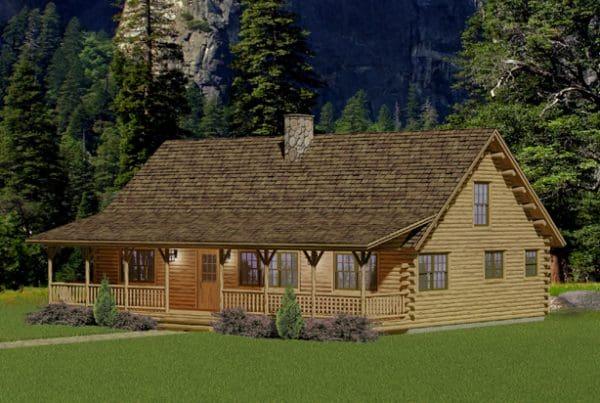
A steeper roof costs more — more framing, more decking, more shingle or metal. But on a log home, visible rooflines are part of the charm, and a too-flat roof can look truncated on a grand cabin. It's a balance between look, climate, and budget.
If you're planning a cabin in the mountains where snow loads are serious, don't fight the code — build the steep pitch the climate wants and enjoy the lower roof-maintenance burden it brings.
Measure Before You Build
Whether you're designing new or checking an existing structure, accurate rise and run measurements keep every downstream decision honest. A small error in the field becomes a big error in rafter length.
Run the numbers with the calculator, then let a framer double-check a couple of key spans. Roofs are unforgiving of guesswork.
Big Twig Homes Team
The Big Twig Homes team prepares practical planning information for cedar log, hybrid, EPS SIP home, and EPS building material packages. Product and technical references are identified where applicable; your current quote and project professionals control the scope for your project.
Read our editorial standards