
Where you place your windows and how you face your home can slash heating costs dramatically. Learn how passive solar orientation works and why it matters in the mountains.
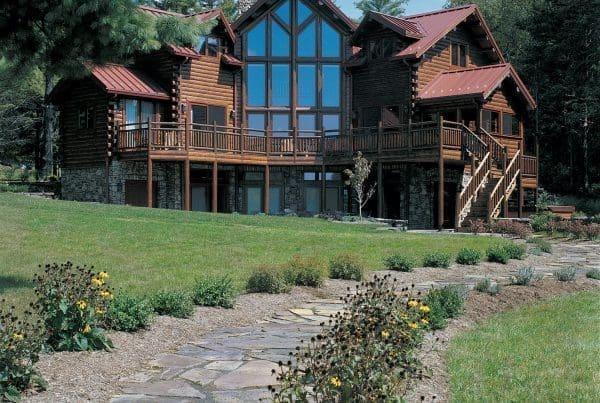
The Most Overlooked Energy Decision: Which Way You Face
You can spend a fortune on windows, insulation, and a high-end furnace, and a house that faces the wrong direction will still fight you every season. Orientation — which way your home faces and where its windows point — is the cheapest energy upgrade there is, because you decide it for free on paper before a single foundation is poured.
Passive solar design boils down to working with the sun instead of against it. In the Northern Hemisphere, that means capturing low winter sun through south-facing glass and shading the brutal summer sun so it never gets in.
The Basic Rules of the Sun
The sun rises in the east and sets in the west, and its height in the sky changes dramatically between midwinter and midsummer. In summer it runs high, blasting down onto south walls. In winter it runs low, reaching under eaves and deep into south-facing rooms. A house designed around that rhythm uses the same sun that would otherwise bake it.
The practical translation: put your living spaces and the bulk of your glass on the south, keep big glazing off the hot west side, and size your roof overhangs so the summer sun is blocked while the winter sun gets in.
- South-facing glass captures winter warmth and daylight.
- Shade west-facing windows — that's your worst overheating hour.
- Roof overhangs block high summer sun but admit low winter sun.
- Thermal mass (like a log wall or a concrete floor) stores the day's heat for the night.
Why This Matters in the Mountains
Here in the Blue Ridge, the weather is swingy and the nights get cold well into spring. A well-oriented home with decent thermal mass — and cedar walls are exactly that — can hold onto the day's solar gain long after the sun drops behind the ridge.
It's also a comfort question. A morning kitchen that catches the rising sun, or a great room that soaks up afternoon light in February, just feels better to live in. You can't put a number on that in the same way, but it's real.
Orientation Is a Planning Conversation
The catch is that you have to decide orientation early, usually before you commit to a lot or flip a floor plan to mirror. A builder who knows solar design will ask about your lot's views, your slope, and where north actually sits — not where it feels like it should sit.
That's a conversation worth having before the excavator shows up. Rotating a plan on paper costs nothing. Rotating a house on a slab is a whole different story.
The Bottom Line
Passive solar isn't a gimmick and it isn't exotic. It's good, commonsense design that pays in lower bills and a more comfortable home from the day you move in. When you're planning your build, make orientation a first-class decision — your future self, bundled up in January, will thank you.
Big Twig Homes Team
The Big Twig Homes team prepares practical planning information for cedar log, hybrid, EPS SIP home, and EPS building material packages. Product and technical references are identified where applicable; your current quote and project professionals control the scope for your project.
Read our editorial standards