
A new log home isn't just a building -- it's a lifestyle shift. We explore how log home living changes daily routines, social dynamics, and your relationship with the outdoors.
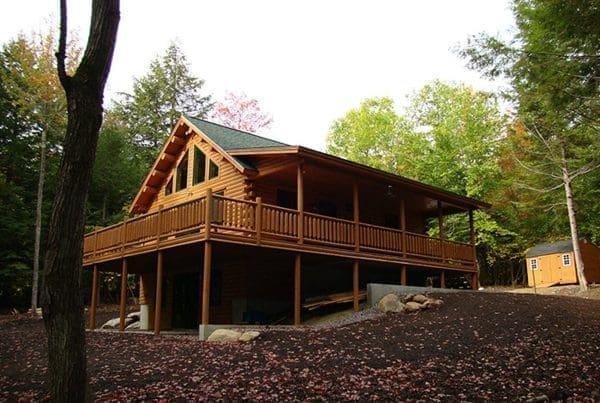
It's More Than a House
A log home is both a building system and a set of living spaces. Think about how the layout, views, outdoor connections, maintenance, and daily routines fit your needs before choosing a design.
The useful questions are practical: which rooms will you use most, how will visitors move through the home, and what maintenance can you comfortably plan for?
Morning, Afternoon, and the Rhythm of the House
Think about where you spend your evenings right now. In a typical drywall house, the television gets the best seat in the room, and the windows are an afterthought. In a log home, the architecture draws your eye outdoors. The big windows, the tall ceilings, the warm cedar—they all pull you toward the porch, toward the woods, toward the view you paid for.
It's a subtle thing, but it changes evenings. Instead of ending the day in a box with the blinds down, you end it on a covered porch in Flat Rock watching the light come through the trees. Small change. Huge difference in how a week feels.
Mornings shift too. Because a good log home is designed around the sun's path, you wake up to light in the rooms you actually use first. The kitchen is bright before you've even made coffee. That's not an accident—it's deliberate design, and it does more for your mood than any amount of interior decorating.
How It Changes Your Social Life
Log homes do something interesting to entertaining. People cluster in kitchens and around fireplaces in any house, but the layout of a good log home encourages it. Everything flows—the kitchen into the great room, the great room onto the deck. Nothing feels closed off. The result is that friends linger longer, and weekend get-togethers turn into overnight company in a way they never do in a more conventional footprint.
Many of our clients, especially those building in areas like Hendersonville, Brevard, or Lake Lure, tell us the house pays for itself in visits. Kids who came home for a weekend start bringing friends. Grandkids ask to come back. It sounds sentimental, but it's the single most common thing we hear in the first year of ownership.
There's a practical side to this too. A log home with a guest suite or a bunk room quietly becomes the gathering house in the family, and over the years that means holidays, reunions, and milestones land on your porch instead of somewhere else. People start to think of your place as the family home place, and most owners tell us that's exactly what they wanted when they built.
A Different Relationship With the Outdoors
Here's what I notice after paying attention to it for twenty years: people who live in log homes spend more time outside. Not because they make a resolution about it, but because the house is always oriented toward the outdoors. There's a porch where you'd want one, a fire pit you can actually use, and windows that make the inside feel connected to the yard even when it's raining.
In a climate like ours, that matters. Summers in the Carolinas lean hot and humid, so a covered porch on the north side of the house becomes the natural gathering spot. You use it for months you wouldn't have bothered with before. That's the lifestyle shift I'm talking about—it's real, and it's built into the design.
The connection to nature changes everyday habits as well. Owners tell us they notice the seasons more—the first dogwood bloom, the peak of fall color, the morning frost on the deck. When your house frames the outdoors the way a log home does, you pay attention to it in a way that a subdivision house on a zero lot line never invites.
Comfort That's About Temperature, Too
Let's get practical for a minute, because 'comfort' has a technical side that a lot of people overlook when they think about log homes. Log walls hold thermal mass. That means they absorb heat through the day and release it slowly at night. In the shoulder seasons of spring and fall, a well-designed log home keeps a remarkably steady temperature without the furnace kicking on every ten minutes.
A comfortable log home depends on the complete design: log joints, insulation, roof and floor assemblies, windows, air sealing, and ventilation. Confirm the actual roof system in the material-package quote rather than assuming every log package uses a SIP roof.
Sound is part of comfort too. Log walls are dense and they absorb a lot of sound that bounces around inside a drywall box. Owners consistently mention how quiet their log homes are—how a conversation in the great room doesn't carry through the house, and how the place feels like it wraps around you rather than echoing at you.
The Tradeoffs You Should Hear
I'd be doing you a disservice if I made log living sound perfect, because it's not for everyone. Wood is a living material, and it responds to its environment. It expands and contracts with humidity. It needs maintenance—re-staining every few years, checking chinking and caulking, keeping an eye on the flashing. If you hate the idea of any upkeep, a log home might genuinely not be for you.
There's also the matter of resale. In the right market, a quality log home sells fast because there will always be people who want exactly that lifestyle. But the market for them is narrower than the market for a standard house, so pricing a log home for sale takes a bit more care. Neither of these should scare you off—they're just the honest tradeoffs that come with owning something distinctive.
And let's talk about the weather for a moment, because mountain living has its own demands. Snow, ice, and the freeze-thaw cycles of a Blue Ridge winter are hard on any house, and they ask more of a log home's maintenance than they do of a standard build. That's a factor worth planning for from the start, not discovering in your first February.
There's a seasonal rhythm to log home living in the mountains that's genuinely hard to put a price on. Fall arrives and the house frames the color like a painting. Winter turns it into a cocoon around the fireplace. Spring pours light through windows that suddenly feel twice as big. People who move here from the flatlands notice it first thing—the house isn't just shelter, it's a front-row seat to the seasons, and that's something you can't see from a listing photo.
Making the Lifestyle Choice Deliberately
If you're weighing whether log home living is right for you, the smartest thing you can do is slow down and spend time inside actual log homes. Not just tour one—stay in one for a weekend. Pay attention to the acoustics, the temperature shifts through the day, how you feel in the evenings. That kind of lived experience will tell you more than any article, including this one.
When you find a floor plan that feels like it fits how you live, and a piece of mountain land that you never want to leave, that's when you stop deciding and start planning. We'd love to be the folks who help you build it here in western North Carolina—and throughout the Carolinas, Tennessee, and Georgia.
Big Twig Homes Team
The Big Twig Homes team prepares practical planning information for cedar log, hybrid, EPS SIP home, and EPS building material packages. Product and technical references are identified where applicable; your current quote and project professionals control the scope for your project.
Read our editorial standards