

SIP Panels: The Future of Sustainable Home Construction
**Sustainable building practices are reshaping the construction industry. Structural insulated panels are at the forefront of this transformation, offering superior energy efficiency and reduced environmental impact. This article will explore how SIP panels contribute to eco-friendly homes, assess their energy performance, and compare them with traditional building materials. Whether planning a new build or looking to upgrade, understanding building insulation can help you make informed decisions for a greener future.
Understanding SIP Panels and Their Role in Eco-Friendly Homes
Structural Insulated Panels (SIP) are innovative building materials that provide excellent insulation and structural integrity. Composed of rigid foam cores and sturdy facings, SIP construction enhances energy efficiency for eco-friendly homes. Homebuyers benefit from lower construction fees and potential building insulation incentives. Additionally, programs like Florida Housing Finance offer financial support, making SIP panels a financially viable choice.
Define SIP Panels: What Are Structural Insulated Panels?
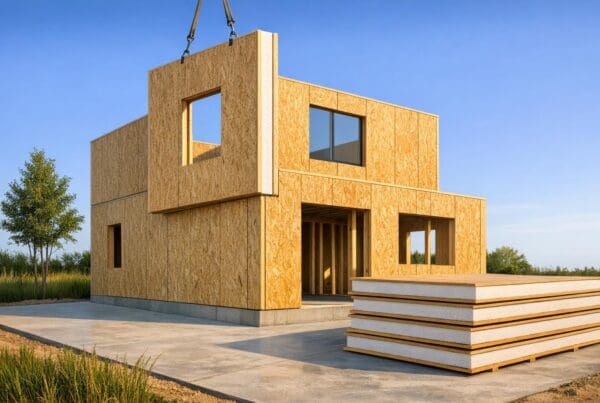
Structural Insulated Panels (SIPs) consist of a core of rigid foam insulation sandwiched between two structural facings, typically made of oriented strand board (OSB). This design offers superior insulation properties and enhances a building’s overall strength, making SIP panels a key component in sustainable construction practices.
SIP panels can significantly reduce construction budgets by minimizing material waste and lowering energy costs. Using SIP panels for construction can positively impact mortgage rates and interest for homeowners. Their durability and efficiency make SIP panels an excellent choice for affordable housing, workforce housing projects, and disaster recovery efforts, ensuring homes remain resilient and cost-effective.
As someone deeply immersed in the construction and housing industry, I’ve seen firsthand how adopting Structural Insulated Panels (SIP panels) can revolutionize how we think about building design and budgeting. One of the most significant advantages of using SIP panels is their ability to reduce material waste dramatically. Traditional building methods often lead to excess material being discarded, but with SIP panels, not only is construction streamlined, but we also maximize the use of resources. This waste reduction directly translates to lower construction costs. Additionally, SIP panels are designed to offer superior energy efficiency, which means homeowners can enjoy reduced energy bills. These savings can positively impact mortgage rates and interest affordability, making the dream of homeownership more accessible.
The durability and efficiency of SIP panels make them an exceptional option for affordable housing projects and disaster recovery efforts. Given their strong insulating properties, these panels help maintain comfortable indoor temperatures, reducing reliance on heating and cooling systems. This resilience is beneficial during normal circumstances and proves invaluable when quick recovery is necessary in times of crisis. By using structural insulated panel polystyrene building insulation
We can construct cost-effective homes that can withstand extreme weather conditions. In a world where affordable housing is becoming increasingly vital, embracing innovative building solutions supports our communities and paves the way for sustainable building insulation.
Explore the Key Materials Used in SIP Construction
SIP panels utilize high-performance insulation materials such as expanded polystyrene (EPS), extruded polystyrene (XPS) foam, and Neopor foam combined with structural facings like oriented strand board (OSB). These materials are selected for their durability and thermal efficiency, ensuring that buildings maintain consistent temperatures and reduce energy usage. Homebuilders can access detailed information on material specifications through various construction resources and official websites, aiding in informed decision-making for sustainable projects.
Using quality materials in SIP construction contributes energy savings and aligns with available financial incentives. Programs like the community development block grant provide financial assistance to projects that incorporate eco-friendly materials, potentially increasing homeowners’ income by lowering utility expenses. By leveraging these grants, builders and homeowners can make cost-effective choices supporting economic and environmental goals. Structural insulated panel
Examine the Benefits of Choosing SIP Panels Over Traditional Methods
Choosing SIP panels streamlines the construction process by reducing build times and minimizing material waste, ultimately lowering payment and enhancing cost-effectiveness for homeowners. The superior insulation SIPs provide decreases energy usage, lowers utility bills, and increases building insulation to sustainable living solutions.
Due to the panels’ uniform structure, SIP construction simplifies the installation process by allowing for easier integration of plumbing and electrical systems. Detailed structural specifications and installation guides are often available in PDF format, ensuring builders have accessible and comprehensive resources to support efficient structural insulated panel practices.
Assessing the Energy Efficiency of SIP Panels in Construction
Assessing SIP panels’ energy efficiency involves reviewing their energy savings potential and measuring thermal performance. These aspects help lower energy costs, enhance property value, and support housing finance and insurance options. Additionally, SIPs improve emergency resilience and are ideal for mobile homes, offering substantial benefits for sustainable building insulation.
Review Energy Savings Potential With SIP Panel Installation
Installing SIP panels can significantly reduce energy consumption, translating to lower monthly utility bills. These savings make homeownership more affordable, potentially lowering the required building envelope and easing financial burdens for homeowners.
The enhanced energy efficiency provided by SIP panels increases the overall value of property developments. By decreasing ongoing energy costs, homeowners can better manage their finances, reducing the risk of building insulation in challenging economic times.
Measure Thermal Performance: How SIPs Reduce Energy Costs
SIP panels significantly enhance a home’s thermal performance through high insulation values, maintaining consistent indoor temperatures throughout the year. By minimizing heat transfer, these panels reduce reliance on heating and cooling systems, leading to substantial decreases in energy bills for homeowners—building insulation.
The superior material composition of
SIP Panels Ensure that thermal bridges are minimized, preventing unwanted heat loss and improving overall energy efficiency. This effective thermal management lowers monthly utility expenses and contributes to a more comfortable and sustainable living.
Evaluating the Environmental Impact of SIP Panel Usage
SIP panels are essential for sustainable home construction. They offer enhanced energy efficiency and reduce material waste. By minimizing emissions during production and maintaining optimal thermal performance, they contribute to lowering buildings’ carbon footprints. This section will analyze the sustainability benefits of structural insulated panels and explore their role in reducing carbon emissions.
Analyze Sustainability Benefits of SIP Panels in Building
SIP panels contribute significantly to sustainable building practices by reducing the overall environmental footprint of construction projects. Their high insulation properties minimize the need for additional heating and cooling, leading to lower energy consumption and decreased greenhouse gas emissions. This efficient energy use supports environmental goals and aligns with regulatory standards for sustainable structural insulated panels.
The manufacturing process of SIP panels is designed to optimize material usage, resulting in less waste compared to traditional building methods. Additionally, many SIP panels are produced using recycled materials, enhancing their eco-friendly profile. By choosing SIP panels, builders and homeowners can support resource conservation and promote long-term environmental sustainability in their structural insulated panel endeavors.
Investigate How SIPs Help in Reducing Carbon Footprint
SIP panels significantly minimize the carbon footprint of construction projects by incorporating sustainable materials and efficient manufacturing processes. Using recycled components in SIPs reduces the demand for new raw materials, lowering overall greenhouse gas emissions associated with production.
The high insulation efficiency of SIP panels decreases the energy required for heating and cooling homes, leading to reduced energy consumption and lower carbon emissions over the building’s lifecycle. This energy-saving capability supports environmentally responsible living and contributes to long-term sustainability. Additionally, the high insulation efficiency of
the energy required for heating and cooling homes leads to reduced energy consumption and lower carbon emissions over the building’s
Adopting SIP Panels: Costs and Financial Considerations
Adopting SIP panels requires examining initial structural insulated panel costs and evaluating long-term energy savings. This section breaks down the expenses of SIP panel installation and outlines how energy-efficient designs can yield substantial financial benefits for homeowners over time.
Break Down the Initial Costs of SIP Panel Construction
Due to the advanced materials and specialized manufacturing processes, SIP panel construction can have higher initial costs than traditional building methods. However, these upfront expenses are balanced by reduced labor costs and shorter structural insulated panel timelines, as SIP panels are prefabricated and require less on-site assembly. This efficiency accelerates project completion and minimizes labor-related expenditures, making SIP panels a cost-effective choice in the long run.
Investors and homeowners might find the initial investment in SIP panels offset by available financial incentives and rebates for energy-efficient building practices. Additionally, the superior insulation properties of SIP panels lead to significant energy savings over time, lowering utility bills and enhancing the overall return on investment. By taking advantage of these financial benefits, the higher initial costs of SIP panel structural insulated panels become a viable and attractive option for sustainable home building.
Calculate Long-Term Savings From Energy Efficiency
Over time, the high insulation properties of SIP panels lead to considerable reductions in energy consumption, translating to lower utility bills for homeowners. SIPs can help lower homeowners’ utility bills. Increasing the structural insulated panel‘s value makes it a wise financial investment.
the consistent thermal performance of
Structural insulated panels minimize the need for frequent maintenance and repairs related to energy systems, further contributing to long-term cost savings. Homeowners benefit from a more stable and predictable energy expenditure, ensuring financial stability and promoting a sustainable building envelope.
Comparing SIP Panels With Other Building Materials
Comparing SIP panels with traditional wood and steel frameworks highlights significant differences in sustainability and performance. SIP panels offer superior insulation and structural strength, enhancing durability compared to conventional materials. This section explores how SIP panels outperform wood and steel in resilience and longevity, providing practical insights into their advantages for sustainable home structural insulated panels.
Contrast SIP Panels With Traditional Wood and Steel Framework
In contrast to traditional wood frameworks, SIP panels incorporate built-in insulation, which significantly boosts energy efficiency and minimizes the need for extra** building insulation** materials. This seamless integration results in fewer thermal bridges, ensuring more stable indoor temperatures and reducing energy consumption in sustainable homes.
Unlike steel frameworks, SIP panels offer a lightweight yet robust structural solution that simplifies construction and enhances durability. This combination accelerates building timelines and provides greater resilience against environmental stresses, making SIP panels more practical for eco-friendly home-building insulation.
Study the Durability of SIP Panels Versus Alternative Materials
SIP panels demonstrate exceptional durability through their integrated design, which combines rigid foam insulation with robust structural facings. This structural insulated panel method enhances resistance to moisture, pests, and extreme weather conditions, ensuring long-lasting performance for sustainable homes.
Compared to traditional materials like wood and steel, SIP panels require less maintenance and are less prone to warping or corrosion. This resilience extends the lifespan of the building and reduces repair costs, making SIP panels a more reliable choice for eco-friendly-oriented strand board projects.
Future Trends in SIP Panel Technology and Innovations
Recent advances in Structural Insulated Panel (SIP) manufacturing techniques are enhancing their efficiency and sustainability. Alongside these developments, emerging trends in sustainable home-building practices are shaping the future of the eco-friendly building envelope. This section explores the latest innovations in SIP technology and anticipates how these trends will influence sustainable home building.
Identify Recent Advances in SIP Manufacturing Techniques
Recent developments in SIP manufacturing techniques include adopting advanced automation technologies, which streamline production processes and enhance precision. By integrating structural insulated panel machinery, manufacturers can produce panels with tighter tolerances, improving structural integrity and building envelope efficiency.
Another significant advancement is the use of eco-friendly materials in SIP construction. Innovative insulation options, such as bio-based foams and recycled facings, reduce the environmental impact of panel production while maintaining high-performance standards, aligning with the goals of sustainable home construction.
Anticipate Emerging Trends in Sustainable Home Building Practices
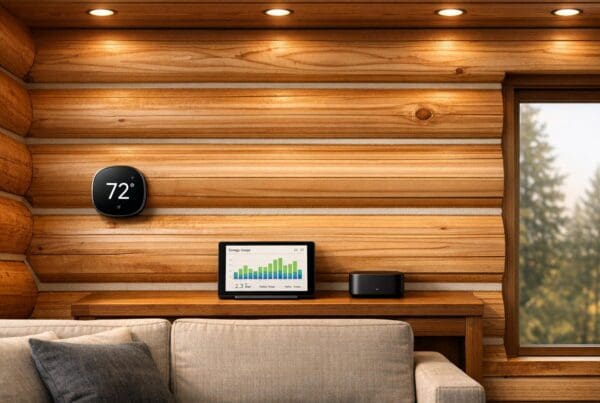
Emerging trends in sustainable home building increasingly incorporate SIP panels to enhance energy efficiency and reduce environmental impact. Innovations such as integrating smart home technologies with SIP framing allow for better energy management and automation, giving homeowners more control over their energy usage. Oriented strand board or OSB, including recycled and bio-based components, also makes SIP panels even more eco-friendly, aligning with the growing demand for sustainable building practices.
Another noteworthy trend is the customization of SIP panels to accommodate diverse architectural designs and local climate conditions. This flexibility enables builders to create homes that are not only sustainable but also tailored to specific environmental challenges, such as extreme temperatures or high humidity. By adopting SIP technology to meet these unique requirements, the building insulation industry can offer more resilient and energy-efficient homes, meeting the evolving needs of environmentally conscious homeowners.
Conclusion: Embracing SIP Panels for Sustainable Home Innovation
SIP panels transform sustainable home construction by providing superior insulation and robust structural support. Their use of high-performance materials significantly reduces energy consumption and lowers construction costs, making eco-friendly homes more accessible. Homeowners benefit from long-term savings and enhanced property value, while builders gain efficiency and resilience. Embracing SIP technology paves the way for environmentally responsible and economically viable structural insulated panel solutions.
For more information about SIP panel construction
Contact Big Twig Homes LLC. We’ve been in the SIP industry Since 1998. Providing sales and technical assistance to General Contractors and Developers. BOOK A PHONE CALL OR VIDEO MEETING
Building the Future: Why Structural Insulated Panels (SIPs) Are Revolutionizing Commercial Construction