
Cedar lasts longer because it stays drier and fights off decay from the inside. If you own a log home, that means cedar heartwood can help slow rot, limit deep cracking, and cut down on major repair risk.
Here’s the short version:
- Rot needs moisture, fungi, and oxygen
- Cedar heartwood has natural extractives that help slow decay
- Cedar takes in less water than many softwoods and dries fast
- Shallow checks give water fewer paths into the log
- Good design still matters: keep logs off soil, move water away, and let walls dry
- Maintenance still matters: stain, inspect, seal joints, and watch lower log courses
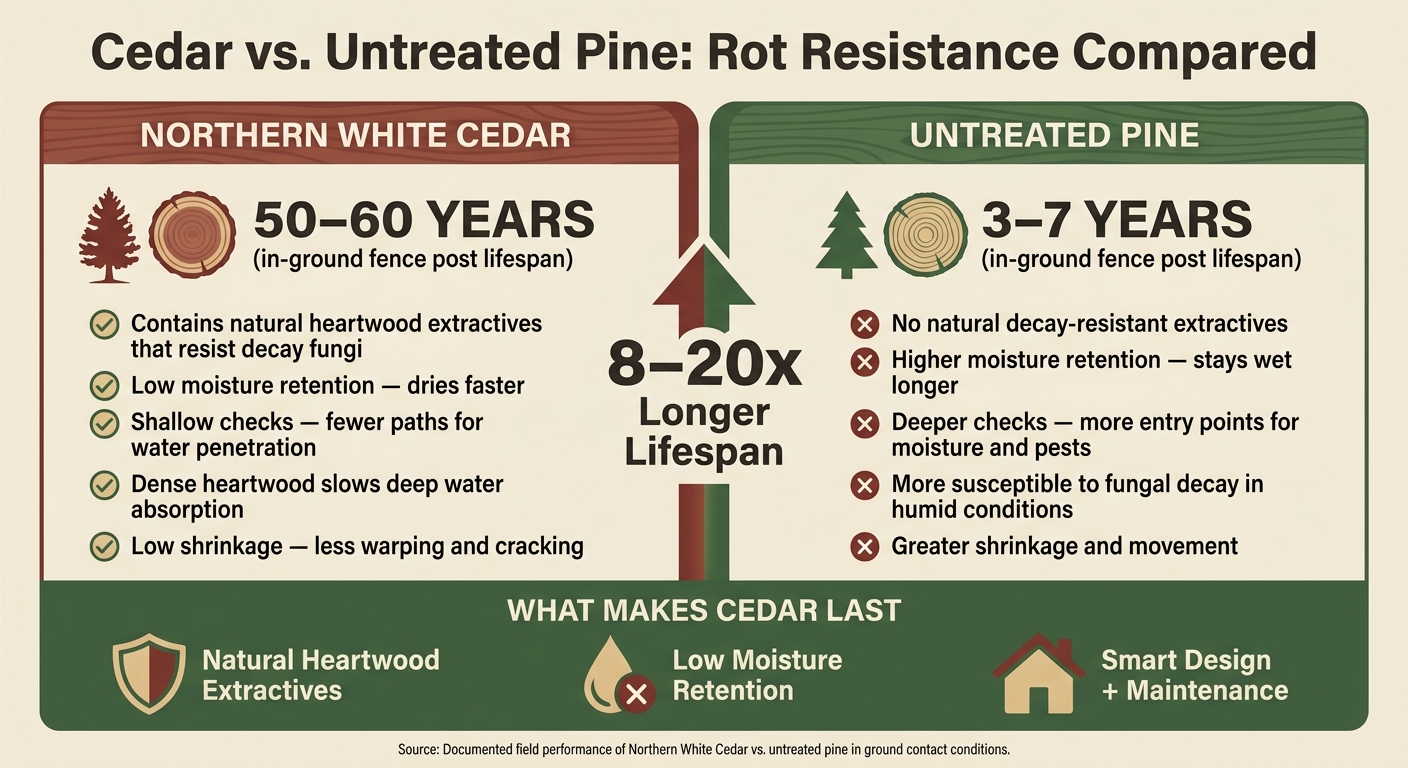
One number stands out: untreated Northern White Cedar fence posts can last 50 to 60 years in ground contact, while untreated pine may last only 3 to 7 years in the same setting. That doesn’t mean cedar is rot-proof. It means cedar starts with more protection.
If I had to sum it up in one line, it would be this: <u>cedar resists rot best when natural heartwood protection, smart building details, and steady care all work together.</u> See these principles in action throughout our cedar log home gallery.
What Causes Rot and Decay in Log Structures
How fungi, moisture, and oxygen break down wood
Rot is a biological process, not just wood getting old.
When fungal spores land on damp wood, they start to grow and feed on the wood fibers. For that to happen, they also need oxygen. That’s why wood that stays wet and exposed to air can decay fast. Cracks, splits, and deep checks in logs make the problem worse because they hold moisture and give decay-causing organisms a path into the inner part of the wood [3][2].
Poor ventilation adds to the issue. So does direct contact with wet soil. If moisture sticks around, rot gets a much better chance to spread [2].
Where log homes are most at risk
Log homes are most at risk anywhere moisture hangs around.
The most common trouble spots include:
- Base courses
- Shaded sides of the home
- Areas with poor drainage
- Spots with limited airflow
- Deep checks and other openings that trap standing water
These areas stay damp longer, which gives decay more time to move deeper into the log [3][2].
Why ignoring decay gets costly
Once rot starts, it rarely stays a surface-level problem.
Wet wood loses strength. It can also draw wood-destroying insects like ants and beetles. What starts as a small soft spot can grow into a much bigger structural issue over time.
There’s another part many people miss. Sun and rain wash protective extractives out of exposed logs, which makes decay more likely. After weather wears down the surface, logs have less natural defense. Those are the conditions cedar’s heartwood is built to resist. You can see examples of this durability in our solid cedar gallery.
sbb-itb-1086e16
Why Western Redcedars are so Rot Resistant
Why Cedar Logs Resist Rot and Decay
Cedar vs. Pine: Rot Resistance & Longevity Compared
Natural oils and extractives in cedar heartwood
Cedar heartwood contains natural extractives that help it resist decay. These compounds slow down decay fungi and insects, and they also help lower moisture content in the wood. That matters because fungi need wet wood to get established. Cedar makes that job much harder.
Just as important, those extractives help the heartwood stay drier. And drier wood is less inviting to rot in the first place.
Low moisture retention and stable wood movement
Cedar holds less water than many softwoods, so it dries faster and tends to move less as it seasons. It can air-dry to a stable moisture level without the internal damage that fast drying can cause [3][4]. In plain terms, the log stays more settled as it dries, with less warping, twisting, and cracking.
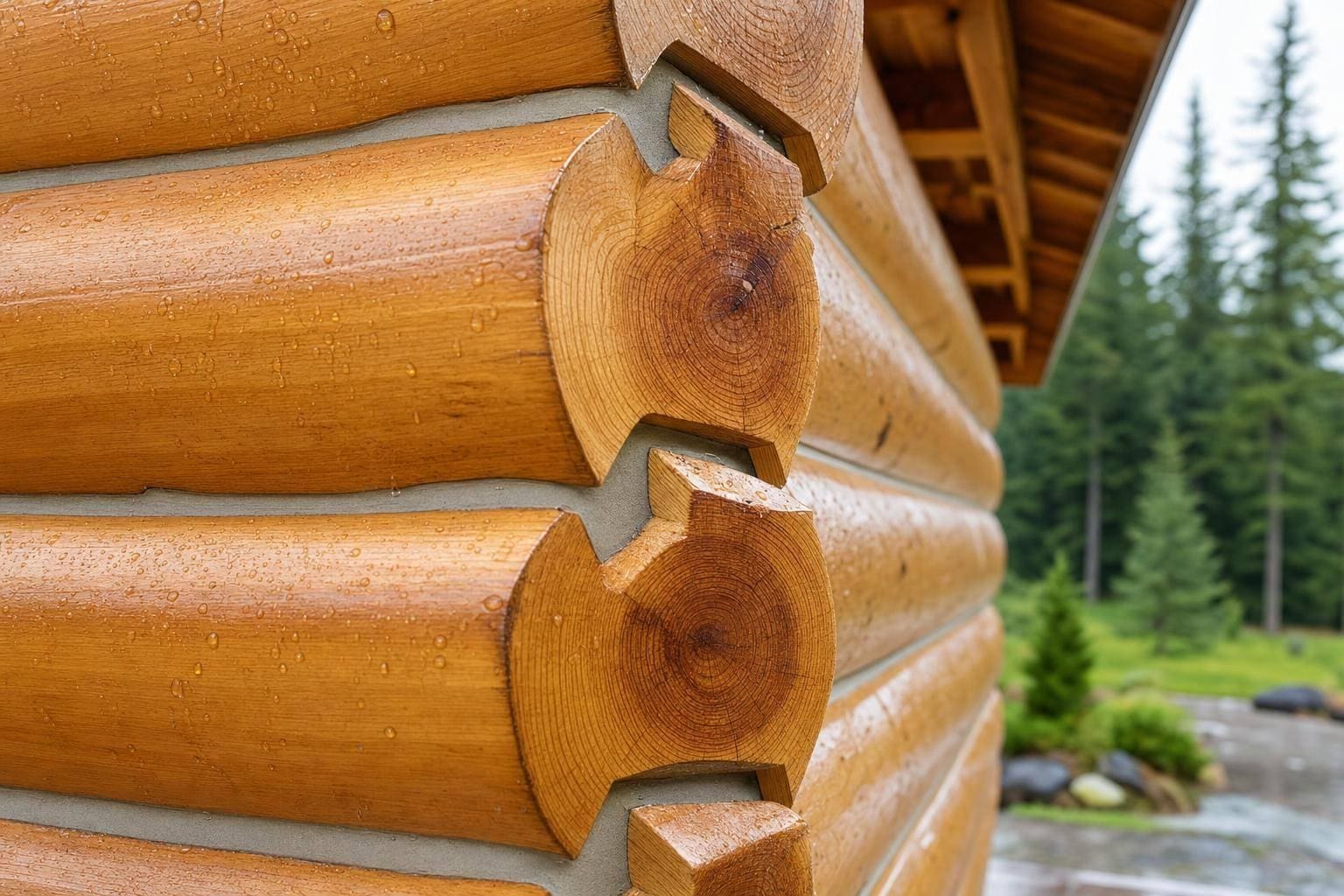
When cedar does develop checks, they are usually shallow and typically do not penetrate through the heartwood [3][4]. That gives moisture and pests fewer easy paths into the core of the log.
Cedar rot-resistance traits compared to untreated softwood
The gap between cedar and untreated pine is easy to see in exposed conditions. Untreated Northern White Cedar fence posts have been documented to remain serviceable for 50 to 60 years in ground contact, while untreated pine in the same conditions typically lasts only 3 to 7 years [3][4].
That built-in edge can last even longer when logs are detailed and maintained to shed water. If you are planning a build, you can schedule a free consultation to discuss your project’s specific needs.
How Cedar’s Natural Resistance Supports Long-Term Home Durability
Longer-lasting exterior log walls in humid and mixed climates
Humid and mixed climates put cedar through a constant wet-dry cycle. That kind of stress can wear down many materials over time. Cedar handles it better because its dense heartwood slows deep water absorption, which helps exterior log walls stay sound for longer.
Its dense structure slows deep water absorption [6]. Its low equilibrium moisture content helps it dry faster in humid conditions [5]. That matters most when the logs are designed to shed water instead of holding it.
Cedar also has low shrinkage, which helps limit warping, twisting, and checking that can leave log walls open to water and pests [7]. Fewer gaps mean fewer places for moisture and insects to get in, and that can help protect the structure for decades.
Lower maintenance pressure, not zero maintenance
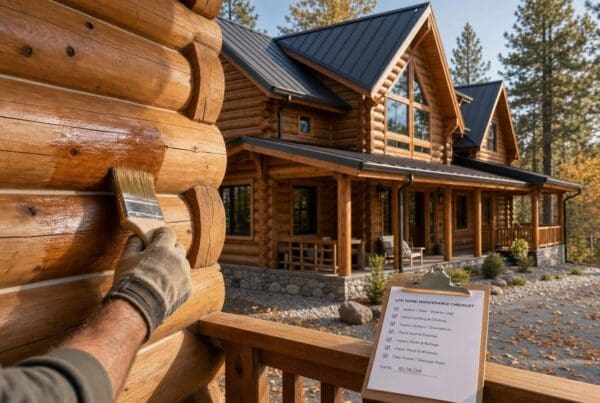
Cedar’s natural preservatives can cut down on how often you need to step in, but they don’t make maintenance disappear. Sun exposure and weathering slowly wear down surface protection, so the logs still need finish maintenance from time to time [5].
A smart upkeep plan usually includes:
- Recoating with a UV-protective stain every 2 to 5 years [1][7]
- Using breathable finishes
- Sealing end grains and joints [7]
It also helps to inspect the home now and then for new checks, places where water sits, or spots where the finish has worn thin. Small problems are a lot easier to deal with when you catch them early.
The next step is making sure construction and upkeep protect these built-in cedar strengths, making it the perfect time to build your own retreat.
How Big Twig Homes LLC. puts these cedar advantages to work
Big Twig Homes LLC. offers customizable cedar log home packages built around Northern White Cedar, with support from Moosehead Cedar Log Homes. Proper drying, fit, and installation help move water away from the logs. That’s where cedar’s rot resistance starts to pay off over the long haul.
Those strengths hold up best when construction details keep water moving away from the logs.
Design, Construction, and Maintenance Steps That Protect Cedar
Construction details that keep water off the logs
Cedar does its best work when the house is built to keep water moving away from the start.
It begins at the foundation. Logs should never rest right on bare soil. Even cedar can start to break down after long contact with wet ground. A raised stone or concrete foundation lifts the bottom log courses up and away from splash-back and steady moisture [9].
Gutters matter too. So does drainage that pushes runoff away from the house instead of letting it collect near the base. Corrosion-resistant fasteners and tight joinery help keep water out of joints and can also reduce staining [8].
Routine care that preserves cedar’s natural defenses
Even a well-built cedar home still needs regular care to keep that protection in place.
Keep shrubs and plants away from exterior log walls so air can move freely and moisture doesn’t sit against the wood [2]. If the surface starts turning gray, that usually means UV damage has started and it’s time for cleaning and re-staining [9].
Here’s a simple maintenance schedule:
| Maintenance Task | Suggested Frequency | How It Helps Prevent Decay |
|---|---|---|
| Visual Inspection | Seasonally | Catches small surface checks, dry spots, early soft rot, and soft spots in lower log courses before they spread [8][9] |
| Specialized Cleaning | Every 3–4 years | Removes dirt and prepares the surface for re-staining without damaging fibers [8] |
| UV-Inhibitor Staining | Every 2–4 years | Helps protect against UV damage and surface graying [8] |
| Joint & End-Grain Sealing | Every 5 years | Helps prevent soft rot in areas most likely to trap moisture [8] |
| Gutter & Drainage Check | Bi-annually | Keeps roof runoff from saturating the lower log courses [2] |
| Vegetation Control | Ongoing | Maintains airflow and reduces moisture traps against exterior walls [2] |
| Moisture Testing | Before re-staining | Confirms logs are below 18% moisture content before sealing [9] |
Conclusion: Cedar resists rot best when nature and design work together
Cedar heartwood can resist decay-causing fungi on its own. Its natural extractives and lower moisture retention give it a head start over many other woods. But that edge goes much farther when the home is built to shed water and the surface is kept in good shape over time.
Cedar lasts longest when smart design and steady upkeep back up its natural resistance. To begin planning your own durable structure, you can request a free estimate for a custom log home package.
FAQs
Is cedar rot-proof?
No. Cedar is not rot-proof, but it does a good job standing up to rot and decay.
Its heartwood has natural oils and compounds that help push back against fungi and wood-boring pests. That protection is strongest in the heartwood. The lighter sapwood is more likely to have problems, which is why it still helps to keep cedar dry if you want it to last over time.
How can I tell if cedar logs are staying too wet?
Inspect the structure on a regular basis for signs of excess moisture. Before you apply stain or sealant, make sure the wood’s moisture content is below 18% so you don’t trap moisture inside.
Pay close attention to horizontal surfaces, where micro-checking can start to show up. Check joints and post bases too, since those spots often hold water and can lead to soft rot. Good airflow matters, and logs should stay off bare ground.
What maintenance matters most for cedar log homes?
The main thing that matters in cedar maintenance is keeping the wood dry through good design. Cedar naturally resists rot, decay, and insects thanks to its thujaplicin oils and closed-cell structure. Even so, it still needs protection from outside moisture.
You can also apply an exterior stain to help keep the color more even and guard against UV exposure. Without that extra layer, sunlight can cause the wood to turn gray over time.