

Small Cedar Log & SIP Home Kits Nationwide | Big Twig Homes LLC.
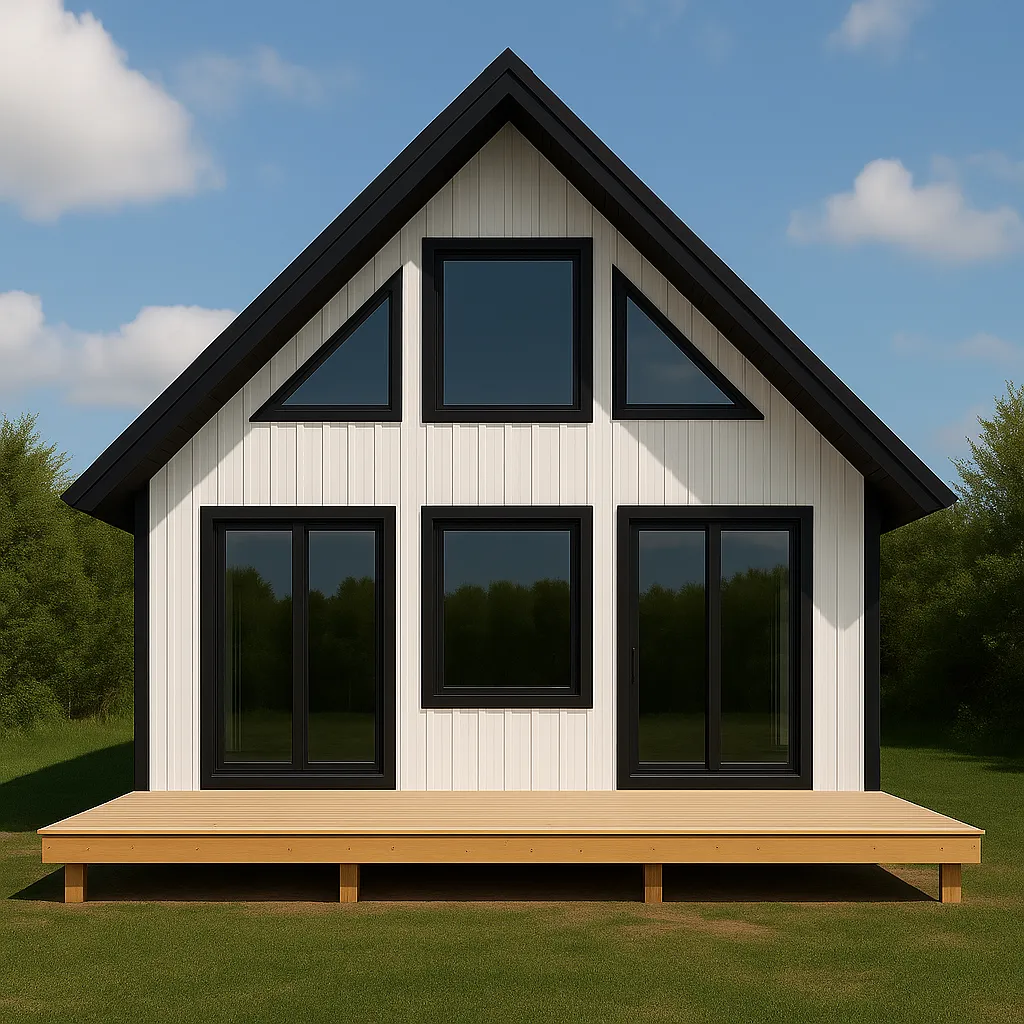
Table Of Contents:
- What Are the Latest Trends in Small Homes From 400 to 950 Square Feet?
- How Do Big Twig Homes’ Little Twig Packages Cater to Small Home Buyers?
- Why Choose Cedar Log Home Packages for Your Small Home Project?
- What Makes SIP Panel Small Homes Energy-Efficient and Cost-Effective?
- How to Choose the Best Small Home Package for Your Needs?
- What Are the Steps to Build and Own a Little Twig Small Home Nationwide?
- Where Can You Find Reviews and Success Stories of Little Twig Small Homes?
- Frequently Asked Questions
- Final Thoughts
The small home market is evolving quickly as homeowners, general contractors, developers, and tract home builders seek cost-effective and efficient building solutions. Big Twig Homes’ Little Twig Home Packages offer designs from cozy 400 sq ft retreats to spacious 950 sq ft homes, available in two material options—the rustic appeal of solid cedar log homes and the energy-efficient versatility of SIP (Structural Insulated Panel) kits. This article explores the latest trends in small homes, the distinct offerings of Little Twig Homes, and how these kits meet the needs of DIY enthusiasts, developers, and affordable housing investors nationwide. Readers will gain insight into ease of assembly, energy efficiency, modern design, and potential return on investment, making it clear why these solutions are preferred across the Southeast and beyond.
What Are the Latest Trends in Small Homes From 400 to 950 Square Feet?
Small homes between 400 and 950 square feet are in demand because they combine affordability with efficient design. Builders focus on maximizing functionality while minimizing unnecessary build-out expenses. Minimalist design elements, innovative storage solutions, open-concept floors, loft spaces, and abundant natural light characterize these homes. Architects and DIYers alike are adapting traditional layouts to fit modern needs, resulting in comfortable yet fully functional affordable housing living spaces.
Why Are Small Homes Popular Among DIYers and Developers?
Both DIY enthusiasts and developers appreciate small homes for reducing financial risk while offering flexibility. DIYers benefit from a manageable project that allows for personalized builds with relative ease, while developers enjoy lower construction costs, faster build times, and high demand for income properties. The integration of modern technologies with traditional aesthetics—exemplified by cedar log kits —further enhances appeal by potentially increasing return on investment through reduced labor costs and minimized material waste.
How Do Income Properties Benefit From Small Home Investments?
Small home investments allow investors to diversify income streams by developing multiple units on one property. These homes are easier to finance and usually come with lower property taxes and insurance costs. In high-cost housing areas, such as those served by Big Twig Homes and the Little Twig Home offer affordable housing for transient tenants, students, and young professionals. Their controlled build costs and faster ROI make them an attractive option for developers looking to reduce risk while maximizing profits.
What Are the Key Features of Modern Small Home Designs?
Modern designs prioritize energy efficiency, sustainability, and smart use of space. High-performance insulation, whether traditional or through advanced SIP panels (as seen in sip homes western nc), is common. Renewable energy sources like solar panels and high-efficiency HVAC systems are increasingly integrated. The blend of minimalist aesthetics with warm, natural materials—exemplified by solid cedar log homes—creates a cozy yet contemporary ambiance. Open floor plans, multipurpose spaces, and integrated home automation further enhance functionality and sustainability.
How Do Big Twig Homes’ Little Twig Packages Cater to Small Home Buyers?
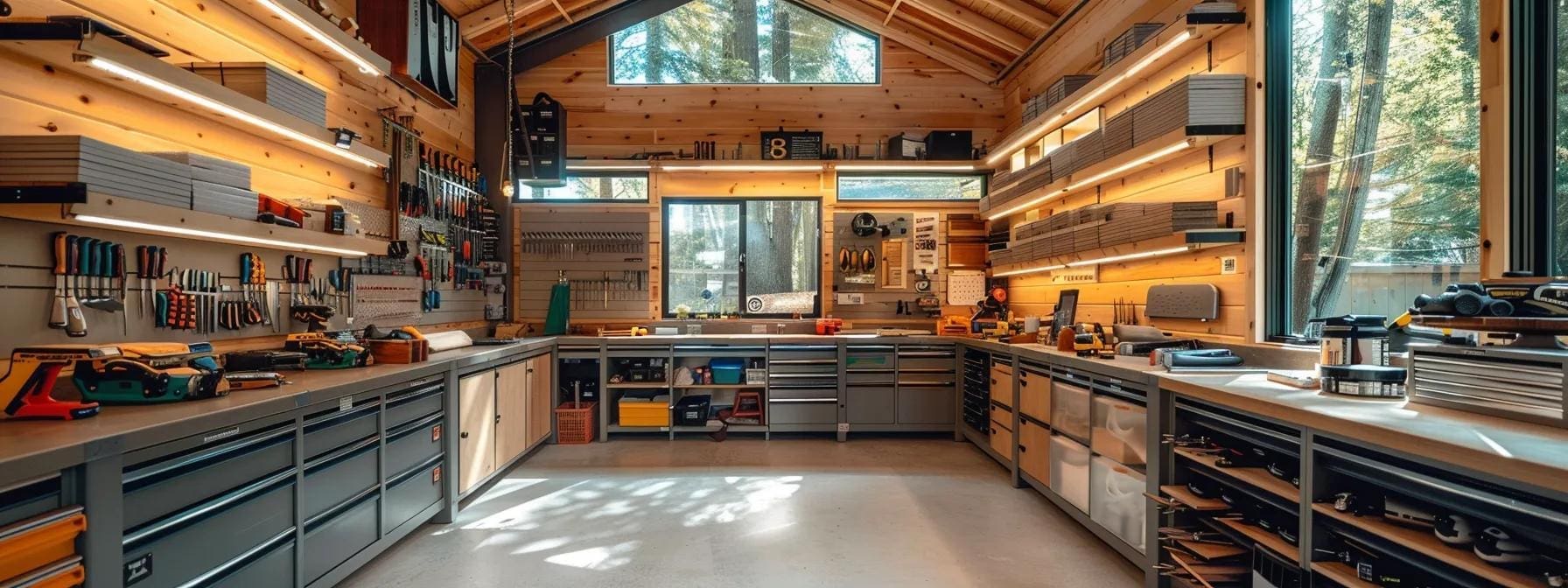
Big Twig Homes’ Little Twig Packages are tailored to meet the needs of diverse small home buyers. Offered in Cedar Log Packages and SIP Panel Shell Packages, these kits allow customers to select their preferred style and performance features within a defined budget. Designed for modular assembly, the kits are ideal for DIY builders and professional contractors alike and suit applications such as primary residences, accessory dwelling units (ADUs), off-grid cabins, and short-term rentals.
What Is Included in the Little Twig Home Building Kits?
The building kits are comprehensive, providing all what is needed for a quality small home. The Cedar Log Package features solid milled cedar log walls, Andersen 100 Series windows, pre-packaged interior framing with tongue-and-groove pine walls and ceilings, exterior doors, loft framing, and a conventional rafter roof system with shingles. The SIP Panel Shell Package includes a full exterior shell with precut SIP panels, metal siding, and roofing, offering superior energy efficiency through high R-values. Both options simplify construction by allowing builders to concentrate on affordable housing and interior finishing.
How Do the Cedar Log Home and SIP Panel Versions Differ?
The Cedar Log Home package caters to those desiring a traditional, rustic look with naturally accented details and pre-selected window placements. Conversely, the SIP Panel version is optimized for energy efficiency and rapid construction, with prefabricated panels that significantly reduce installation time and energy bills. Both versions maintain strong structural integrity but follow distinct aesthetic and functional pathways—offering either the timeless charm of cedar log homes or the modern appeal of SIP panel construction.
Are Little Twig Homes Available Nationwide for Easy Purchase?
Yes, Little Twig Homes are accessible nationwide. Big Twig Homes LLC utilizes an efficient ordering and delivery process to ensure components arrive on schedule, regardless of location. This nationwide availability benefits developers seeking to implement affordable housing across various markets and DIY builders who expect consistent quality and design support.
Why Choose Cedar Log Home Packages for Your Small Home Project?
Cedar Log Home Packages offer durability and aesthetic appeal. Cedar’s natural resistance to decay and pests extends a home’s lifespan, while its warm appearance creates a comforting atmosphere for rural and suburban buyers. Platforms like solid cedar log homes provide customization options—such as stain colors, trim designs, and window color selections—so homeowners can add personal touches. Traditional craftsmanship coupled with modern engineering methods ensures that cedar log homes are both beautiful and structurally sound.
What Are the Aesthetic and Durability Benefits of Cedar Log Homes?
Cedar log homes exude rustic charm with a timeless appeal. The natural oils in cedar provide inherent protection against moisture, decay, and insects, reducing long-term maintenance needs. Rich textures and colors add elegance to any design, and properties with traditional log construction can often retain higher property values. This blend of beauty and durability makes cedar log homes highly attractive to buyers seeking quality and long-lasting performance.
How Do Cedar Log Homes Support DIY Construction?
Cedar log kits are designed with the DIY builder in mind. They come with detailed assembly instructions, pre-cut materials, and all necessary hardware, reducing the risk of mistakes. The design ensures precise component fit, and the balance between traditional craftsmanship and modern convenience allows homeowners to customize their build without excessive reliance on professional labor. Consultations and robust customer support further empower even novice builders.
What Maintenance Is Required for Cedar Log Small Homes?
Cedar log homes require relatively low maintenance due to cedar’s natural durability. Regular inspections of caulking and sealants, periodic cleaning of log surfaces, trimming of surrounding vegetation, and ensuring the roof and gutters are free of debris are advised. Occasional re-staining or sealing helps maintain the wood’s appearance and longevity, making cedar log homes a sustainable and cost-effective choice.
What Makes SIP Panel Small Homes Energy-Efficient and Cost-Effective?
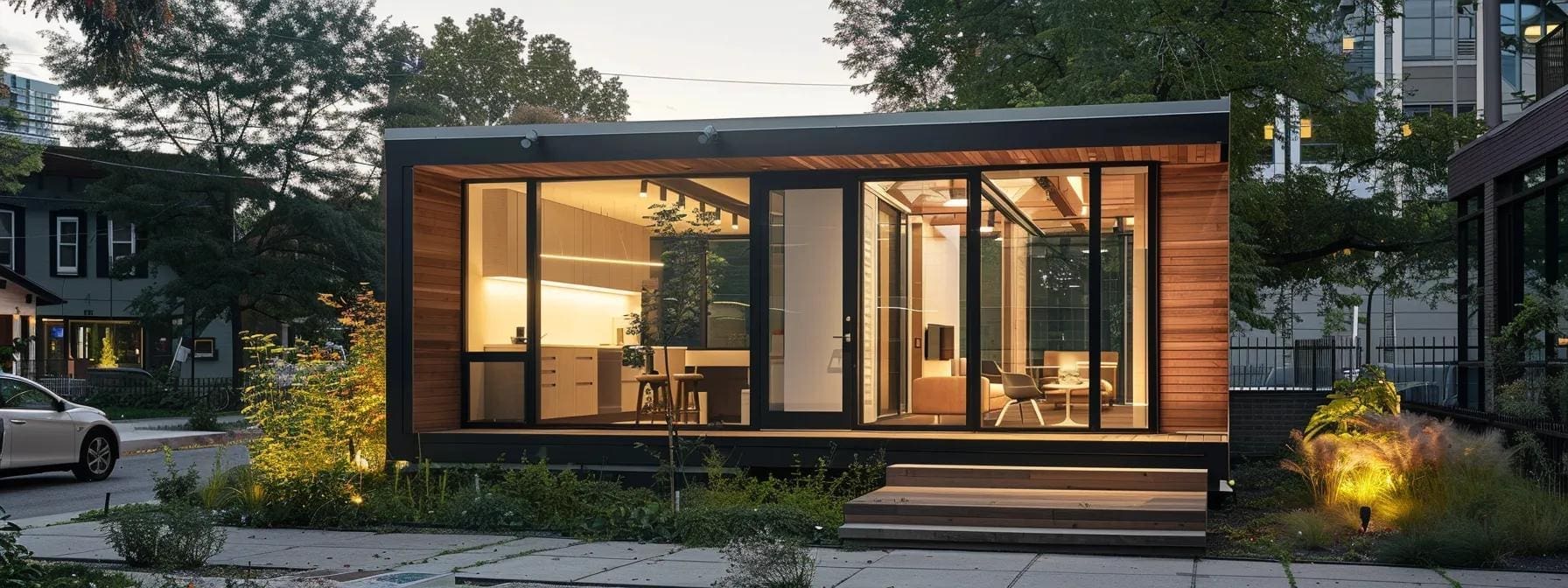
SIP Panel Small Homes stand out for their energy efficiency and cost benefits. Utilizing structural insulated panels that achieve high R-values (R26 for walls and R49 for roofs), these homes have a tight building envelope that minimizes energy waste. This results in consistent indoor temperatures with reduced dependency on heating and cooling systems, ultimately lowering utility bills and supporting sustainability initiatives.
How Do SIP Panels Improve Insulation and Reduce Energy Costs?
The design of SIP panels, with a foam core between two structural facings (typically plywood or OSB), creates high thermal resistance while eliminating gaps that cause energy loss. This design helps homes save up to 35% on heating and cooling costs compared to conventional constructions. Moreover, SIP panels streamline on-site assembly and reduce waste, further lowering construction expenses—a key advantage for developers and contractors.
Can Developers and Investors Maximize ROI With SIP Panel Homes?
SIP Panel Homes offer a quick build time—often reducing construction time by up to 40%—which enables faster occupancy and rental turnover. Their energy efficiency attracts premium tenants, and lower utility and maintenance costs contribute to enhanced ROI. These savings, combined with the growing demand for sustainable properties, make SIP panel homes a strategic investment, particularly for income property projects.
What Are the Construction Advantages of SIP Panel Kits for DIYers?
For DIY builders, SIP Panel Kits simplify the construction process with pre-cut, precision-engineered panels that reduce on-site measurements and potential mistakes. The interlocking design ensures an effective, energy-efficient seal, and the systems can be easily customized to include features such as extended overhangs or tailored window placements. This ease of assembly, paired with significant energy savings, makes SIP Panel Kits especially appealing for modern, sustainable builds.
How to Choose the Best Small Home Package for Your Needs?
Choosing the right small home package requires evaluating design preferences, budget constraints, and intended use. Buyers must balance the traditional charm of cedar log construction against the modern energy efficiency of SIP Panel kits, considering customization options, assembly complexity, and future maintenance needs. DIY enthusiasts often value hands-on control, while developers prioritize scalability and quick build times. Little Twig Homes offers a range of options suited to both personal and income-generating properties.
What Factors Should DIYers Consider When Selecting a Small Home Kit?
DIY builders should first assess their technical skills and the level of support provided with the kit (detailed manuals and design consultations are key). They should then consider the time and cost required for assembly and finishing work. Kits with extensive pre-fabrication, such as SIP systems, can ease labor demands, while cedar log kits—though potentially more intricate—offer richer aesthetic value. Reliability from providers like bigtwighomes.com is also crucial for ensuring quality throughout the project.
How Do Developers Evaluate Small Home Options for Income Properties?
Developers evaluate small home options based on build time, market demand, and ongoing operating costs. Rapid construction and consistent quality across multiple units are critical, which is why SIP Panel Kits are often preferred. Energy efficiency further enhances tenant satisfaction and rental returns. Flexibility in design also helps tailor homes to different markets, while financing options and local building codes play important roles in project viability.
What Budget and Size Options Are Available in Little Twig Home Packages?
Little Twig Home Packages come in two size options—400 sq ft and 950 sq ft—to accommodate different living needs and budgets. The 400 sq ft model suits single living, ADUs, or vacation cabins, while the 950 sq ft option allows for multi-bedroom layouts appropriate for families or income properties. Transparent pricing, customization details, and installation support—available on platforms such as sips.org—help buyers compare long-term costs, energy savings, and potential property value.
Little Twig Home Packages for Small Home Buyers | Big Twig Homes LLC.

Building a Little Twig Small Home follows a clear, streamlined process suitable for DIY builders, developers, and contractors alike. After selecting the appropriate kit, customers order online, schedule delivery, and follow detailed, step-by-step assembly instructions. The process is designed to minimize delays and costs, ensuring a smooth transition from purchase to occupancy. Professional support is available throughout, making the construction journey hassle-free for every buyer.
How Do You Order and Receive a Little Twig Home Package?
Ordering is handled online via the company website, where customers can choose between the 400 sq ft and 950 sq ft models and select either the Cedar Log or SIP Panel option. The secure checkout process, starts with a 100.00 non refundable deposit that is credited toward your purchase, then once you are ready you can use our ACH paymnet system or a Bank certified check for the purchase amount of the material package. Once the order is confirmed, Big Twig Homes prepares the components for drop-shipping, ensuring reliable nationwide delivery with complete tracking via Big Twig Homes LLC.
What Construction Support Is Available for DIY Builders?
DIY builders receive comprehensive support through detailed assembly manuals, video tutorials, and responsive customer service. Free consultation services and recommendations for local contractors further help address any challenges. Partnerships with trusted suppliers such as sips.org ensure professional guidance and quality control throughout the project.
How Long Does It Take to Complete a Small Home Build?
Build times vary by kit type and builder experience. SIP Panel Kits, due to their prefabricated nature, can be completed in 3 to 6 weeks, whereas Cedar Log Home Kits may require an additional 2 to 3 weeks. With proper scheduling and adherence to guidelines, most projects are finished within 6 to 10 weeks from delivery to final touches. Again these numbers are based on crew size and knowledge, real estate investing.
What Do DIYers Say About Building With Little Twig Kits?
DIY builders consistently report that the clear, step-by-step instructions and high-quality pre-fabricated components simplify the construction process and reduce stress. Many commend the ability to customize finishes according to personal taste while saving time and costs compared to traditional builds. Supportive online forums and responsive customer service further enhance the DIY building experience.
How Have Developers Benefited From Little Twig Home Packages?
Developers appreciate the modular design and rapid assembly of Little Twig Home Packages, which enable quick replication of units and reduced downtime. The reliability and energy efficiency of both Cedar Log and SIP Panel options lead to satisfied tenants and lower long-term maintenance costs. These factors, often highlighted in industry case studies, underscore the financial and operational benefits for real estate investment trust projects.
Which Income Property Investors Recommend Little Twig Homes?
Income property investors endorse Little Twig Homes for maximizing ROI and streamlining property management. The efficient build times, energy performance, and appealing aesthetics are frequently noted as key advantages. High tenant retention and reduced construction costs further validate these kits as a smart choice for developers targeting various rental markets.
Frequently Asked Questions
Q: What distinguishes Little Twig Home Packages from traditional small home construction methods? A: Little Twig Home Packages streamline construction by providing pre-fabricated components and detailed assembly instructions, reducing build times, enhancing energy efficiency, and lowering overall costs and higher quality material. The Little Twig Homes are not converted sheds, they are true home construction quality. The option of choosing either Cedar Log or SIP Panel builds allows for customization based on sustainability and functional needs.
Q: Are the Cedar Log Kits and SIP Panel Systems customizable to fit specific design needs? A: Yes, both systems are highly customizable for color and interior finisdhes. Buyers can choose from various 4 layout options, and colors. Cedar log homes offer customization through stain and and window color, and shingle color options, while SIP Panel systems allow selection of siding, roofing, and window and trim colors to reflect the owner’s style.
Q: How do Little Twig Home Packages help reduce energy costs? A: The SIP Panel system offers superior insulation with high R-values, minimizing heat loss in winter and heat gain in summer. This efficient design, paired with precise construction, significantly lowers heating and cooling expenses over time.
Q: What is the typical timeline for completing a build using these small home kits? A: SIP Panel Kits generally take 4 to 6 weeks, while Cedar Log Kits may require an additional 2 to 3 weeks. Most projects are completed within 6 to 9 weeks, depending on kit type, builder expertise, and local permitting.
Q: How do developers ensure consistency and quality across multiple small home projects? A: The standardized design and precision manufacturing of Little Twig Home Packages guarantee consistent material quality and build performance, making it easier to replicate successful models. Comprehensive support and free design consultations further ensure quality.
Q: Can Little Twig Home Packages be used for both primary residences and income properties? A: Absolutely. Their versatile designs suit applications ranging from primary residences and accessory dwelling units to short-term rentals and income properties, catering to diverse market needs.
Final Thoughts
This comprehensive article has explored every facet of small home building kits and trends, demonstrating how Big Twig Homes’ Little Twig Packages meet the diverse needs of DIYers, developers, and income property investors. By comparing Cedar Log and SIP Panel systems and emphasizing nationwide accessibility and design versatility, the article provides clear guidance for selecting the right building kit. The blend of energy efficiency, timeless aesthetics, and cost-effective construction makes these packages a compelling solution in today’s dynamic housing market. With strong support systems, streamlined ordering processes, and extensive customization options, Little Twig Homes is well positioned to lead the future of small home construction while delivering exceptional value and lasting benefits.
This table summarizes key attributes of each small home package option, highlighting the advantages that help buyers determine which solution best fits their needs. Comparison data underscores the energy savings, assembly speed, and aesthetic qualities of Cedar Log versus SIP Panel options.



