
Plan a Smarter Home Layout
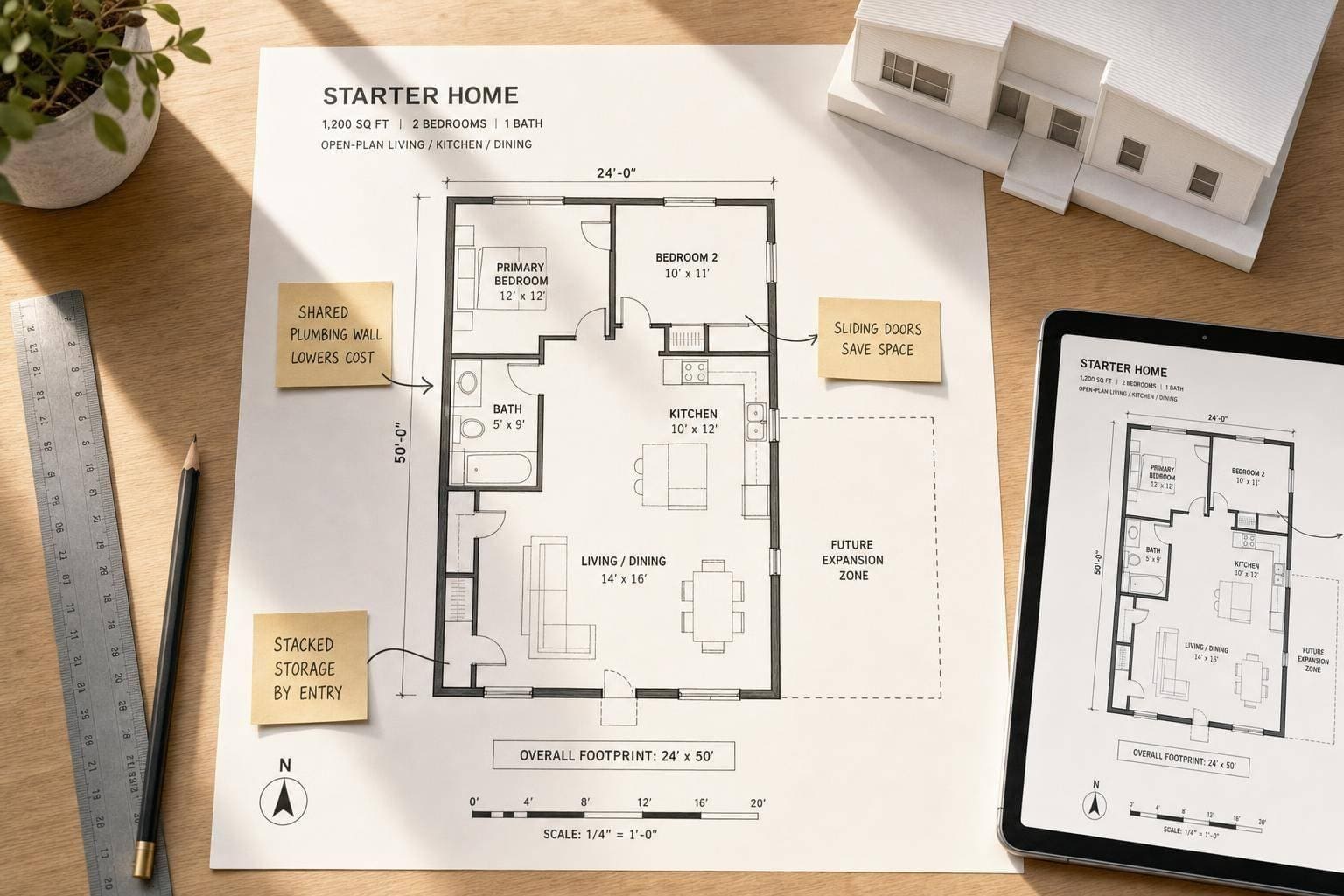
A good home starts with a layout that fits how you actually live. This House Plans Generator helps you turn a list of preferences into a practical planning concept for a starter home, with room ideas, size ranges, and simple layout guidance that’s easy to understand. Whether you want an open living area, split bedrooms, a larger kitchen, or a main-floor suite, the tool organizes those choices into a clear direction.
Built for Real-World Priorities
Instead of producing generic sketches, this planner focuses on the decisions homeowners wrestle with early on: how to divide square footage, where rooms should connect, and which features may need compromise. It considers lot type, garage needs, number of stories, and accessibility preferences to suggest a workable footprint and room distribution.
A Useful Starting Point
The House Plans Generator is ideal for comparing options before you meet with a designer or builder. You’ll get a text-first concept that includes estimated room sizes, floor-by-floor organization, and notes on flow between spaces like the kitchen, mudroom, laundry, and bedrooms. If your requests push the limits of the available square footage, the tool highlights realistic tradeoffs so you can make better planning decisions early.
FAQs
Does this tool create real construction drawings?
No. This tool creates a planning concept, not stamped architectural, structural, or permit-ready drawings. It’s meant to help you organize ideas, understand how your priorities affect layout, and build a clearer starting point before working with a licensed designer, architect, or engineer.
How accurate are the room sizes and footprint suggestions?
They’re practical planning estimates based on common residential layout patterns, your selected square footage, and the features you request. That makes them useful for early decision-making, but they’re still conceptual. Final dimensions depend on local codes, structural needs, lot setbacks, window placement, stair design, and the details of the final build.
What happens if I ask for too many features in a smaller home?
The tool will flag likely tradeoffs in a friendly way instead of forcing an unrealistic plan. It prioritizes core living spaces first, then adjusts optional rooms, room sizes, or feature intensity so the result stays believable. That means you’ll get a concept that feels more like a real starter home and less like a crowded wish list.