

SIP Panels: The Future of Eco-Friendly and Efficient Home Construction
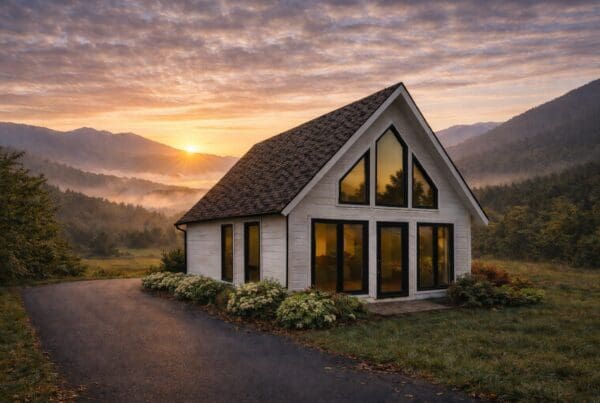
SIP panels, or Structural Insulated Panels, have emerged as a game changer in the realm of eco-friendly construction. By combining insulation with structural building materials, these panels minimize waste and enhance energy efficiency. This innovative approach not only reduces the carbon footprint of homes but also supports the movement towards greener living spaces.
The durability of SIP panels contributes significantly to their appeal, as they can withstand harsh weather conditions while providing excellent thermal insulation. Homeowners benefit from reduced energy costs due to the thermal efficiency of these panels. As awareness of sustainable building practices grows, SIP panels are poised to play a crucial role in reshaping construction norms.
SIP Panels: The Future of Sustainable Home Construction
SIP panels represent a notable shift towards sustainable home construction by utilizing renewable resources and promoting energy efficiency. With the ability to integrate high-quality insulation within the panels, they substantially reduce the amount of energy required for heating and cooling homes. This translates into lower utility bills and a smaller ecological footprint, making SIP panels an attractive option for environmentally-conscious builders and homeowners alike.
Home types offered by Big Twig Homes: log homes VS SIP homes
When considering the various types of homes, it’s essential to weigh the differences between traditional log homes and those constructed with SIPs. Log homes provide a rustic appeal, typically made from solid timber, offering aesthetic beauty and excellent natural insulation properties. However, SIP homes offer modern efficiency, with their engineered panels allowing for faster construction times and superior thermal performance.
Choosing the Perfect Type of Home
Deciding on the perfect type of home can be a daunting task, given the multitude of options available today. Factors such as climate, personal preferences, budget, and sustainability goals play a significant role in determining the best fit. For many, understanding the advantages of various construction methods, such as SIP technology versus traditional materials, can greatly influence their choice.