
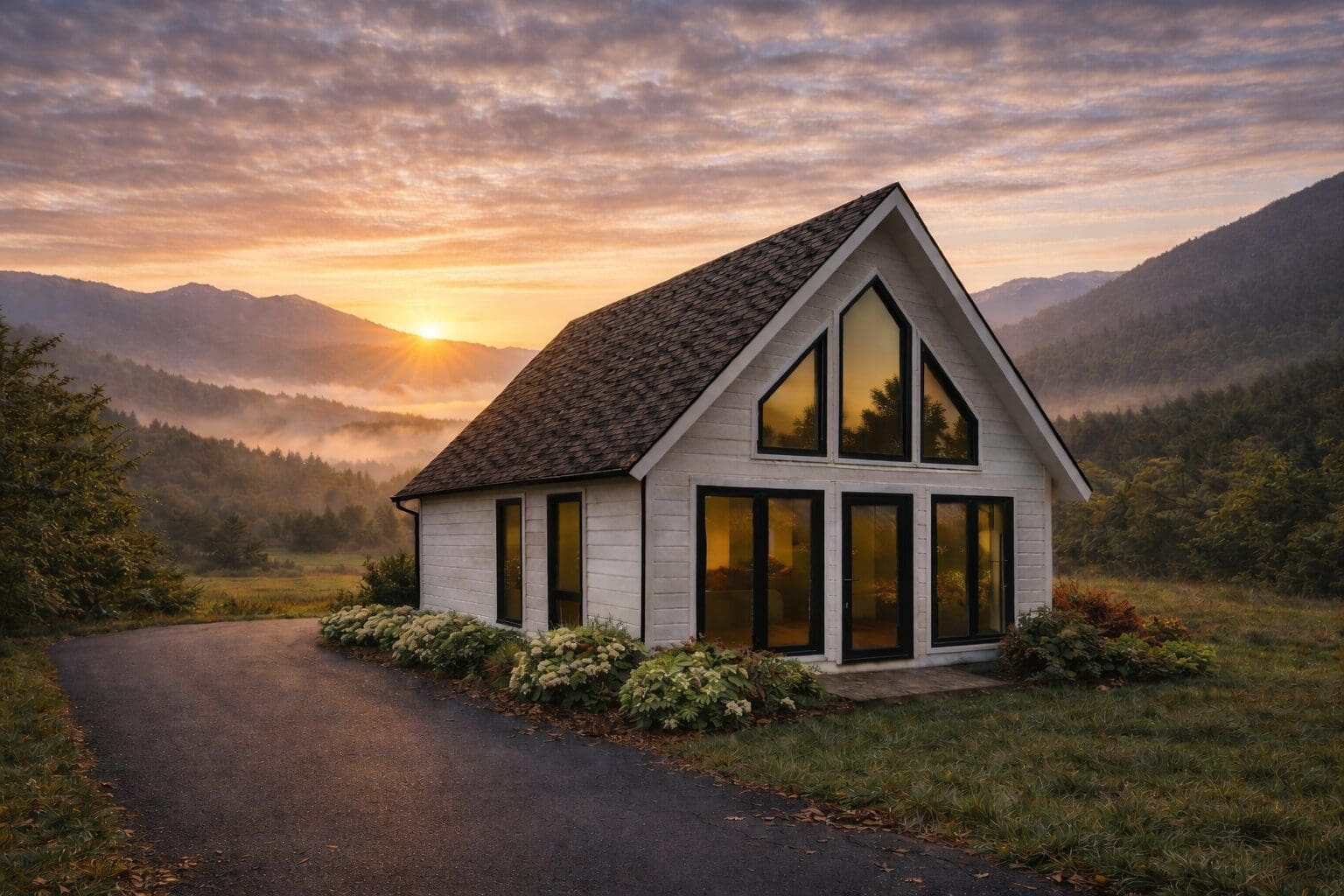
Why Little Twig Homes Exists: Real Small Homes Built for Today’s Housing Pressure (SIP or Cedar Log | Standard or Northern)
Little Twig Homes exists for one reason: people need smaller homes they can actually afford without settling for temporary, low-quality alternatives. When housing costs rise fast, the market tends to fill with shortcuts—structures that look good online but don’t live well long-term. That’s not what we build.
Little Twig Homes is a division of Big Twig Homes LLC (est. 2004), created by Aaron Dunn, and built on the same principles that have guided larger custom and commercial work for decades: controlled scope, real construction systems, and results you can stand behind.
Little Twig Homes originally launched in 2008 as a direct response to rising costs and demand for smaller, high-quality homes. As buyer preferences shifted back toward larger homes in later years, the program was paused. Then in 2022, affordability pressure surged again—and the need returned even stronger, with new use cases driving demand: ADUs, workforce housing, investor rentals, small-home communities, and durable transitional housing solutions.
Today, Little Twig Homes delivers real residential small homes as pre-cut, numbered material packages in two sizes—400 sq ft and 950 sq ft—and two construction systems—SIP panel and cedar log—with Standard and Northern versions so the same models can be deployed nationwide.
If you want the right fit quickly, the shortest path is simple: share your build location, your use case, and whether you prefer SIP or cedar. For direct access to the owner, call 828-579-3009.
Big Twig Homes (2004) → Little Twig Homes (2008) → Relaunch (2022)
Big Twig Homes LLC was established in 2004 by Aaron Dunn to deliver high-end custom homes and commercial projects. On those builds, performance and details aren’t optional. That background matters because it forces discipline—especially around the two things that make or break projects: scope control and execution.
Why Little Twig Homes started in 2008
In 2008, housing costs and uncertainty pushed buyers toward smaller footprints. But the market’s “affordable” options often came with obvious compromises:
-
structures that didn’t feel permanent
-
weak energy performance and comfort
-
low-grade materials and details
-
designs that weren’t intended for long-term living
Little Twig Homes was created to meet that demand with a better approach: smaller homes that are still real homes, delivered with clearer scope and a build path that reduces chaos.
Why it paused, and why it came back
As markets normalized in later years and demand leaned back toward larger homes, Little Twig Homes was paused. Then in 2022, affordability and supply pressure surged again. The same need returned, but with wider demand drivers: ADUs, workforce housing, developers planning small-home communities, investors building rental clusters, and organizations exploring durable transitional housing options.
The relaunch focused on refining what matters most: two footprints, two construction systems, and climate-specific versions—packaged for predictable execution.
The real affordability problem isn’t just price — it’s risk
Housing gets expensive in obvious ways (materials, labor, financing), but a lot of projects become unaffordable due to risk exposure:
-
schedule drift that compounds costs
-
weather exposure while waiting for enclosure
-
labor gaps that stall sequencing
-
onsite cutting and corrections that burn hours
-
rework from jobsite errors
-
scope creep because inclusions weren’t clearly defined
Most overruns aren’t one large mistake. They’re friction multiplied over weeks and months.
Little Twig Homes is designed to reduce those friction points by delivering a more controlled system and reducing the number of onsite decisions required to reach dry-in and move forward.
What Little Twig Homes offers today
Little Twig Homes focuses on two practical, livable sizes:
-
400 sq ft
-
950 sq ft
Each is available in two construction systems:
-
SIP panel construction
-
Cedar log construction
And each is available in:
-
Standard versions
-
Northern versions (for colder climates and higher performance needs)
Little Twig Homes sells nationwide, and climate is not an afterthought. The goal is to match the package to the environment so the finished home performs the way it should.
SIP Panel Homes: Why they’re a strong choice for modern small homes
SIP construction is practical because it compresses several priorities into one system:
-
more controlled build sequencing
-
strong insulation performance
-
comfort that’s especially noticeable in a small footprint
-
reduced jobsite complexity compared to fully stick-built sequencing
In a larger home, comfort problems can hide. In a small home, you feel them everywhere. That’s why envelope performance matters so much in this category.
SIP Package Includes
-
Structural Insulated Panel (SIP) walls and roof panels
-
Metal siding and metal roofing
-
Andersen 100 Series windows and exterior doors
-
All necessary exterior trim
-
Interior framing components
This ships as a complete pre-cut materials kit (not pre-assembled) and is assembled on the customer’s prepared foundation by their builder or construction crew. It can also be used as a DIY materials package if the customer does not want to hire a general contractor, but many projects still use a crew to move faster and stay aligned with local inspections.
Standard vs Northern SIP (R-Values)
-
Standard SIP: R-26 walls / R-40 roof
-
Northern Cold Climate Edition SIP: R-29 walls / R-57 roof system
The Northern edition is designed for colder climates where heating demand, snow conditions, and long winter seasons make envelope performance more critical.
Call 828-579-3009 if you want a quick recommendation on whether Standard or Northern fits your location.
Cedar Log Homes: Why cedar fits small homes unusually well
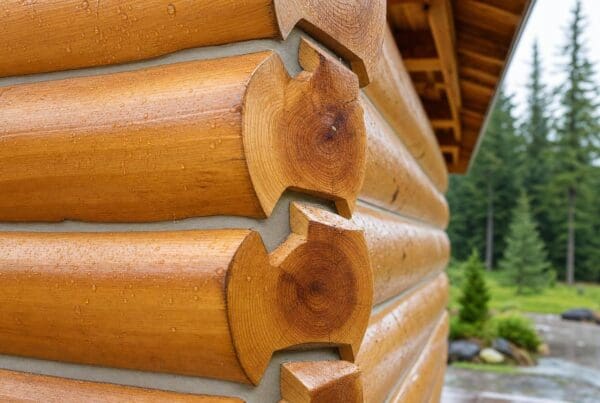
Cedar log homes succeed in the small-home category because they deliver something many modern builds have to buy as an upgrade: a finished, permanent home feel.
Small homes get evaluated differently than large homes. In a small footprint, people notice every surface and every finish decision. Cedar performs well in that environment for a few reasons:
1) Cedar brings finished interior value built into the system
Many builds require multiple layers to feel “complete.” Cedar log homes deliver a distinctive interior character as part of the build system itself.
2) Cedar aligns with the markets where small homes are commonly built
A large share of small-home demand comes from:
-
mountain properties
-
lakes and rural acreage
-
retirement builds
-
second homes
-
lifestyle markets where “experience” matters
Cedar looks right in these settings and supports the kind of long-term appeal buyers expect.
3) A pre-cut, numbered package reduces complexity
Log homes can feel intimidating when people imagine everything being cut and fit onsite. The Little Twig log system is delivered as a pre-cut, numbered package designed to make assembly more straightforward.
Cedar Log Home Package Includes
-
Cedar logs (pre-cut and numbered for fast assembly)
-
Windows and exterior doors
-
Architectural shingles
-
Interior tongue-and-groove pine
-
Ceiling tongue-and-groove pine
-
Interior doors and hardware
-
Finished stair material and railings
Cedar log versions are offered in Standard and Northern configurations as well so the package can be aligned with climate expectations and local requirements. Selection depends on where the home will be built.
Who these packages are built for (and why different buyers choose them)
Small homes aren’t one customer type anymore. The market now includes homeowners, builders, developers, investors, and organizations trying to solve housing supply problems at scale. The pain points differ, but they overlap in predictable places: cost control, schedule, comfort, and durability.
Homeowners (primary residence, retirement, second home)
What typically drives the decision
-
traditional builds feel out of reach
-
buyers want predictable scope
-
they want a real home, not a novelty structure
-
operating cost matters
Typical fit
-
efficiency-first buyers often prefer SIP
-
lifestyle/retreat buyers often prefer cedar
-
cold climates often lean toward Northern editions
Builders
What typically drives the decision
-
schedule drift kills margin
-
labor availability is inconsistent
-
jobsite waste and rework add cost
-
clients want clearer pricing
Why packages help
Pre-cut, numbered systems reduce onsite cutting, reduce crew confusion, and improve sequencing. That supports cleaner scheduling and quoting.
Developers
What typically drives the decision
-
custom one-offs don’t scale
-
inconsistent designs complicate approvals and procurement
-
infrastructure planning benefits from standard footprints
-
phasing matters (start smaller, expand as demand confirms)
Why Little Twig fits
Two consistent footprints and repeatable package scope support phased deployment and multi-unit planning. Climate editions support multi-region rollouts.
Investors (short-term rentals, long-term rentals, unit clusters)
What typically drives the decision
-
overruns destroy ROI
-
cheap builds become maintenance problems
-
utility costs affect cash flow
-
guest appeal affects STR occupancy and reviews
Typical fit
-
SIP: modern, efficient, low operating cost potential
-
Cedar: strong destination appeal in mountain/lake markets
-
Northern editions: cold regions where comfort and heating cost matter
Small home communities (villages, campground cabins, rental clusters)
What typically drives the decision
-
scaling units is hard when procurement is fragmented
-
infrastructure planning needs consistent footprints
-
schedule slips delay launch and revenue
Standardized footprints (400 and 950) support planning and sequencing. Many communities mix unit types: smaller units for efficiency and larger units for longer-stay or premium offerings.
Workforce housing
What typically drives the decision
-
local workers can’t afford local housing
-
employers struggle to hire and retain
-
speed matters
-
operating costs matter
Small homes can solve workforce housing gaps when zoning, land readiness, and utilities are feasible. SIP performance and Northern options matter in colder regions.
ADUs (Accessory Dwelling Units)
ADU rules vary by jurisdiction—setbacks, size limits, parking, utilities, owner-occupancy rules—so eligibility is always local.
What typically drives the decision
-
predictable scope and budgeting
-
rental income or family living needs
-
comfort and operating cost
Both 400 and 950 can fit many ADU use cases depending on local rules. SIP tends to fit modern ADU goals, while cedar is often selected where aesthetic integration matters.
Emergency and transitional housing
Feasibility depends on local permitting, land readiness, and utilities. Where feasible, durable small homes can serve transitional needs without becoming disposable waste after the initial use case ends.
SIP vs cedar log: a practical way to decide
SIP tends to be the right choice when:
-
energy efficiency and comfort are the priority
-
a modern interior finish is desired
-
faster enclosure and simplified sequencing matter
-
the project is in a cold climate where Northern performance helps
Cedar log tends to be the right choice when:
-
the home needs a warm, finished character without extra layers
-
the setting is rural, mountain, lake, or retreat-oriented
-
“experience” and long-term appeal matter
-
buyers want a classic identity that feels permanent
Execution notes that matter more than most people expect
Packages reduce chaos, but they don’t remove the need for planning. The projects that go smoothly usually have:
-
a foundation that’s square and ready
-
a staging plan for unloading and organizing materials
-
protection against weather exposure while assembling
-
a clear crew plan for sequencing (walls → roof → dry-in → interior)
-
the right climate edition selected early
If you want to talk through sequencing and climate edition selection, call 828-579-3009.
FAQ
Are these real homes or shed conversions?
They’re real residential homes delivered as pre-cut, numbered material packages. They are not converted sheds.
What sizes are available?
400 sq ft and 950 sq ft.
What construction types are offered?
SIP panel homes and cedar log homes.
Do you offer Standard and Northern versions?
Yes. Both systems are available in Standard and Northern configurations to fit climate needs.
What are the SIP R-values?
Standard SIP: R-26 walls and R-40 roof. Northern SIP: R-29 walls and an upgraded R-57 roof system.
Are the packages pre-assembled?
No. They ship as complete pre-cut materials kits (not pre-assembled) and are assembled on the customer’s foundation by their builder or crew.
Do you sell nationwide?
Yes—Little Twig Homes sells nationwide.
Can these be used as ADUs?
Often yes, but ADU eligibility depends on local jurisdiction requirements.
Can these work for communities and workforce housing?
They can be a strong fit when repeatability, scope control, and energy performance are priorities. Feasibility depends on zoning, land readiness, and infrastructure.
Glossary
ADU: Accessory Dwelling Unit (a secondary home unit on a property; rules vary locally)
SIP: Structural Insulated Panel system used for walls and roofs with integrated insulation
R-value: insulation performance rating
Dry-in: the point where the structure is enclosed enough to protect interior work from weather
Scope control: limiting unknowns by defining what’s included and how it assembles
Phased deployment: building in stages to match demand and manage capital
If your project is larger than a small home package
Little Twig Homes is designed for small-home deployment. If you need a large custom home, estate, or commercial project, contact Big Twig Homes directly. Big Twig Homes LLC (est. 2004) focuses on larger one-off residential work and commercial projects, where execution discipline and performance requirements differ. Contact Big Twig Home LLC. at 828 579-3009 for more details or email Aaron@bigtwighomes.com
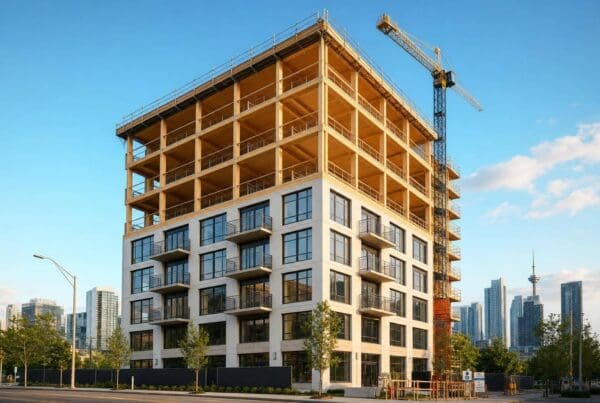
Sustainable Housing Trends With SIP Panels for Modern Builds