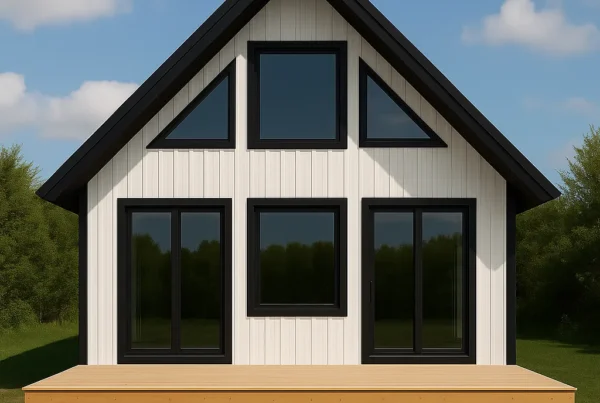
SIP Panel Construction Techniques
SIP panel construction techniques are becoming increasingly popular due to their efficiency and effectiveness in building durable structures. These panels are manufactured by sandwiching a core of rigid foam insulation between two layers of structural board, typically oriented strand board (OSB). This construction method not only speeds up the building process but also enhances energy efficiency, as SIPs significantly reduce air leaks and improve insulation performance compared to traditional framing methods.
In addition to energy savings, the use of SIP panels also allows for greater design flexibility. Architects and builders can create complex shapes and designs without sacrificing strength or performance. The lightweight nature of SIPs facilitates easier handling and installation, leading to reduced labor costs and quicker project completion times. As such, understanding SIP panel construction techniques is essential for anyone considering modern building methods.
The Environmental Benefits of SIPs
Structural Insulated Panels (SIPs) offer numerous environmental benefits that align with sustainable building practices. Their superior insulation capabilities lead to lower energy consumption, which directly translates to reduced greenhouse gas emissions. Additionally, many SIP manufacturers are increasingly using environmentally friendly materials, further lowering the carbon footprint associated with construction processes.
Moreover, the production of SIPs generates less waste compared to traditional wood framing, as the panels are pre-cut and manufactured to precise specifications. This reduction in waste not only benefits the environment but also helps in conserving natural resources. By choosing SIPs for construction projects, homeowners and builders can make a beneficial impact on the planet while also enjoying long-term economic advantages.
Cost Considerations for SIP Panel Homes
Understanding the cost considerations related to SIP panel homes is crucial for homeowners planning their construction projects. While the initial investment may be higher than traditional building methods, the long-term savings in energy bills can make SIP homes more economical over time. Additionally, the reduced construction time associated with SIPs can lead to lower labor costs, helping to offset their upfront cost.
It’s important to also factor in the durability and longevity of SIP homes when considering overall expenses. SIPs are less prone to problems such as moisture intrusion and pests, which can result in decreased maintenance costs over the lifetime of the home. Therefore, when making a comprehensive financial assessment, it is beneficial to weigh both the initial costs and the long-term savings offered by SIP panel construction.