
Sustainable Housing Trends With SIP Panels for Modern Builds

Sustainable Housing Trends With SIP Panels for Modern Builds
Comprehensive Table of Contents for Sustainable Housing Solutions
- Sustainable Housing Trends With SIP Panels for Modern Builds
- Key Takeaways
- Understand the Benefits of SIP Panels in Sustainable Housing
- Examine Current Trends in SIP Panel Usage for Modern Homes
- Identify Key Considerations When Choosing SIP Panels
- Learn About Cost Factors Associated With SIP Homes
- Discover Government Incentives for Sustainable Building
- Analyze the Future of SIP Panels in Sustainable Construction
- Frequently Asked Questions
- Conclusion
Sustainable Housing Trends With SIP Panels for Modern Builds
Sustainable housing is becoming a priority for many builders and homeowners seeking energy-efficient solutions. One efficient option is Structural Insulated Panels (SIPs), which offer exceptional insulation and strength. This article will explore the benefits of SIP panels in sustainable housing, current trends in their usage, and key factors to consider when choosing them. Readers will gain insights into how to create modern, eco-friendly builds while addressing cost factors and government incentives. By understanding these elements, potential builders can make informed decisions that enhance project efficiency and sustainability, aligning with the ethos of Big Twig Homes and the Sip commercial building organization.
Key Takeaways
- SIP panels enhance energy efficiency, leading to lower utility costs for homeowners
- These panels provide design flexibility, accommodating various architectural styles and preferences.
- Their durability reduces long-term maintenance needs, ensuring lasting investment for homeowners.
- Investing in SIP technology can yield significant long-term savings despite higher initial costs.
- Government incentives and grants support sustainable housing initiatives using the SIP construction method.
Understand the Benefits of SIP Panels in Sustainable Housing

SIP panels offer notable energy efficiency advantages, contributing to sustainable housing through reduced energy consumption. The environmental impact of SIP construction methods is significantly lower than traditional techniques while being cost-effective for builders and homeowners. They provide design flexibility and showcase exceptional durability, making them ideal for modern builds, including sip homes in western North Carolina. Insights into these benefits highlight the value of incorporating SIP panels with solutions like lightspeed services, solid cedar log homes, and cedar log home kits provided by Big Twig Homes. For more resources, visit the sips organization.
Recognize Energy Efficiency Advantages of SIP Panels
One of the primary energy efficiency advantages of Structural Insulated Panels (SIP) is their superior insulation properties. SIP panels, supported by organizations like the SIPs organization, have a solid core of rigid foam insulation, which creates an airtight seal that significantly reduces energy transfer. This ensures heating and cooling systems operate more effectively, lowering energy bills for homeowners seeking sustainable housing solutions, such as complete framing packages from eps buildings.
Moreover, the reduced energy consumption attributed to SIP panels contributes to a smaller carbon footprint. Builders can achieve improved energy performance by utilizing SIP technology in modern builds, such as log homes or commercial structures in the Southeastern United States. This not only enhances comfort but also aligns with a growing demand for eco-friendly construction methods:
- Superior insulation reduces heating and cooling needs.
- Airtight construction minimizes energy loss.
- Lower energy bills contribute to cost savings.
- A smaller carbon footprint supports environmental sustainability.
Assess Environmental Impact Compared to Traditional Methods
Structural Insulated Panels (SIP) significantly reduce the environmental impact associated with traditional construction methods. Unlike conventional framing, which often utilizes more materials and increases waste, SIP panels are designed for efficiency. Their prefabricated nature allows for quick installation, minimizing on-site time and reducing the carbon emissions typically generated by construction activities.
Moreover, SIP panels contribute to sustainability through their longevity and durability. Compared to traditional building materials, SIPs require less maintenance and offer superior thermal performance, translating into ongoing energy savings for homeowners. This enduring efficiency lowers energy bills and encourages adopting eco-friendly practices in the housing sector, making SIP panels a practical choice for modern builds focused on sustainability.
Explore Cost-Effectiveness of SIP Construction Techniques
The cost-effectiveness of Structural Insulated Panels (SIP) construction techniques becomes evident when assessing both short-term and long-term savings. Builders often experience reduced labor costs due to the quick and efficient installation of SIP panels, allowing for faster project completion. As general contractors and developers seek to maximize their return on investment (ROI), the decreased building time translates directly into financial benefits while providing high-quality, energy-efficient commercial building homes.
Homeowners benefit significantly from the long-lasting durability of SIP panels, which typically require less maintenance than traditional building materials. The superior thermal performance achieved through their design reduces energy bills and enhances overall comfort within the home. This combination of operational savings and minimal upkeep makes SIP construction a compelling choice for those looking to invest in sustainable housing solutions while ensuring ongoing value over the years.
Identify Design Flexibility With SIP Panels in Modern Builds
SIP panels provide exceptional design flexibility, allowing architects and builders to create innovative and unique structures tailored to individual needs. The adaptability of SIPs permits varied architectural styles, from traditional log homes to contemporary commercial buildings, without compromising energy efficiency. This versatility helps homeowners and developers achieve their desired aesthetic while benefiting from the superior insulation and durability inherent in SIP construction.
Furthermore, the prefabrication of SIP panels streamlines the construction process, enabling faster and more precise assembly on-site. This efficiency can be particularly advantageous for general contractors aiming to meet tight deadlines while adhering to sustainability goals. The design possibilities with SIP panels satisfy the growing demand for modern, eco-friendly homes and contribute to a more efficient building experience overall.
Investigate Durability and Longevity of SIP Structures
Structural Insulated Panels (SIP) are recognized for their exceptional durability, offering a robust solution for modern housing. These panels are designed to withstand various environmental stresses, proving their resilience against weather elements like wind, rain, and snow. The longevity of SIP structures translates to lower maintenance costs for homeowners, as these panels do not warp or degrade as quickly as traditional materials, ensuring a lasting investment in sustainable housing.
Moreover, SIPs are manufactured to meet strict building codes, which enhances their reliability and safety. For instance, many SIP products undergo rigorous thermal performance and structural strength testing, providing confidence to builders and owners alike. The enduring quality of SIP construction aligns with the growing emphasis on sustainable housing trends, demonstrating that choosing SIP panels not only addresses immediate needs but also supports long-term environmental goals.
Examine Current Trends in SIP Panel Usage for Modern Homes

This section explores the current trends shaping the usage of Structural Insulated Panels (SIP) in modern homes. It examines popular architectural styles incorporating SIP technology, highlights the integration of renewable energy sources, and analyzes successful case studies of SIP projects. Additionally, it evaluates local zoning laws that influence SIP construction and discusses recent innovations in SIP technology for builders. These insights will provide a comprehensive overview of the growing role of SIP panels in sustainable housing solutions. Sip commercial buildings
Look Into Popular Architectural Styles Utilizing SIPs
Architects and builders increasingly incorporate Structural Insulated Panels (SIP) into various architectural styles, recognizing their versatility and sustainability. Contemporary designs often feature clean lines and open spaces, which are easily achievable with the flexibility of SIP construction, allowing for expansive glass walls and unique structural elements. Additionally, the adaptability of SIPs makes them ideal for tract homes, where they can seamlessly blend with natural surroundings while maintaining superior energy efficiency.
Another prominent architectural trend is the focus on eco-friendly communities prioritizing sustainable practices. Many developers embrace SIP technology to create modern multi-unit housing, such as apartment complexes and tract homes. These structures benefit from SIP panels’ excellent insulation and durable nature, which enhances overall comfort for occupants while reducing energy costs. By integrating SIPs into their projects, builders can address the increasing demand for sustainable living options that do not compromise design or quality.
Consider the Integration of Renewable Energy Sources
Integrating renewable energy sources into homes built with Structural Insulated Panels (SIP) is becoming increasingly common as builders recognize the added value of energy-efficient systems. Solar panels paired with SIP construction can optimize energy savings, allowing homeowners to capitalize on the superior insulation properties of SIPs. This combination reduces reliance on traditional energy sources and enhances the home’s sustainability.
Analyze Case Studies of Successful SIP Panel Projects
Successful case studies of Structural Insulated Panels (SIP) projects highlight these materials’ substantial benefits and versatility in sustainable housing. One notable example is a multi-unit residential complex in the Southeastern United States, where SIP technology was utilized to create energy-efficient units that exceed local building codes. The implementation of SIPs resulted in significantly reduced energy consumption and provided a comfortable living environment, showcasing how builders can effectively address the growing demand for workforce housing options.
Another impactful case is a custom home built entirely with EPS SIP panels in a mountainous region. The construction process was expedited due to the prefabricated nature of the panels, leading to lower labor costs and faster project completion. Homeowners reported lower utility bills, affirming the energy-efficient advantages of SIPs while enjoying the aesthetic appeal of the structure that seamlessly blended with the natural landscape:
- Multi-unit complex utilizing SIPs for energy efficiency.
- Custom log home built with SIP panels for rapid construction.
- Homeowners reported substantial reductions in utility costs.
Evaluate Local Zoning Laws Affecting SIP Construction
Local zoning laws play a crucial role in determining the feasibility and design of SIP construction projects. These regulations can vary significantly by region, dictating the types of structures permitted, building heights, and even aesthetic requirements. Builders focusing on sustainable housing solutions must carefully navigate these laws to ensure compliance while maximizing their designs’ benefits of energy-efficient SIP commercial building panels for energy efficiency and durability.
Moreover, understanding local zoning laws can facilitate smoother project approvals and minimize delays. For instance, areas prioritizing sustainable development may offer expedited permitting processes for projects using eco-friendly materials like SIPs. By engaging early with zoning authorities, contractors can better align their SIP-based designs with community goals, enhancing the potential for successful, sustainable housing projects that resonate with residents’ needs, including workforce housing.
Discuss Innovations in SIP Technology for Home Builders
Innovations in Structural Insulated Panels (SIP) technology are transforming how builders approach sustainable housing. Recent advancements include developing composite materials that enhance SIP panels’ thermal performance and structural integrity. This improvement allows for thinner panels without compromising insulation, providing more design flexibility for architects and builders aiming to create energy-efficient structures.
Smart technology integration within SIP panels is gaining traction. Features like built-in sensors for monitoring energy usage and climate control enhance the functionality of modern homes. As builders focus on creating more innovative,
residential options, these innovations not only improve living conditions but also contribute to long-term energy savings and environmental
- Development of composite materials increasing insulation efficiency.
- Thinner panels provide improved design flexibility.
- Smart technology integrations for energy monitoring.
- Enhanced functionality for sustainable housing solutions.
Identify Key Considerations When Choosing SIP Panels

Critical considerations must be evaluated when selecting Structural Insulated Panels (SIP) for sustainable housing. First, determining the insulation value required for specific climates ensures optimal energy performance. Next, exploring available materials and their benefits helps in making informed choices. Additionally, understanding installation processes for SIP structures is essential for efficient construction. It is also vital to research suppliers and their product offerings and confirm warranties and support services for SIP products. Addressing these key factors will provide valuable insights for builders and homeowners pursuing new energy code construction.
Determine Insulation Value Required for Specific Climates
Understanding the insulation value required for specific climates is essential when selecting Structural Insulated Panels (SIP) for modern builds. Each climate presents unique challenges regarding temperature regulation, making it crucial for builders and homeowners to evaluate the appropriate R-value of SIP panels to ensure optimal energy efficiency. For example, regions with colder winters may necessitate higher insulation ratings to maintain indoor comfort without excessive heating costs.
Additionally, builders should consider local weather patterns, including humidity and rainfall, as these factors can influence insulation performance. Choosing SIP panels with the correct insulation value helps minimize energy bills while enhancing overall comfort in the home. This approach addresses immediate needs and aligns with sustainable housing trends, prioritizing energy-efficient solutions for various climates.
Explore Available Materials and Their Benefits
When evaluating Structural Insulated Panels (SIP) for modern builds, the choice of materials is a pivotal consideration. Options often include expanded polystyrene (EPS), Neopore (graphite-infused eps foam), and polyurethane foam, each offering distinct insulation value and energy efficiency advantages. For instance, EPS is widely recognized for its affordability and reliable thermal performance, making it a popular choice among builders focusing on cost-effective, sustainable new home construction solutions.
Furthermore, these materials’ durability and performance characteristics contribute to the overall long-term viability of SIP structures. Polyurethane foam, for instance, provides superior insulation to its counterparts, offering a higher R-value per inch, which is particularly beneficial for homeowners in regions with extreme climates. Understanding the benefits of each material allows builders to tailor their choices to specific project requirements, enhancing the home’s overall sustainability and energy efficiency.
:
Understand Installation Processes for SIP Structures
Understanding the installation processes for Structural Insulated Panels (SIPs) is essential for builders aiming to maximize the efficiency and benefits of sustainable housing. SIPs are prefabricated, allowing quick on-site assembly and significantly reducing construction time. This streamlined process not only enhances productivity but also minimizes labor costs, addressing the needs of contractors under tight project timelines. Tract homes can be built much faster using SIP construction methods.
Moreover, proper installation techniques are vital to ensure SIP buildings’ structural integrity and energy performance. Builders must follow specific guidelines to achieve a tight seal at joints and connections, which maximizes insulation efficiency. Training and experience are crucial during this phase, as skilled installation can lead to long-lasting and energy-efficient homes, ultimately aligning with the goals of new home construction in the modern housing market.
Research Suppliers and Their Product Offerings
Researching suppliers is essential when selecting Structural Insulated Panels (SIP) for modern builds. The quality and reputation of suppliers can vary significantly, impacting the final product’s overall performance. Homeowners and builders should prioritize suppliers known for their commitment to sustainable practices and those who offer a wide range of options in SIP materials, ensuring that the chosen panels align with specific project requirements, including SIP commercial buildings.
Additionally, evaluating product offerings helps identify unique features that may enhance energy efficiency, durability, or ease of installation. Builders can benefit from suppliers who provide comprehensive technical support, installation guidelines, and warranties, ensuring the project’s success. By engaging with reputable suppliers, builders can make informed decisions that contribute to sustainable housing trends through the use of neopor SIP panels:
Confirm Warranties and Support Services for SIP Products
Confirming warranties and support services is critical for ensuring long-term satisfaction when selecting Structural Insulated Panels (SIP) for sustainable builds. Reputable suppliers typically offer comprehensive warranties that cover manufacturing defects and performance, providing builders and homeowners with peace of mind regarding their investment. Such warranties underscore the quality and durability of SIP products, which is essential for those looking to implement sustainable housing solutions.
In addition to warranties, access to robust support services is vital for successful SIP installation and maintenance. Suppliers that offer technical guidance and installation assistance can significantly enhance the building process, ensuring that projects align with sustainability goals. Engaging with suppliers who provide ongoing support also helps address any issues that may arise, facilitating smoother project completion while maximizing the efficiency and effectiveness of eps sip panels in modern constructions.
Learn About Cost Factors Associated With SIP Homes
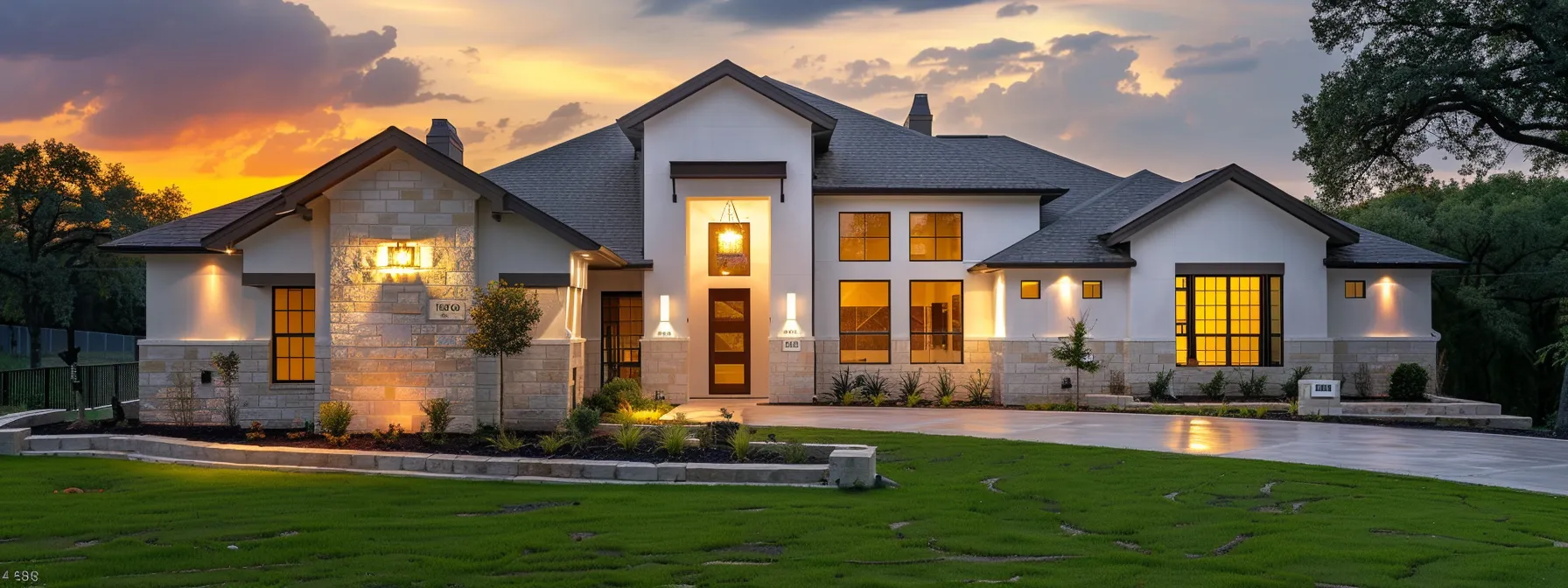
When considering SIP homes, understanding cost factors is essential. Initial investment versus long-term savings plays a vital role, as higher upfront costs can lead to significant savings over time. Labor costs in SIP construction often differ from traditional methods, while budgeting for additional features and technologies can enhance overall efficiency. Maintenance costs for SIP panels may be lower, and exploring financing options for energy-efficient building products can support sustainable choices.
Factor in Initial Investment Versus Long-Term Savings
When considering SIP homes, weighing the initial investment against long-term savings is essential. While the upfront costs of Structural Insulated Panels (SIP) may be higher than traditional building materials, this investment often leads to significant savings over time. Homeowners benefit from lower energy bills due to the superior insulation and airtight construction that SIP panels provide, ultimately delivering a more economical living solution.
Investing in SIP technology also reduces maintenance costs, as these panels are known for their durability and longevity. For instance, homeowners can expect fewer repairs and replacements than conventional materials. By budgeting for SIP construction, both builders and homeowners can recognize these long-term benefits, making sustainable housing a financially sound decision:
Compare Labor Costs Involved in SIP Construction
Labor costs associated with structurally insulated panels (SIP) construction can vary significantly compared to traditional building methods. These prefabricated panels enable quicker on-site assembly, reducing labor time and associated costs. As a result, general contractors can complete projects more efficiently, improving their return on investment and allowing them to take on more projects due to the time saved during the construction phase of commercial buildings.
Moreover, the simplified installation process of SIP panels often requires fewer specialized skills, lowering the demand for highly skilled labor. This shift can further decrease labor expenses, making SIP construction an attractive option for builders seeking to optimize their budgets without sacrificing quality. Understanding the impact of labor costs in SIP construction is essential for those looking to leverage this modern building technique for workforce housing:
Budget for Additional Features and Technologies
When budgeting for Structural Insulated Panels (SIP) homes, considering additional features and technologies is essential for maximizing energy efficiency and sustainability. Incorporating smart home systems, which can monitor and optimize energy usage, enhances comfort and contributes to long-term savings. For instance, integrating solar panels with SIP construction allows homeowners to harness renewable energy, reduce reliance on traditional power sources, and lower utility costs. Among these considerations are new energy codes.
Investing in energy-efficient HVAC systems and appliances also plays a crucial role in the overall performance of SIP homes. These technologies work seamlessly with the superior insulation properties of SIPs, ensuring that heating and cooling demands are minimized. Ultimately, homeowners should assess the costs of these enhanced features against the vast savings they provide over time, reinforcing new energy codes’ appeal for sustainable modern builds.
Estimate Maintenance Costs for SIP Panels
Estimating maintenance costs for Structural Insulated Panels (SIP) is essential for homeowners and builders seeking sustainable housing solutions. SIPs are designed to require less upkeep compared to traditional building materials, as they resist warping, rotting, and pest damage. This durability leads to fewer repairs and long-term savings, allowing homeowners to allocate resources to other areas of their new energy codes for modern builds.
Moreover, regular maintenance tasks, such as inspections and minor repairs, are typically simplified for SIP structures. The closed-cell insulation and rigid outer layers contribute to lower risks of moisture intrusion and air leakage, reducing the chances of costly damage. As a result, understanding the maintenance advantages of SIP panels can help homeowners and general contractors appreciate their value in energy-efficient commercial building products over time.
Understand Financing Options for Green Building Projects
Financing options for green building projects, particularly those utilizing Structural Insulated Panels (SIP), play a crucial role in making sustainable housing more accessible to homeowners and developers. Many financial institutions offer specialized loans and mortgage programs for eco-friendly building practices. For instance, programs through the Federal Housing Administration (FHA) or local green building initiatives may provide incentives such as lower interest rates or reduced down payment requirements, helping to mitigate the higher upfront costs typically associated with energy-efficient building product construction.
Also, rebates and tax credits for energy-efficient homes can ease the financial burden. Homeowners investing in neopor sip panels often qualify for these incentives, recognizing the long-term energy savings resulting from superior insulation and reduced maintenance costs. By thoroughly exploring available financing options, builders and homeowners can benefit from more affordable pathways to achieve their sustainable housing goals with new home construction, ultimately leading to a more eco-conscious construction landscape.
Discover Government Incentives for Sustainable Building
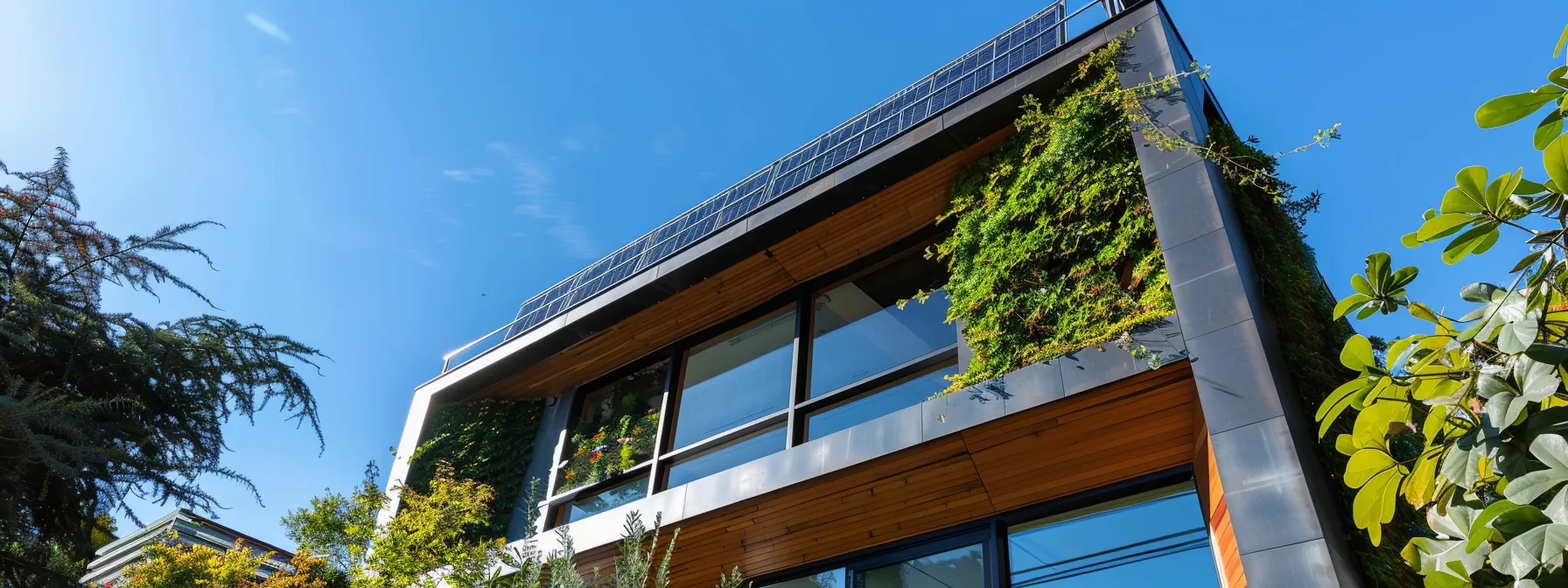
Various government incentives are available to support sustainable building practices, particularly for homes constructed with Structural Insulated Panels (SIPs). This section will explore tax credits for energy-efficient home construction, research local grants for sustainable housing, and discuss zoning incentives for eco-friendly builds. Additionally, it will investigate utility rebates for renewable energy usage and identify certifications that can enhance property value, especially in the context of energy-efficient commercial buildings.
Explore Tax Credits for Energy-Efficient Home Construction
Tax credits for energy-efficient home construction provide significant financial benefits for homeowners and builders utilizing Structural Insulated Panels (SIP). By investing in energy-efficient technologies, such as SIP panels, property owners can often qualify for substantial credits that reduce their overall tax liability. This makes sustainable building practices more attractive, encouraging incorporating innovative materials and methods aligned with energy-efficient commercial building goals.
Research Local Grants Supporting Sustainable Housing
Local grants supporting sustainable housing initiatives can significantly impact the construction of homes using Structural Insulated Panels (SIPs). Many state and local governments offer financial resources to encourage building energy-efficient structures. These grants can alleviate some initial costs associated with SIP panel construction, making sustainable housing options more attainable for homeowners and builders, including workforce housing.
Engaging with local housing authorities or community development agencies often reveals available grants to promote eco-friendly construction. For instance, some regions may fund projects incorporating renewable energy technologies alongside NEOPOR SIP panel construction. Understanding these opportunities allows builders to leverage financial support while contributing to the growth of sustainable housing trends in their communities:
Learn About Zoning Incentives for Eco-Friendly Builds
Local governments often implement zoning incentives to encourage eco-friendly building practices, particularly for structures utilizing Structural Insulated Panels (SIPs). These incentives can be relaxed zoning regulations or expedited permitting processes, which streamline the construction of sustainable homes. By fostering supportive environments for SIP construction, municipalities facilitate energy-efficient housing development and align with broader goals of reducing environmental impact.
Moreover, zoning incentives may include tax reductions or financial contributions for projects that meet specified sustainable criteria, making SIPs an even more attractive option for builders. For instance, regions prioritizing community development may offer incentives for eco-friendly housing, enhancing overall property values while promoting sustainability. Understanding these zoning opportunities equips builders and developers with essential knowledge that can significantly improve the feasibility and success of their new energy codes building products:
Investigate Utility Rebates for Renewable Energy Usage
Utility rebates for renewable energy usage can significantly enhance the financial feasibility of constructing homes with Structural Insulated Panels (SIPs). Many local and state governments offer these incentives to encourage homeowners and builders to invest in solar panels, energy-efficient HVAC systems, and other renewable technologies. By taking advantage of such rebates, developers can effectively lower the overall investment costs of sustainable housing projects, further promoting workforce housing.
Engaging with utility companies is critical for homeowners looking to maximize these benefits. These organizations often provide resources and guidance on programs supporting renewable energy integration. Homeowners utilizing new home construction in their builds will likely see substantial energy savings combined with utility rebates, reinforcing the appeal of sustainable housing solutions prioritizing efficiency and environmental responsibility: energy-efficient building products.
Identify Certifications That Can Enhance Property Value
Certifications related to sustainable building practices can significantly enhance property value for homes constructed with Structural Insulated Panels (SIP). For example, achieving LEED (Leadership in Energy and Environmental Design) certification showcases a commitment to sustainability and attracts eco-conscious buyers who appreciate energy-efficient features. These recognized certifications indicate high performance and durability, making SIP homes more appealing in competitive real estate markets.
Properties certified by ENERGY STAR often command higher resale values due to their proven energy efficiency. Homeowners benefit from lower utility bills and reduced maintenance costs, reinforcing the value proposition of investing in
construction. As sustainable housing continues to gain popularity, these certifications serve as essential tools for builders and homeowners aiming to capitalize on the growing demand for modern, eco-friendly living
Analyze the Future of SIP Panels in Sustainable Construction
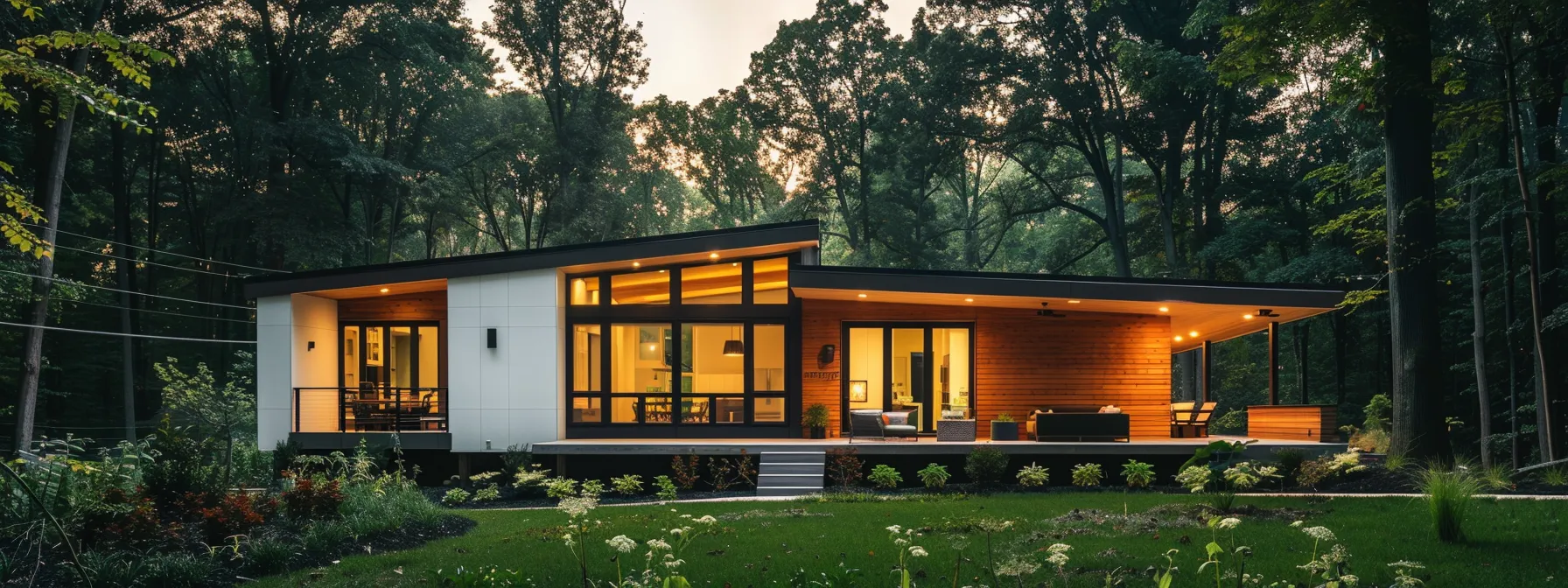
The future of Structural Insulated Panels (SIP) in sustainable construction encompasses several crucial factors. Anticipated advancements in SIP technology and materials aim to enhance energy efficiency and durability. As the market demand for green homes increases, challenges related to SIP adoption may arise. Additionally, emerging trends in sustainable architecture and shifting consumer preferences shape * tract home* innovations. Each of these aspects will be explored to illustrate the evolving landscape of sustainable housing solutions.
Predict Advancements in SIP Technology and Materials
Advancements in structurally insulated panel (SIP) technology are anticipated to focus on improving insulation performance and structural integrity. Innovations such as developing new composite materials could allow for thinner panels that retain superior insulation properties, providing architects and builders with enhanced design flexibility while maintaining energy efficiency. This progress is crucial for meeting the growing demand for sustainable housing that combines durability with modern aesthetics.
Moreover, integrating innovative technology within SIP panels is expected to gain traction. Features such as built-in sensors for energy monitoring and climate control will optimize energy consumption and offer homeowners greater control over their living environments. This trend reflects a broader shift towards eco-friendly construction solutions that prioritize sustainability and align with consumers’ evolving preferences seeking smarter, more efficient homes.
Evaluate Growing Market Demand for Green Homes
The growing demand for green homes reflects a significant shift in consumer preferences towards sustainable living solutions. Homeowners and builders increasingly recognize the long-term benefits of using energy-efficient materials like** sip commercial buildings**, which enhance comfort while reducing energy consumption. This trend is not merely a passing phase; it signifies a proactive approach to building homes that contribute to environmental sustainability and optimize energy use.
Discuss Potential Challenges for SIP Adoption
While Structural Insulated Panels (SIP) have many advantages, specific challenges may hinder their broader adoption. The initial investment cost is a significant hurdle, as SIP panels can be more expensive than traditional materials. Builders and homeowners often hesitate to commit to these upfront costs despite the long-term savings associated with lower energy bills and reduced maintenance expenses.
Another challenge facing SIP adoption is the need for specialized knowledge during installation. Proper installation is critical to maximizing SIP homes’ energy efficiency and structural integrity, but not all contractors know SIP technology. This knowledge gap can lead to inconsistent quality in installations, making prospective buyers cautious about the reliability of SIP construction. Addressing these concerns is essential for promoting the widespread acceptance of sip commercial buildings in sustainable housing trends:
- Challenges in initial investment costs may deter buyers.
- Specialized knowledge for proper installation is often lacking.
- Quality control may vary depending on contractor experience.
Identify Emerging Trends in Sustainable Architecture
As the emphasis on sustainability grows, architects increasingly integrate structural-insulated panels (SIPs) into innovative designs. Emerging trends showcase a blend of modern aesthetics with functionality, where SIP panels allow for open floor plans, large windows, and energy-efficient layouts that cater to eco-conscious homeowners. This adaptability meets the demand for stylish, sustainable houses, making SIPs a preferred choice for contemporary architecture.
Moreover, collaboration among builders, designers, and environmental experts drives the use of renewable resources in architectural projects. Trends like green roofs, passive solar designs, and water conservation systems are becoming standard alongside EPS SIP panel construction. These integrated solutions improve energy performance and address the growing need for environmentally responsible building practices, ensuring modern homes maintain comfort while minimizing their ecological impact.
Understand Consumer Preferences Shaping SIP Innovations
As the emphasis on sustainability grows, consumer preferences increasingly influence the innovations surrounding Structural Insulated Panels (SIPs). Homeowners are now more conscious of energy-efficient solutions and eco-friendly materials, driving builders to prioritize SIP technology that aligns with these values. For instance, many buyers look for homes that provide comfort and durability and minimize long-term energy costs through superior energy-efficient building product properties.
This shift in consumer demand also encourages suppliers to invest in enhanced SIP solutions that incorporate innovative technologies. Home assessments may include energy monitoring systems that help homeowners manage their consumption and costs better. By aligning with consumer needs for functionality and environmental responsibility, new home construction innovations continue to evolve, paving the way for modern, sustainable housing trends that cater to the desires of eco-conscious consumers.
Frequently Asked Questions
What are the main benefits of using SIP panels in sustainable housing?
Using SIP panels in sustainable housing enhances energy efficiency, reduces construction waste, and provides superior insulation. These benefits contribute to lower utility costs, improved indoor comfort, and a smaller environmental footprint, making them an ideal choice for apartment complex building projects.
How are SIP panels currently used in modern home construction?
SIP panels are increasingly utilized in modern home construction for their superior energy efficiency and speed of assembly. These structural insulated panels streamline building processes, reduce waste, and provide excellent insulation, making them a preferred choice for energy-efficient commercial building homeowners and builders alike.
What should I consider when choosing SIP panels for my build?
When selecting SIP panels for your construction project, consider the panel thickness, insulation value, energy efficiency, and structural integrity, ensuring they align with your design needs and SIP commercial building codes for optimal performance and longevity.
What are the cost factors associated with constructing SIP homes?
Cost factors for constructing SIP homes include material expenses, labor costs, design alterations, site preparation, and energy efficiency features. Understanding these elements aids in budget planning for these innovative structural insulated panel systems.
Are there any government incentives for building with sustainable materials?
Many governments offer incentives for projects using sustainable materials, including tax credits, grants, and low-interest loans. Homeowners and builders should investigate local and federal programs that promote energy efficiency and environmentally friendly construction practices.
Conclusion
Sustainable housing trends utilizing Structural Insulated Panels (SIP) are reshaping modern construction with energy efficiency, durability, and design flexibility at the forefront. Builders and homeowners increasingly recognize the long-term benefits of SIP technology, including lower energy bills and reduced environmental impact. By integrating innovative materials and smart technologies, SIPs facilitate a shift toward eco-friendly living that meets today’s growing demand for sustainable solutions. Embracing SIP panels in new home construction enhances property value and contributes to a healthier planet for future generations.
For more information, Contact Big Twig Homes LLC. Email: info@bigtwighomes.com or Fill out our contact form
SIP Panels: The Future of Eco-Friendly and Efficient Home Construction