
Table Of Contents:In this article, we will explore the features and benefits of the Sip Commercial Building.
- Sip Commercial Buildings: A Sustainable Choice for Businesses
- Key Takeaways
- Understanding Structural Insulated Panels in Commercial Settings
- Achieving Superior Energy Efficiency With SIP Business Buildings
- Accelerating Project Timelines Through SIP Construction
- Environmental Advantages of Choosing SIPs for Your Business Building
- Structural Integrity and Design Flexibility in SIP Commercial Projects
- Cost Considerations for Efficient Commercial Building With SIPs
- Practical Implementation of SIP Construction for Businesses
- Real-World Examples of Successful SIP Commercial Buildings
- Frequently Asked Questions
- Conclusion
Sip Commercial Buildings: A Sustainable Choice for Businesses
Are you facing escalating energy costs and long project timelines in commercial building projects? This blog post on SIP Commercial Buildings explains how Structural Insulated Panels improve energy efficiency and speed up construction. Readers will learn about practical implementation and cost-effective design strategies, easing common challenges in commercial construction.
Key Takeaways
- sip systems improve energy efficiency with advanced insulation and engineered wood panels
- Superior construction methods reduce energy expenses and labor costs on commercial projects
- Rigorous manufacturing processes ensure durable, high-quality structures for sustainable buildings
- Offsite panel assembly shortens build times and minimizes weather-related delays
Understanding Structural Insulated Panels in Commercial Settings
Structural insulated panels combine high-performance cores and precise manufacturing techniques to improve energy efficiency and long-term savings. The discussion covers core components, differences from traditional framing methods, and the manufacturing process for commercial-grade SIPs, including considerations for electrical wiring and audit credits. The science behind SIP structural performance offers practical insights for effective design and audit strategies.
Core Components of SIP Construction
SIP construction relies on two key elements: an insulating foam core and structural panels crafted from engineered wood to create a precise, durable envelope; renewable energy principles and compliance with standards such as the inflation reduction act drive reliable performance in commercial settings, ensuring that plumbing systems integrate seamlessly into the overall design:
| Component | Function |
| Insulating Core | Provides thermal resistance and energy efficiency |
| Engineered Wood | Ensures structural stability and design precision |
| Plumbing Integration | Facilitates efficient utility installation within the panel system |
The design of commercial SIP systems is backed by robust engineering, making them a sustainable choice for businesses. Practical experience indicates that the integration of engineered wood and renewable energy standards improves durability while supporting a safe and effective plumbing layout.
How SIPs Differ From Traditional Framing Methods
SIPs offer superior energy conservation, reducing overall cost compared to building structures with oriented strand board and traditional lumber. Businesses benefit from potential tax credit opportunities due to improved energy performance while mitigating inflation risks, and these panels are easily integrated with modern wireless network systems.
Traditional framing methods often fall short in terms of structural precision and energy efficiency, leading to increased maintenance and higher long-term expense. SIPs provide a robust alternative that results in a more streamlined construction process, delivering significant savings and practical benefits that align with sustainable building practices.
Manufacturing Process for Commercial Grade SIPs
Commercial grade SIP manufacturing begins with selecting high-quality lumber and high-performance insulation materials to develop a solid panel core while ensuring consistency in structural insulated panel construction. The process supports sustainable living and green building practices by combining modern production techniques with efficient energy transition methods:
- Precise cutting and shaping of lumber
- Application of premium insulation materials
- Assembling structural components to meet quality standards
The manufacturing process emphasizes efficiency and reliability, and practical insights show that integrating advanced techniques into the production leads to consistent output. This approach not only secures cost savings but also supports sustainable building initiatives that deliver long-term benefits for commercial projects.
The Science Behind SIP Structural Performance
SIP structural performance is supported by engineering that maximizes insulated panel construction, ensuring a reliable, energy-efficient building envelope. The design incorporates robust truss systems that boost structural integrity while addressing user needs for thermal comfort by minimizing heat loss and regulating water infiltration.
Engineered for consistent performance, these panels offer a practical solution that meets the needs of modern commercial projects. The system’s focus on insulated panel construction and precise truss design provides significant benefits, ensuring that users experience enhanced thermal comfort and reduced water-related issues in their commercial settings.
Structural insulated panels offer practical benefits that transform commercial buildings. The next section shows how SIP business buildings save energy and lower costs.
Achieving Superior Energy Efficiency With SIP Business Buildings
SIP commercial structures offer superior thermal performance with advanced walls and roofs, significantly lowering air conditioning demands and heat transfer rates. Their airtight design reduces energy consumption by a notable percentage and meets strict energy codes, ensuring consistent indoor temperatures and protection against external risks like termite damage.
Thermal Performance Advantages of SIP Walls and Roofs
SIP commercial buildings deliver impressive thermal performance advantages that contribute to reduced electricity bills and improved water efficiency, addressing key concerns for homeowners and developers alike. These systems offer a durable, energy-efficient alternative with a proven ability to stabilize indoor temperatures while reducing operational costs:
- Precise fabrication ensures consistent insulation quality
- Reduced reliance on conventional electricity for heating and cooling
- Improved water efficiency through optimized panel integration
- Incentive opportunities that support sustainable building projects
The integration of advanced SIP technology in commercial settings provides actionable benefits for businesses, as energy savings and streamlined performance create a compelling case for investment while reinforcing a commitment to sustainability.
Reducing Heating and Cooling Costs Significantly
SIP business buildings offer lasting savings on heating and cooling expenses, with advanced features that lessen infiltration and improve ventilation. The use of SIP roof panels and sandwich panel construction aids in preventing mold growth while ensuring efficiency in temperature regulation.
The careful design of these commercial structures incorporates high-quality materials that limit air leakage and reduce operational costs significantly. This efficient approach not only maintains a stable indoor environment but also addresses common concerns with mold and related issues by utilizing superior SIP roof panels and sandwich panel systems.
Airtight Construction Benefits for Commercial Spaces
Effective airtight construction in SIP business buildings leads to improved energy efficiency and superior performance in commercial properties for sale by significantly minimizing air leakage. Utilizing high-quality polystyrene insulation and meticulous panel fitting, these structures resist wind pressure and contribute to favorable energy audit outcomes:
| Element | Advantage |
| Wind Resistance | Enhanced stability and reduced infiltration |
| Polystyrene Insulation | Improved thermal performance |
| Tax Incentive | Potential savings on construction costs |
Robust airtight construction not only meets strict energy audit standards but also presents a tangible benefit for investors looking into commercial property for sale by ensuring reduced operational costs and high performance under varying wind conditions.
Meeting and Exceeding Energy Code Requirements With SIPs
SIP commercial buildings meet and often exceed energy code requirements by integrating superior insulated construction that cuts down on greenhouse gas emissions while offering a practical solution for reducing long-term operational costs. This approach not only aligns with modern federal tax incentive programs but also creates opportunities for apprenticeship programs that train skilled workers in sustainable building techniques.
Business buildings constructed with SIPs provide a clear deduction on energy expenses due to their airtight design and efficient insulation, which minimizes energy waste. Industry experts note that these practices support compliance with rigorous energy standards, leading to measurable savings and improved performance for commercial properties.
Consistent Indoor Temperatures for Employee and Customer Comfort
SIP commercial buildings ensure consistent indoor temperatures that benefit both employees and customers by reducing energy consumption and minimizing waste for any prefabricated building project. This construction method effectively curbs thermal bridge issues and manages moisture, resulting in enhanced comfort and lower operational costs for business facilities.
SIP structures create a stable indoor environment that supports sustained productivity and client satisfaction by eliminating temperature fluctuations and providing reliable insulation benefits:
- Optimized energy consumption
- Reduced thermal bridge risks
- Effective moisture control
Strong panels bring both energy savings and speed to the forefront. Next, the promise of faster project completions invites builders to see how SIP construction can shorten your timeline.
Accelerating Project Timelines Through SIP Construction
Offsite panel fabrication enables faster onsite assembly versus traditional stick framing, reducing labor costs and weather delays. Engineers and maintenance teams benefit from an efficient build process that meets International Code Council standards while integrating Internet protocol systems and ample daylight. This streamlined schedule helps businesses become operational sooner with reduced overall construction timelines.
Offsite Panel Fabrication Advantages
Sipa commercial property development leverages offsite panel fabrication to shorten construction periods while meeting Energy Star standards for business projects in the real estate sector, especially for commercial property ventures:
| Advantage | Benefit |
| Controlled Environment | Ensures consistent quality and precision |
| Rapid Assembly | Accelerates project timelines and reduces labor costs |
| Compliance with Standards | Meets Energy Star criteria for efficiency |
Offsite panel fabrication delivers practical benefits by cutting down on onsite delays and streamlining the construction of commercial property, which ultimately reduces operational expenses for business investments in the real estate market. This method provides actionable insights that help developers maintain project efficiency while upholding high standards in energy performance.
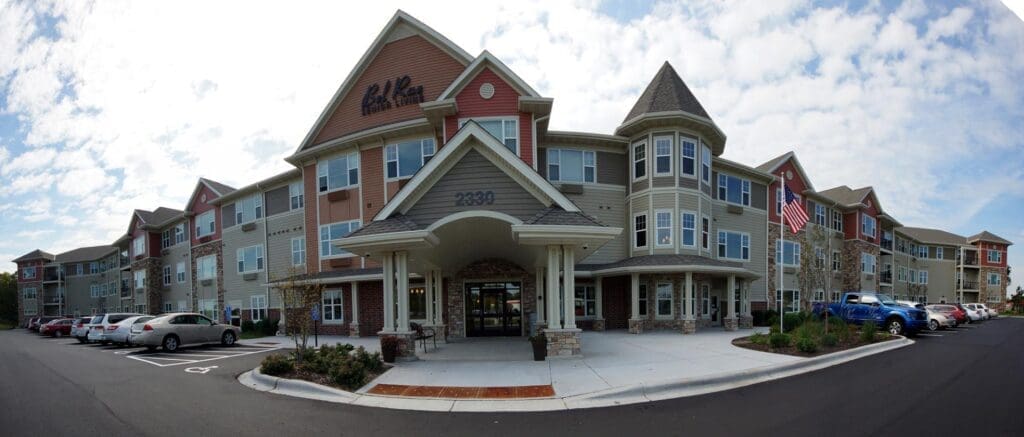
Faster Onsite Assembly Compared to Stick Framing
Using a structural insulated panel approach speeds up onsite assembly compared to stick framing methods, reducing labor expenses and minimizing depreciation risks over time. The integration of foam cores within these panels simplifies installation, allowing teams to transition from framework to drywall application quickly.
The streamlined construction offered by structural insulated panels enhances project timelines, offering a reliable solution to common delays faced by commercial developers. Employing advanced panel techniques that integrate high-performance foam insulation seamlessly with drywall installation improves overall cost efficiency and project delivery.
Reducing Labor Costs and Weather Delays During Building
Engineered for efficiency, innovative SIP commercial buildings reduce labor costs by streamlining installation processes and minimizing weather-related delays during building projects, thereby promoting energy conservation. These benefits, paired with system integrity protection measures, help ensure that construction proceeds smoothly and within schedule:
| Advantage | Benefit |
| Rapid Assembly | Lower labor expenses and minimized downtime |
| Weather Resistance | Stable building conditions and reduced delays |
| Improved System Integration | Enhanced blower door performance and tax incentives support |
Reliable construction schedules and reduced costs make these approaches ideal for businesses aiming to optimize building efficiency. This method not only supports energy conservation objectives but also aligns with available tax incentives and quality assurance practices, providing practical solutions for modern construction challenges.
Getting Your Business Operational Sooner With Efficient Construction
Structural insulated panel systems speed up the construction process, enabling businesses to become operational sooner while reducing wage expenses and improving indoor air quality. This efficient construction method supports precise design and manufacturing practices to deliver an environmentally friendly building solution.
Building efficiency ensures rapid occupancy and smoother project timelines with clear benefits for commercial developments, including:
- Faster onsite assembly
- Cost-effective manufacturing
- Enhanced indoor air quality
- Environmentally friendly design
Streamlining the Building Schedule With Prefabricated Panels
The use of prefabricated panels significantly streamlines the building schedule by reducing onsite assembly time and providing a high-quality building envelope that meets energy standards. This structured process offers clear advantages for every taxpayer managing a project, supporting community growth while ensuring that each project cuts down on labor costs and improves overall efficiency:
| Aspect | Benefit |
| Light | Reduces load and speeds up transportation during construction |
| Community | Enhances local building practices and supports neighborhood growth |
| Building Envelope | Improves insulation and energy conservation properties |
| Tax Return | Offers potential savings that benefit the overall fiscal outlook for the project |
| Taxpayer | Provides cost-efficient construction methods that lower long-term expenditure |
Prefabricated panels not only provide a practical and efficient construction alternative but also align well with sustainable building practices that benefit the community at large. Their efficient use of materials and streamlined installation process enables quicker occupancy, leading to a positive impact on taxpayers’ financial returns while maintaining a robust building envelope.
Timelines shorten as builders turn to high-performance construction. The next section reveals how these smart choices benefit the environment for your business building.
Environmental Advantages of Choosing SIPs for Your Business Building
SIP commercial buildings lower embodied energy in materials and reduce onsite construction waste, contributing to LEED and other green building certifications. This innovation optimizes material use, from steel framing to leasehold estate projects, led by proven methods that create healthier indoor environments. Detailed sections will address these benefits and their practical impact on sustainable business structures.
Lower Embodied Energy in SIP Materials
The use of SIP materials in commercial buildings results in lower embodied energy, reducing the overall environmental impact while providing valuable information for building stakeholders. This approach supports sustainable investment decisions that meet the standards set by SIPA, Sip Panel Association, and the Illuminating Engineering Society.
Engineered SIP structures offer energy efficiency benefits that improve the performance of HVAC systems and reduce long-term operational costs. This method ensures that every building material is optimized for low embodied energy, making it a practical choice for businesses seeking a secure investment in sustainable technology.
Reduced Construction Waste Onsite for Greener Projects
SIP commercial buildings reduce construction waste on-site by streamlining material use, thus supporting sustainability and efficiency in building practices. This advantage helps homeowners and developers control their budget while contributing to a healthier climate by minimizing environmental impact.
Reducing waste during construction offers practical benefits that translate into long-term savings and a lower environmental footprint. Industry experts note that efficient material management in SIP systems addresses key concerns for homeowners and developers, ensuring projects align with sustainability goals and strict budget requirements.
Contribution to Green Building Certifications
SIP commercial buildings contribute to green building certifications by ensuring a high level of energy efficiency while reducing carbon emissions. This construction method helps retail and commercial developers build smarter and meet rigorous energy standards with practical design features that prioritize environmental sustainability.
Green certification programs value the energy-efficient design of SIP projects, which offer measurable savings on energy consumption and carbon footprint. This approach enhances the appeal of commercial properties, allowing investors to build smarter and achieve retail success through improved environmental performance:
| Aspect | Benefit |
| Energy Efficiency | Reduces utility costs and carbon emissions |
| Carbon Reduction | Supports sustainable building standards |
| Retail Viability | Increases property appeal and market competitiveness |
Resource Efficiency Through Optimized Material Use
SIP commercial buildings achieve resource efficiency through optimized material use, ensuring that every wall and component contributes to effective building insulation and lowers energy consumption. This approach supports sustainable energy initiatives and can provide tax credits for projects in states like Tennessee, making it a practical option for businesses seeking cost-effective, environmentally responsible construction solutions.
The efficient use of materials in SIP construction minimizes waste while delivering superior performance through enhanced insulation and thermal resistance. Such carefully engineered designs not only lower ongoing energy costs but also meet stringent environmental standards, offering businesses measurable benefits as they pursue sustainable energy practices in their projects.
Creating Healthier Indoor Environments With SIPs
The commercial construction sector benefits from SIP systems when creating healthier indoor environments, as the tight panel joints reduce air infiltration and improve indoor air quality. Industry experts observe that shifting away from traditional plywood and conventional framing methods can lower the carbon footprint by a significant percentage point, offering a practical solution for businesses aiming for greener credentials.
SIP systems deliver measurable advantages by ensuring consistent insulation and controlled ventilation in commercial structures. This method not only addresses common health concerns by maintaining stable temperature levels but also underscores a commitment to sustainability, reducing energy waste and carbon emissions over time.
Energy savings lead the way. Next, sturdy design and smart planning promise buildings that stand the test of time.
Structural Integrity and Design Flexibility in SIP Commercial Projects
Structures built with SIPs showcase high load-bearing capacity for various commercial uses and resist high winds and seismic activity. They enable open floor plans while integrating SIPs with steel or glulam beams for large spans, as seen in agriculture, construction, house prefabrication, and concrete applications. This section offers practical insights into each design opportunity.
High Load-Bearing Capacity for Various Commercial Uses
Commercial SIP projects deliver superior high load-bearing capacity for various commercial uses, a quality supported by verified data and integration with timber framing systems. The design supports efficient HVAC function while positioning developers to save money over time.
Many experts emphasize that evaluating SIP panels’ prices alongside long-term benefits yields compelling results; data confirms that combining engineered SIPs with timber framing results in a durable, cost-effective structure that optimizes HVAC performance and saves money overall:
- Reliable load support
- Sustainable integration with HVAC systems
- Competitive sips panels price for lasting value
Documented Resistance to High Winds and Seismic Activity
Engineered SIP commercial projects demonstrate documented resistance to high winds and seismic activity, providing a reliable building material for developers seeking a dream structure. The system’s robust design offers peace of mind for the general contractor, ensuring that the building mitigates heat transfer while upholding sustainable design principles:
- Proven structural performance under extreme wind conditions
- Effective seismic load management
- Durable materials that contribute to long-term savings
Industry experts affirm that these panels combine resilient building material with sustainable design, addressing common concerns for those aiming to construct a dream project. The integration of these elements satisfies both general contractors and property owners by reducing operational heat and ensuring structures remain secure under challenging environmental forces.
Creating Open Floor Plans and Unique Architectural Designs
Modern commercial projects that utilize SIPs enable open floor plans and unique architectural designs with efficiency and precision. Industry experts note that sip home builders apply advanced technology to create flexible layouts while integrating options that support a systematic investment plan and reduce tax expenses.
This construction method also allows for the creative use of materials, such as innovative siding systems, that result in attractive and functional designs during every phase of development.
- Efficient space utilization through open floor concepts
- Customization of architectural details with innovative technology
- Integration of strategic investments that minimize tax implications
Integrating SIPs With Steel or Glulam Beams for Large Spans
Integrating structural insulated panels with steel or glulam beams provides a robust solution for large spans in commercial projects, ensuring that the framing maintains high structural integrity while supporting energy management strategies. This innovative method has been validated by a forest products laboratory and EPS Building systems expert, underscoring the practical benefits for businesses seeking durable, cost-effective building solutions that also meet the needs of a charitable organization.
This construction approach leverages advanced engineering practices to deliver open, flexible spaces that support efficient energy distribution and reliable load support. Industry professionals consistently report that combining SIPs with steel or glulam beams results in superior framing that addresses common commercial challenges while creating a sustainable, adaptable environment for modern business operations.
SIP Applications in Diverse Business Building Types
SIP buildings offer versatile applications across various property types, including commercial projects in the southern United States. These systems support design flexibility that accommodates everything from expansive office complexes to small office spaces for rent, reducing energy costs and offering favorable terms for insurance coverage.
Engineered SIP solutions ensure robust structural integrity while allowing developers to create distinct, functional spaces tailored to different business needs. By integrating energy-efficient features into every design, commercial property stakeholders experience long-term savings, including lower maintenance fees and more reliable insurance rates.
The building takes shape with solid strength and a clear vision. Next comes a look at how smart spending shapes projects built to last.
Cost Considerations for Efficient Commercial Building With SIPs
Commercial SIP construction balances initial material costs, such as premium polyurethane thermal insulation, with long-term operational savings. Calculating return on investment reveals benefits, including tax deduction relief on income tax, reduced financing costs from quicker build times, and lowered maintenance expenses on roofs and other components, ensuring significant value for sustainable business investments.
Initial Material Costs Versus Long-Term Operational Savings
Commercial projects that use SIPs building panels benefit from a focused investment in both premium materials and lower long-term operational costs. By adhering to rigorous building code requirements and engineering practices, these structures deliver high energy efficiency levels while reducing air pollution through better insulation and sealed environments.
Experts note that while initial material costs can be higher, the savings on energy expenses and maintenance over time create a favorable return on investment; the holistic approach supports education on sustainable design and operational best practices:
- Precision engineering with SIPs building panels
- Compliance with modern building codes
- Optimized energy efficiency for reduced utility costs
- Minimized air pollution through sealed construction
- Continuous education on sustainable practices
Calculating Return on Investment for SIP Buildings
Calculating the return on investment for SIP buildings involves careful evaluation of initial setup costs versus long-term energy savings. Industry experts note that adopting SIP construction methods can reduce energy consumption through improved insulation around each window and integrated design features, ultimately lowering greenhouse gas emissions and meeting ASHRAE standards.
Analysts emphasize that investing in SIP systems at a factory level not only produces reliable cost savings over time but also creates a more energy-efficient structure. This approach helps reduce expenses and supports a sustainable business model while providing tangible benefits in terms of energy savings and compliance with strict environmental regulations.
Factors Influencing the Overall Price of SIP Construction
Multiple factors affect the overall price of SIP construction, including material choices like high-quality wood, joist design, roofing options, and HVAC system integration, while extra charges may be incurred through social media marketing campaigns to promote sustainable projects:
- Premium wood selection
- Optimized joist design
- Efficient roofing systems
- Modern HVAC system integration
- Strategic social media marketing
Industry experts note that these variables must be carefully balanced to achieve both energy efficiency and cost savings, ensuring that every commercial building project due to SIP construction meets precise sustainability standards.
Potential for Reduced Financing Costs Due to Shorter Build Times
Sip home construction offers the advantage of shorter build times, which directly reduces financing costs when working with companies like Big Twig Homes. This efficiency also supports retrofitting efforts in various types of commercial property projects, while robust EPS technology ensures that projects move quickly without compromising quality.
Faster assembly times allow developers to secure occupancy sooner, easing financial pressures through reduced interest accrual on loans. The integration of advanced manufacturing techniques in sip home construction streamlines retrofitting processes for types of commercial property, making these projects cost-effective and appealing to investors.
Long-Term Maintenance Savings for SIP Structures
SIP structures offer businesses long-term maintenance savings through reduced upkeep requirements and better durability compared to conventional construction methods. Industry experts note that these panels maintain their structural integrity over time, which leads to lower repair costs and fewer operational disruptions for commercial building projects.
Regular assessments reveal that buildings constructed with SIPs experience fewer issues related to moisture and thermal insulation deterioration, ensuring reliable performance over the lifespan of the structure. This consistent performance supports a sustainable approach by lowering overall maintenance expenses and providing a clear cost-saving advantage for investors.
Cost factors weigh heavily on every decision, yet practical methods hold the promise of a smarter build. Businesses now turn to real-world steps that bring efficient construction to life.
Practical Implementation of SIP Construction for Businesses
Experienced SIP designers and installers ensure quality SIP construction while navigating building codes and permits. This section addresses seamless MEP integration, options for future modifications, and essential quality control measures. The detailed insights offer practical expertise for businesses pursuing sustainable and efficient commercial structures with SIP systems.
Finding Experienced SIP Designers and Installers
Experienced SIP designers and installers are essential for successful construction projects as they offer practical guidance and reliable execution of SIP commercial buildings to meet sustainable criteria. Researching qualified professionals with documented project success and favorable client feedback helps businesses make well-informed decisions:
- Review project portfolios
- Check client testimonials
- Assess certification and design expertise
Skilled SIP professionals are adept at integrating structural insulated panels with modern construction requirements, ensuring precise assembly and optimal energy performance. Their comprehensive planning and hands-on approach address common project challenges, making them a valuable resource for developers seeking efficient and sustainable solutions.
Navigating Building Codes and Permitting for SIP Structures
Developers and contractors must work closely with local authorities to ensure that SIP structures comply with all relevant building codes and safety standards. This approach minimizes potential delays during the permitting process while supporting the energy efficiency goals of sustainable commercial buildings.
Industry professionals advise early engagement with regulatory bodies to clarify documentation and inspection requirements for SIP projects. This proactive strategy not only streamlines permit submissions but also ensures that projects continue smoothly without unexpected setbacks related to compliance.
Integrating Mechanical, Electrical, and Plumbing Systems Seamlessly
The integration of mechanical, electrical, and plumbing systems within SIP commercial buildings is executed with precision and efficiency. Experienced professionals ensure that essential systems are seamlessly incorporated into the SIP construction, allowing for reliable operations and compliance with building standards.
This approach helps minimize potential disruptions during installation and reduces the risk of costly modifications later on. By coordinating the design and installation of these critical components, developers can achieve an efficient, sustainable, and high-performing commercial structure.
Considerations for Future Modifications or Expansions
Future modifications in SIP commercial buildings should consider the integration of new technologies with ease. Developers benefit from a design that accommodates additional building systems without compromising energy efficiency or structural integrity.
Expansions planned in sustainable business projects often build on the original SIP framework to maintain performance and cost advantages. Experts recommend consulting with experienced SIP designers to ensure that modifications meet current building codes and continue to deliver optimized energy performance.
Ensuring Quality Control During the SIP Building Process
Quality control during the SIP building process is essential for maintaining energy efficiency and structural integrity in commercial projects. Expert teams routinely conduct onsite inspections and thorough testing of materials to meet the high standards required in sustainable building practices.
Professionals closely monitor the assembly of panels and the integration of mechanical systems to ensure consistent performance throughout the project. Their hands-on approach and detailed review process address client concerns while guaranteeing that every element of SIP construction delivers optimal cost savings and durability.
Real examples now show the strength of these building methods. True stories of solid work lead us to clear, proven success.
Real-World Examples of Successful SIP Commercial Buildings
Office complexes built with structural insulated panels, retail spaces, warehouses, educational centers, and hospitality buildings all showcase the sustainable benefits of SIP construction. These examples highlight energy savings, speed, and efficiency while offering practical insights for businesses committed to sustainable building practices.
Office Complexes Built With Structural Insulated Panels
Office complexes built with structural insulated panels demonstrate excellent energy efficiency and reduced operational costs. Industry experts report that these modern constructions provide a reliable, cost-effective solution for businesses, enabling a controlled indoor environment and notable savings on energy bills.
Developers find that SIP office buildings also streamline construction timelines, allowing businesses to become operational more quickly while ensuring adherence to strict building codes. Building professionals consistently observe that the use of SIPs in office complexes minimizes air infiltration and ultimately supports sustainable projects for commercial investments.
Retail Spaces Benefiting From SIP Energy Savings
Retail spaces built with structural insulated panels demonstrate clear energy savings through efficient insulation and controlled indoor climates. These commercial structures significantly reduce energy consumption, translating into lower operating costs for retailers while supporting long-term sustainability goals.
Industry professionals report that SIP integration in retail settings ensures effective thermal regulation, resulting in a reliable, comfortable environment for customers and staff. This approach addresses common concerns related to rising energy expenses, offering a practical solution for modern retail businesses.
Warehouses and Industrial Facilities Using SIP Construction
Warehouses and industrial facilities constructed with structural insulated panels exhibit outstanding energy efficiency and durability, making them ideal for businesses focused on sustainability. These projects benefit from reduced heating and cooling costs while providing a reliable, cost-effective building solution that meets strict energy standards.
Industry experts emphasize the value of SIP construction in industrial settings, where faster assembly and less operational downtime translate to significant savings and improved performance:
- Reduced energy consumption
- Efficient installation processes
- Lower long-term maintenance requirements
This practical approach offers businesses a viable alternative to traditional construction methods, ensuring that warehouses and industrial facilities maintain a competitive edge in energy performance and operational cost management.
Educational or Community Centers Choosing Sustainable SIPs
Educational and community centers adopting sustainable SIPs benefit from energy-efficient features and rapid construction, ensuring reduced operating costs and improved indoor comfort. These institutions appreciate the streamlined design process and reliable insulation performance provided by SIP commercial buildings:
- Efficient energy use that lowers utility expenses
- Fast assembly times that reduce project delays
- Robust construction that supports long-term sustainability
Professionals report that these structures offer practical solutions to common design challenges, supporting both large and small-scale community projects. Educational and community centers utilizing SIP constructions achieve measurable energy savings and improved operational durability, making them a sound investment for sustainable future growth.
Hospitality Buildings Utilizing SIP Speed and Efficiency
Hospitality buildings constructed with structural insulated panels provide robust energy efficiency and fast build time, resulting in reduced operating costs and improved guest comfort. These projects deliver sustainable solutions that meet modern energy standards while addressing common scheduling challenges for commercial developers.
The streamlined construction process allows quick occupancy and fewer construction delays, offering a practical advantage for hotels seeking cost-effective and eco-friendly designs.
- Rapid onsite assembly
- Lower energy consumption
- Optimized interior environments
Frequently Asked Questions
What benefits do SIPs offer for commercial construction?
SIPs offer superior energy efficiency, robust durability, and quick construction times for commercial projects. They reduce energy costs while providing a resilient framework, streamlining the building process, and guaranteeing lasting performance.
How do sips improve building energy efficiency?
SIPs cut energy costs by reducing air leakage and improving insulation. Their design keeps temperatures steady, resulting in lower energy expenses and increased comfort for homeowners and contractors.
Can SIP projects shorten construction timelines significantly?
SIP construction reduces building timelines through precise fabrication and rapid assembly methods, enabling contractors and developers to achieve faster project delivery without compromising durability or energy efficiency.
What environmental advantages come with SIP-built structures?
SIP-built homes reduce energy consumption through excellent thermal insulation, resulting in lower utility expenses and a smaller environmental footprint while using fewer construction materials and contributing to sustainable, cost-effective building practices.
How does SIP construction affect overall project costs?
SIP construction can lower overall project costs by cutting energy bills, reducing labor time, and minimizing material waste, resulting in a more efficient, cost-effective building process with high performance and reliability.
Understanding the Benefits of SIP Construction: A Conclusion
SIP commercial buildings offer a reliable route for businesses to build energy-efficient and cost-effective structures. Their design integrates precision technology that minimizes energy waste and streamlines construction schedules. Developers and owners benefit from long-term operational savings and reduced environmental impact through optimized material use. These systems clearly demonstrate that sustainable construction methods deliver solid financial and performance advantages for modern business needs.

Contact Big Twig Homes today for more details on SIP panel Construction for your Commercial Projects, Residential, Agricultural, or Industrial needs. Call us at 1 833 244-8944 or email info@bigtwighomes.com