

The Complete Guide to SIP Panel Home Construction: Everything You Need to Know in 2026
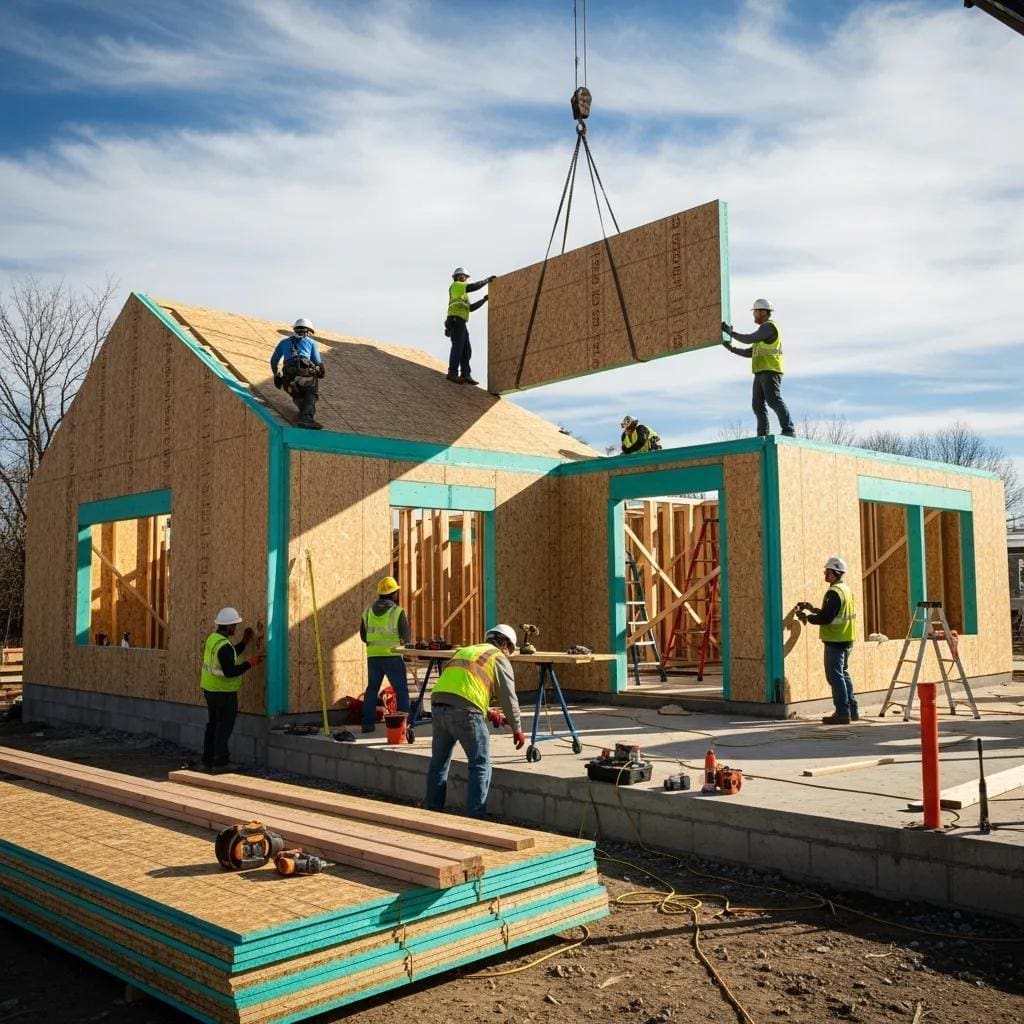
The Complete Guide to SIP Panel Home Construction: Essential Insights and Cost Comparisons for 2026
Structural Insulated Panels (SIPs) are revolutionizing the way homes are built, offering a blend of energy efficiency, speed, and structural integrity. This comprehensive guide will delve into the intricacies of SIP panel home construction, providing you with essential insights and cost comparisons for 2026. As homeowners increasingly seek sustainable building solutions, understanding the benefits and mechanics of SIPs becomes crucial. This article will explore what SIPs are, their advantages, how they compare to traditional construction methods, and key considerations for planning your SIP home. By the end, you will be equipped with the knowledge to make informed decisions about your construction project.
What Are Structural Insulated Panels and How Do They Work?
Structural Insulated Panels (SIPs) are made of a rigid foam insulation core sandwiched between two structural facings, typically oriented strand board (OSB) or plywood. They work by providing superior strength and energy efficiency for various building applications. SIPs minimize thermal bridging, helping to maintain consistent interior temperatures, reduce heating and cooling costs, and promote sustainability in construction. They are known for their rapid construction times and enhanced structural strength, and they often do not require traditional framing support due to their rigidity.
What Materials Compose SIP Panels and Their Benefits?
SIP panels (Structural Insulated Panels) are composed of a rigid foam insulation core sandwiched between two structural facings, typically oriented strand board (OSB) or plywood. The benefits of using SIP panels include superior energy efficiency, rapid construction times, and enhanced structural strength, which provide excellent insulation and reduce energy costs while minimizing waste during installation.
How Has SIP Technology Evolved Over Time?
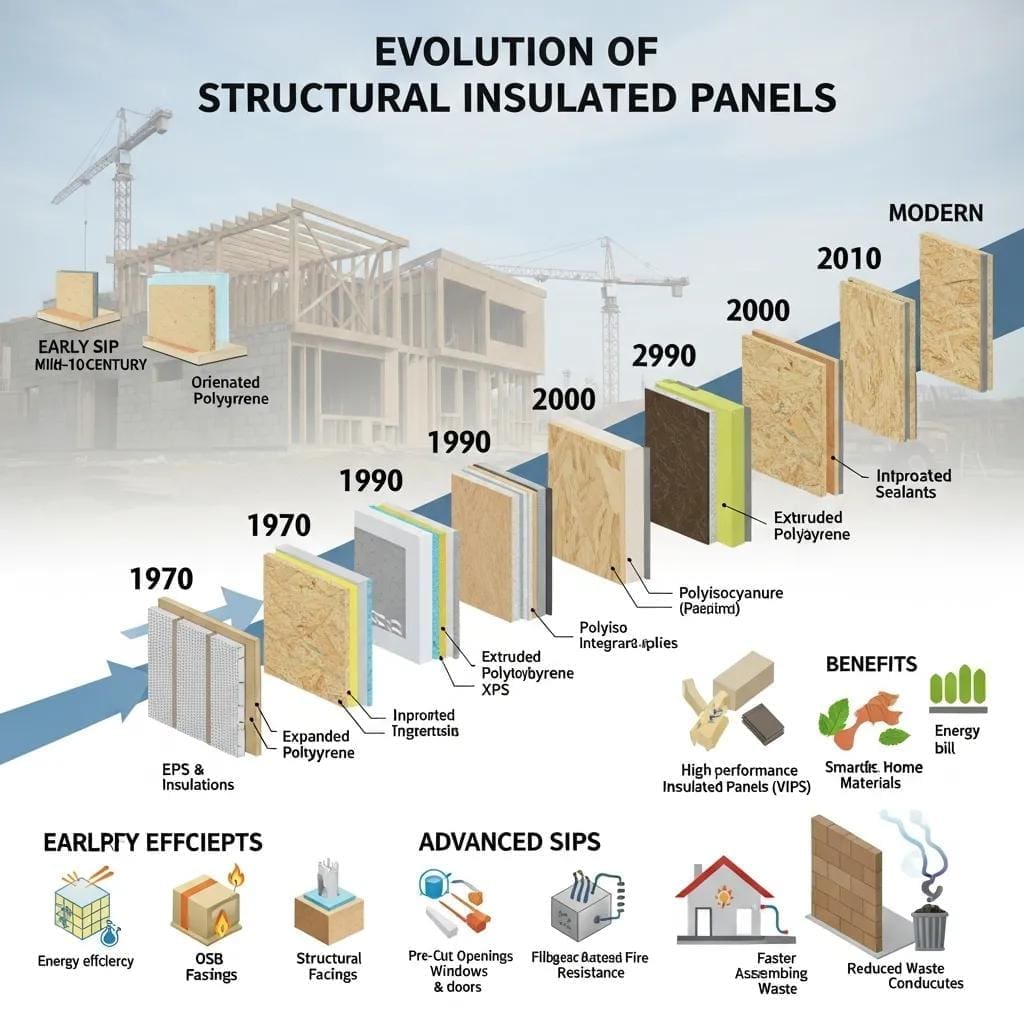
SIP technology has evolved significantly since its inception, with advancements in materials and manufacturing processes enhancing their performance. Initially, SIPs were primarily used in commercial and industrial construction, but their benefits have led to increased adoption in residential projects. Innovations in insulation materials and facings have improved energy efficiency and durability, making SIPs a preferred choice for modern home construction.
The continuous evolution of SIP technology, including material advancements, has also led to increased scrutiny and compliance with modern building codes.
SIPs: Review, Evolution, and Building Code Compliance
This paper presents a detailed review of structural insulated panels (SIPs), on compliance with Canadian building codes. The discussion encompasses the historical evolution of SIPs,
Design Guidelines for FRP-Faced Foam Core Sandwich Panels: Review and Building Code Compliance, R Kassab, 2025
What Are the Key Benefits of Building with SIP Panels?
The key benefits of building with SIP panels include:
- Superior energy efficiency: SIPs provide excellent insulation, reducing energy costs.
- Rapid construction times: The prefabricated nature of SIPs allows for quicker assembly.
- Enhanced structural strength: SIPs offer superior rigidity, often reducing the need for additional framing.
- Excellent insulation: They minimize thermal bridging, maintaining consistent indoor temperatures.
- Minimization of waste during installation: SIPs are manufactured to precise specifications, reducing material waste.
For those considering SIP construction, Big Twig Homes LLC specializes in custom log homes and SIP home packages, ensuring quality and energy efficiency tailored to your needs.
The prefabricated nature of SIPs not only speeds up construction but also aligns with sustainable building practices.
Sustainable SIP Home Construction & Quick Assembly
design, and then shipped to site ready for quick assembly. Onsite, the building envelope are assembled by slotting the panel components together with timber blocks, and fastened with
Structural insulated panels: a sustainable option for house construction in New Zealand?, J McIntosh, 2008
How Do SIPs Enhance Energy Efficiency in Homes?
SIPs (Structural Insulated Panels) enhance energy efficiency in homes by providing excellent insulation, which minimizes thermal bridging and helps maintain consistent interior temperatures. This results in reduced heating and cooling costs, promoting sustainability in construction. Additionally, SIPs have high thermal resistance, effectively reducing heat transfer and contributing to overall energy efficiency.
In What Ways Do SIPs Provide Structural Strength and Durability?
SIPs (Structural Insulated Panels) provide structural strength and durability through their design, which consists of a rigid foam insulation core sandwiched between two structural facings, typically oriented strand board (OSB) or plywood. This construction offers superior strength and rigidity, allowing SIPs to often reduce or eliminate the need for traditional framing support. Additionally, SIPs have high thermal resistance, which helps maintain consistent indoor temperatures and reduces energy costs, contributing to their overall durability and performance. Proper installation and maintenance can further enhance their lifespan, which typically ranges from 50 to 60 years.
How Does SIP Panel Construction Compare to Traditional Framing Methods?
SIP panel construction offers several advantages over traditional framing methods, including superior energy efficiency, rapid construction times, and enhanced structural strength. Unlike traditional framing, SIPs often reduce or eliminate the need for additional framing support due to their inherent strength and rigidity. Additionally, SIPs provide excellent insulation, reducing energy costs and minimizing waste during installation.
What Are the Cost Differences Between SIP Homes and Traditional Builds?
When comparing costs, SIP homes may have a higher initial investment than traditional builds due to the cost of materials and specialized labor. However, the long-term savings on energy bills and reduced construction time can offset these initial costs. Homeowners should consider both upfront and ongoing expenses when evaluating their options.
How Do SIPs Affect Construction Time and Labor Requirements?
SIPs (Structural Insulated Panels) affect construction time and labor requirements by enabling rapid construction due to their structural strength and rigidity, which reduces the need for traditional framing support. This efficiency can lead to shorter building times and potentially lower labor costs.
Research further supports the notion that SIPs contribute to more economical and quicker construction processes.
SIPs: Affordable & Fast Home Construction
Since the emergence of construction technology, construction of affordable and home at fast pace has brought dream home within the reach. Structural Insulated Panel (SIP)
Structural Insulated Panels: Past, Present, and Future., M Panjehpour, 2013
What Should You Know When Planning and Building Your SIP Home?
When planning and building your SIP home, you should know the following:
- Benefits of SIPs: They offer superior energy efficiency, rapid construction times, and enhanced structural strength. SIPs minimize thermal bridging, helping maintain consistent interior temperatures and reducing energy costs.
- Framing Support: SIPs often reduce or eliminate the need for traditional framing support due to their structural strength, but proper installation guidelines must be followed.
- Customization Options: You can customize SIP panel designs in terms of thickness, sizes, layouts, and finishes, allowing you to tailor the structure to your specific needs.
- Insulation Properties: SIPs provide high thermal resistance, sound insulation, and help maintain a consistent indoor climate.
- Lifespan and Repair: SIPs typically last 50 to 60 years and can be repaired if damaged, with minor issues often fixed using patching materials.
- Finishing Options: Various finishes work well with SIPs, including stucco, vinyl siding, wood cladding, and drywall.
How Can You Customize SIP Home Designs to Fit Your Needs?
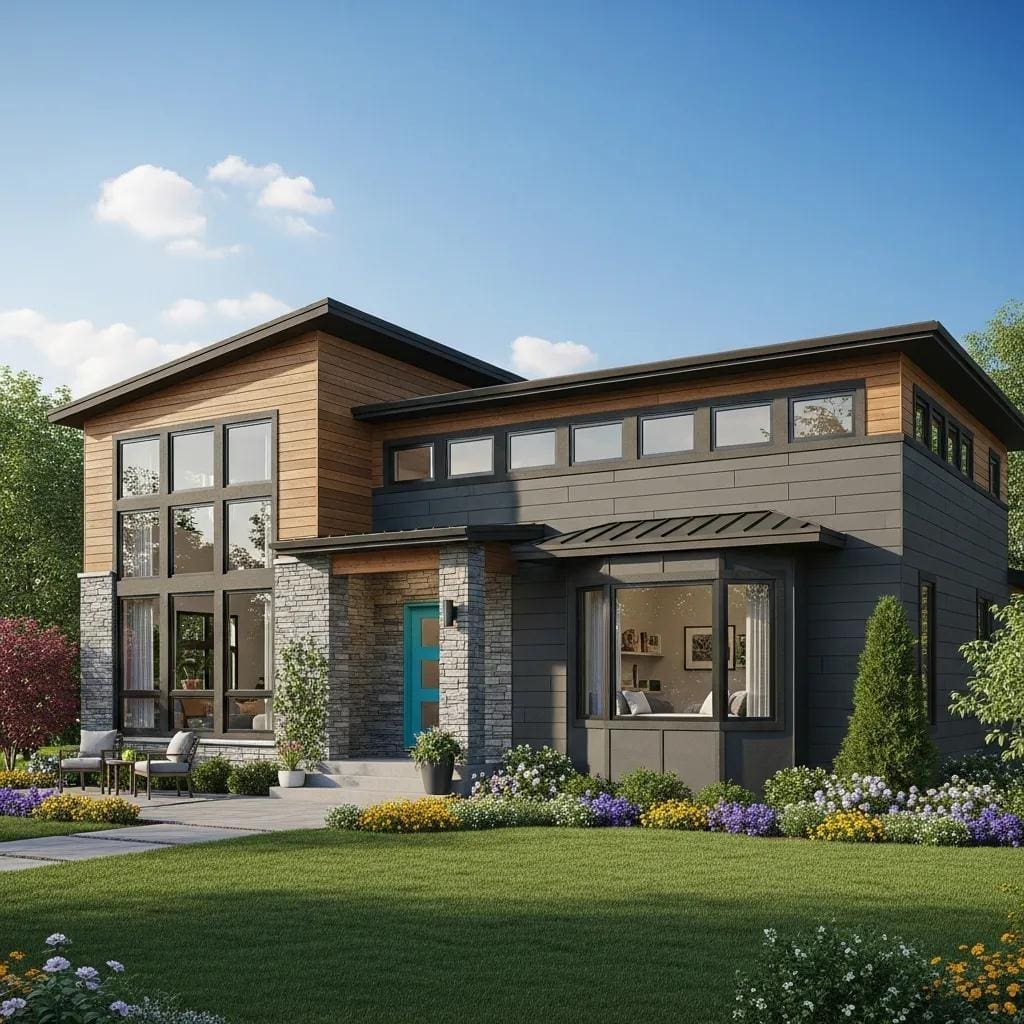
You can customize SIP home designs to fit your needs by selecting from various thicknesses, sizes, and layouts. Additionally, you can choose finishing preferences such as exterior cladding, window placements, and insulation types, allowing you to tailor the structure to meet your specific needs and aesthetic preferences.
What Are the Local Building Codes and Permit Requirements for SIP Homes?
When building a SIP home, it is essential to be aware of local building codes and permit requirements. These regulations can vary significantly by location and may dictate specific construction practices, materials, and safety standards. Consulting with local authorities and experienced builders can help ensure compliance and a smooth construction process.
This comparison highlights the advantages of SIP panels over traditional framing methods, particularly in energy efficiency and construction speed.
SIP panel construction represents a modern approach to building homes that prioritize energy efficiency and sustainability. By understanding the benefits and considerations of SIPs, homeowners can make informed decisions that align with their values and needs. Big Twig Homes LLC is dedicated to providing high-quality SIP home packages that cater to the unique requirements of each client, ensuring a successful and efficient building experience.



