SIP Panels: Enhancing Energy Efficiency in ADUs
SIP (Structural Insulated Panel) technology offers a significant advantage in energy efficiency for Accessory Dwelling Units (ADUs). These panels consist of a layer of rigid foam insulation sandwiched between two structural facings, which provides superior thermal performance compared to traditional building materials. By minimizing thermal bridging, SIPs help maintain consistent indoor temperatures, reducing reliance on heating and cooling systems, ultimately leading to lower energy bills and a smaller environmental footprint.
Additionally, the design versatility of SIPs allows for rapid construction alongside energy-efficient features. Builders can create airtight and highly insulated structures from the outset, leading to improved indoor air quality and occupant comfort. As the demand for ADUs increases, incorporating SIP technology into these constructions becomes essential for meeting both sustainability and efficiency standards.
The Benefits of Building ADUs with SIP Panels
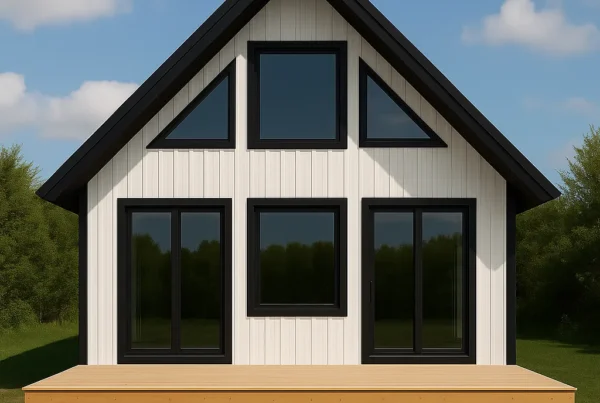
Building Accessory Dwelling Units (ADUs) with SIP panels offers numerous benefits that contribute to both efficiency and aesthetics. SIPs facilitate faster construction times due to their prefabricated nature, allowing homeowners to enjoy their new living spaces sooner. Moreover, the inherent strength and durability of SIPs ensure that ADUs are not only efficient but also built to last, providing homeowners with peace of mind.
In addition to the practical advantages, using SIP panels enables greater design flexibility. Architects and builders can create diverse styles and layouts, accommodating various needs and tastes. This adaptability allows for innovative solutions that can transform any property into a functional and attractive space, meeting the growing demand for affordable housing options.
Future Trends in ADU Development
The future of ADU development is poised for evolution, with increased interest in sustainability and adaptable designs. As urban areas continue to face housing shortages, more homeowners are investing in ADUs to generate rental income while providing affordable living solutions. Trends indicate a focus on integrating eco-friendly technologies and smart home features, enhancing both the functionality and appeal of these units.
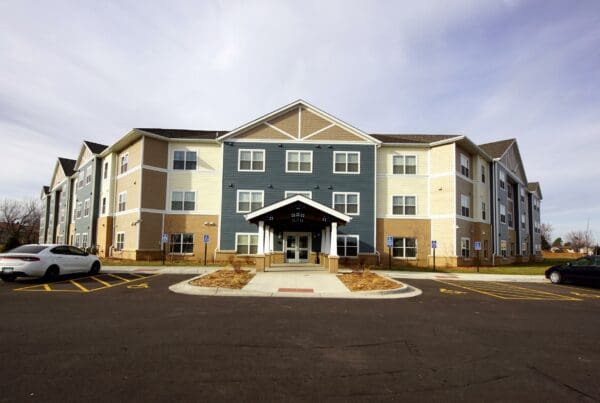
Moreover, community-oriented designs are likely to emerge, fostering social interactions and promoting shared resources among residents. As developers respond to the growing demand for multifamily and mixed-use properties, ADUs will play a pivotal role in shaping urban landscapes. Embracing innovative construction methods, such as SIPs, will further increase the efficiency and attractiveness of these units, meeting both consumer and environmental expectations.