
Overview of the Table of Contents for Cedar and Pine Log Homes
- Cedar Log Homes vs Pine Log Homes: Key Differences and Benefits
- Key Takeaways
- Understanding the Key Differences Between Cedar Log Homes and Pine Log Homes
- Benefits of Choosing Cedar Log Homes
- Advantages of Pine Log Homes
- Log Cabins: A Broader Perspective
- Log Home Kits: Choosing Between Cedar and Pine
- Making the Right Choice for Your Log Home
- Conclusion
Cedar Log Homes vs Pine Log Homes: Key Differences and Benefits
Do you struggle to decide which wood best suits your building project? This post compares cedar log homes and pine log homes, addressing the key differences and benefits of each material. It outlines the strengths of cedar for its energy efficiency and the affordability of pine log homes. Readers will gain insight into selecting the right log home kits, ensuring their project aligns with both design needs and budget goals.
Key Takeaways
- Cedar log homes show superior durability and require less maintenance than pine log homes.
- Pine log homes are in the same price range as cedar, pine is not cheaper if the material packages are equal.
- Both log home types achieve energy efficiency, though cedar offers better thermal insulation.
- Customization options enable tailored construction to meet diverse project requirements.
- Routine inspections preserve the structure integrity and reduce repair costs over time.
Understanding the Key Differences Between Cedar Log Homes and Pine Log Homes

This section reviews durability, aesthetic appeal, insulation, maintenance, and cost differences between cedar and pine log homes. It examines how package-contents of materials impact builds in the mountains, garage enhancements, and design features like glass, all contributing to high customer satisfaction.
Explore the Durability of Cedar Compared to Pine
Cedar lumber is less resistant to decay and insect damage than pine, making it a preferred option for builds near a campsite or in a remote forest setting. Its natural properties reduce the need for chemical treatments, aligning to create a durable, low-maintenance dream home.
Cedar’s inherent structural stability allows for tongue and groove panels that maintain a tight fit, providing a robust build even in varying weather conditions. This reliability positions cedar as a solid choice for projects where long-lasting performance is essential.
Builders often favor cedar lumber for projects that guarantee durability and lasting performance. Its proven track record in residential construction and specialty builds reinforces its reputation as an excellent choice for those pursuing a dream structure in a forest or campsite setting.
Analyze the Aesthetic Appeal of Cedar and Pine Log Homes
Cedar log homes provide a rich, warm appearance that complements detailed timber framing and elevated interior finishes, making them attractive for projects where design matters, from a refined bathroom setting to a stylish floor layout. Pine log homes portray a lighter, refreshing tone that suits modern spaces and pairs well with precise screw-fastened joinery.
A straightforward comparison between cedar and pine aesthetics serves as a design password for quality choices in building style and execution:
Industry professionals emphasize how natural finishes influence overall design, noting that careful attention to elements like precise screw application and balanced floor details results in visually pleasing structures, whether used for a chic bathroom or a conventional living area.
Compare Insulation Properties of Cedar and Pine Logs
Cedar logs demonstrate higher thermal resistance than pine, offering enhanced temperature regulation in construction projects. Builders note that cedar structures often achieve a consistent indoor climate that rivals those built with oak, ensuring a durable, energy-efficient finish.
Pine logs require careful planning and sometimes supplementary insulation to meet a strict budget while delivering competent thermal performance. Many construction professionals relay stories of successful projects where strategic adjustments led to comfortable living spaces, ensuring clients readily skip to content and enjoy their investments.
Both log types perform reliably, yet cedar frequently outperforms pine when maintaining stable indoor conditions across various building stories. Expert insight confirms that choosing the appropriate material can directly influence energy costs and home comfort, consistently supporting informed decision-making in construction projects.
Assess Maintenance Requirements for Cedar and Pine Log Homes
Cedar log houses require less intensive upkeep due to cedar’s natural durability and robust framing methods designed to support quality construction. Some professionals combine traditional and modern techniques in a hybrid approach that further reduces routine maintenance needs in these structures.
Pine log houses may call for more frequent care, particularly when weather conditions challenge the innate qualities of the wood. Attention to critical details such as the bed components in structural systems and precise framing is essential to prolong the life of a log house built with pine.
Industry specialists emphasize that a consistent maintenance schedule benefits both cedar and pine log houses, drawing on principles seen in Amish craftsmanship and modern hybrid practices. This practical strategy equips homeowners with clear guidelines to preserve their log house’s integrity and visual appeal over time.
Evaluate Cost Differences in Cedar and Pine Log Home Construction
Cedar log homes often incur a higher initial expense due to premium wood quality and precise hewing requirements, yet long-term savings in energy performance can offset the cost. Builders observe that superior insulation in cedar log homes contributes to lower annual energy bills, which benefits projects incorporating specialized kitchen layouts and updated plumbing designs.
Pine log homes usually offer a more modest upfront investment, though they may require increased maintenance and occasional enhancements. Experts note that careful hewing practices and routine upkeep can help manage energy costs effectively, ensuring that the overall expenses remain competitive even when modern kitchen and plumbing installations are included.
Cost considerations in log homes construction depend on project scale and material availability, with both cedar and pine options presenting unique advantages. Industry professionals advise that an emphasis on quality hewing, combined with practical solutions for energy efficiency and integrated kitchen and plumbing features, leads to a balanced investment that meets homeowners’ expectations.
Cedar log homes hold strength and purpose that stand distinct. Their straightforward build and true appeal offer strong reasons to choose them.
Benefits of Choosing Cedar Log Homes

Industry experts note cedar log cabins offer natural resistance to decay and insects, ensuring long-lasting structures with superior energy efficiency. Leaders give attention to these benefits as a smart alternative to pine. PDF resources and practical insights support cedar’s environmental merits, highlighting a quality build that meets modern efficiency and durability demands.
Examine Natural Resistance to Decay and Insects in Cedar
Cedar’s natural compounds support wood preservation, protecting log homes from decay and insect damage. Customers value cedar for its proven durability in mountain environments, making it a preferred choice for homestead projects where lasting strength is critical.
The inherent resistance in cedar minimizes the need for frequent treatments, offering a practical solution for builders focused on quality and efficiency. Expert observations underline that this quality safeguards key design areas, including gable details, contributing significantly to customer satisfaction.
Industry professionals note that cedar’s resilience against decay and pest issues streamlines maintenance efforts. Its performance in challenging climates makes it ideal for mountain settings and homestead builds, ensuring that customer investments remain secure and aesthetically sound over time.
Discuss the Longevity of Cedar Log Structures
Industry experts observe that cedar log structures continue to perform exceptionally over time, providing homeowners with enduring quality and energy efficiency. This enduring strength supports every element of the floor plan, from the bedroom to the baths.
Professional builders credit the lasting performance of cedar log homes to careful construction and premium material selection, ensuring every detail inspires pride from the porch to the interior finishes:
- Robust construction methods secure long-term stability
- Custom floor plan designs cater to the unique needs of each bedroom and bath
- Attention to detail on porches elevates the overall home appeal
- Commitment to quality instills pride in both builders and owners
Field records consistently show that cedar log structures retain value over the years, offering dependable performance that meets modern expectations. Builders focus on aspects such as efficient floor plan layouts and well-designed bedrooms, baths, and porches to ensure clients enjoy homes built to last with a lasting sense of pride.
Highlight Environmental Benefits of Cedar as a Building Material
Cedar log homes stand out for their low environmental impact and sustainable production techniques. The wood requires minimal processing, resulting in reduced emissions during manufacturing. Experts note that building with cedar can significantly lower a project’s ecological footprint, making it a preferred material when planning a vacation retreat or incorporating an outdoor shower area.
Many companies rely on cedar for its natural resilience and durability, which contributes to prolonged building life and fewer renovations over time:
Industry professionals recommend cedar for projects located near natural landmarks or used for resort developments. Its low maintenance nature benefits structures in areas like Desoto State Park, where environmental considerations match scenic surroundings. Experts observe that these benefits extend to every wall and room, including spaces designed for a refreshing shower experience in a vacation setting.
Review Energy Efficiency Benefits of Cedar Log Homes
Cedar log homes provide excellent energy efficiency that reduces heating and cooling requirements, resulting in significant savings over time. The natural insulating properties of quality wood contribute to a stable indoor climate, ensuring that every beam of the structure supports energy conservation. Expert builders note that these benefits help homeowners achieve better returns on the price paid for durable construction.
Contractors report that the efficient thermal performance of cedar log houses appeals to clients working in varied settings, whether in a quiet community or in a scenic valley. The wood used in these projects helps reduce energy loss and minimizes fluctuations in indoor temperature. Such reliable performance has set a benchmark for projects that combine sustainability with sound construction practices.
Industry professionals emphasize that selecting cedar contributes to a lower overall energy cost without compromising structural integrity. The careful alignment of beams and the inherent insulation properties of cedar contribute to consistent indoor comfort and reduced operational costs. This practical solution reinforces the value of investing in a system that supports energy efficiency and meets the needs of discerning builders and homeowners alike.
Cedar log homes prove strong and true. Pine log homes step in next, offering their own clear benefits.
Advantages of Pine Log Homes

Pine log homes stand out in affordability and accessibility for home construction projects. Their design versatility and improved thermal efficiency help maintain consistent heat distribution, while advanced truss systems support sustainability and a robust warranty. The popularity of pine log home kits underscores a practical choice for builders seeking dependable and adaptable solutions in modern construction.
Discuss Affordability and Accessibility of Pine Logs
Pine log homes offer a cost-effective solution that supports efficient build practices and meets various project demands, ensuring that customers receive dependable customer service throughout the process.
Industry specialists observe that these homes deliver a practical build option with lower material costs and improved accessibility in rocky regions, resulting in a reliable supply chain for contractors and developers who read project specifications closely:
Contractors and developers find that pine log homes provide a streamlined construction process that fits within budget constraints and offers reliable performance, making them a preferred option for projects in both urban and rocky settings.
Identify Design Versatility With Pine Log Homes
Pine log homes present flexible design options that allow builders to offer unique customization in every package. Their layout versatility supports various architectural features, making these structures suitable for updated interiors and distinctive exteriors.
The adaptable design of pine log homes enables contractors to tailor construction details to meet diverse project requirements. Builders often prepare detailed package options that simplify the planning process, and interested parties are encouraged to contact industry experts for precise project guidance.
Construction professionals note that pine log homes accommodate various aesthetic preferences without compromising strength or efficiency. Each package is configured to blend modern design elements with traditional techniques, providing a reliable solution that clients trust as they contact support for further clarification.
Review the Thermal Efficiency of Pine Log Construction
Recent evaluations indicate that pine log construction achieves competent thermal efficiency that meets modern energy standards. Builders have observed that these homes maintain a stable indoor climate with reliable heat retention during colder periods.
Construction experts confirm that pine log homes feature effective insulation techniques that improve overall thermal performance. Contractors appreciate how this method simplifies maintaining even indoor temperatures during seasonal variations:
Field data shows that pine log construction continues to deliver measurable energy savings while fulfilling design and sustainability goals. Developers rely on its proven performance to provide a balanced blend of efficiency and value.
Assess the Popularity of Pine Logs in Log Home Kits
Pine log home kits continue to win favor among developers and contractors due to their practical features and cost-effective benefits. Professional builders value these kits for their consistent quality and ease of construction.
Industry experts note several factors that drive the popularity of pine log home kits:
- Affordable material costs
- Simplified installation processes
- Adaptable design options
- Reliable supply chains
Technical specialists observe that pine log home kits efficiently solve diverse project requirements. Their performance in delivering stable construction outcomes makes them a trusted option for residential and commercial building projects.
Pine log homes show their true worth with every detail. A broader story unfolds in log cabins, where classic charm meets fresh design ideas.
Log Cabins: A Broader Perspective

Cedar and pine log cabins present distinct styles for various preferences. This section reviews cabin designs, compares customization options for cedar and pine, and outlines sustainable building practices. The expert insights provided help developers and homeowners understand which log cabin solution best suits their project needs.
Explore Different Styles of Log Cabins
Log cabins appear in multiple styles that suit a range of project demands and environmental settings. The differences in design options allow builders to choose between traditional approaches with clarifying craftsmanship and modern applications featuring structural insulated panels for improved energy efficiency.
Design variations in log cabins accommodate projects from residential homes to workforce housing and transitional setups. Options such as log home kits, custom building material packages, and precise wood hewing techniques help professionals tailor projects to meet performance and aesthetic requirements.
Industry professionals note that style selection depends on practical considerations and visual appeal. Detailed material packages support unique design needs, ensuring that projects achieve streamlined construction processes while meeting the standards expected by developers, contractors, and individual homeowners.
Compare Customization Options for Cedar and Pine Log Cabins
Both cedar and pine log cabins allow for flexible customization options that cater to a range of project demands. Builders can adjust design elements such as window configurations, door placements, and interior layout features to meet specific project requirements. This flexibility helps contractors and homeowners achieve a build that aligns with their vision and functional needs.
Customization in cedar cabins often focuses on integrating detailed timber framing and premium finishes that support a warm and traditional aesthetic. Pine cabins, on the other hand, provide a platform for modern design with streamlined features that can be tailored quickly and cost-effectively. This distinction offers clear choices for developers who want to match specific style and budget criteria.
Expert insights reveal that both materials enable practical modifications to suit local conditions and individual preferences. Contractors can offer personalized material packages and design adjustments that enhance energy efficiency and overall build quality. These tailored solutions ensure that each log home project meets rigorous standards while addressing customer priorities effectively.
Discuss Sustainable Building Practices in Log Cabin Construction
Sustainable building practices in log cabin construction support eco-friendly methods and energy efficiency. Industry professionals apply techniques that minimize resource waste while achieving a durable structure suitable for both cedar log homes and pine log homes.
Techniques such as the use of recycled insulation, low-emission materials, and precision-cut wood packages guide builders toward practical sustainability in log cabins:
Integrating these sustainable strategies aligns with modern construction demands and meets client needs for quality and cost-effective solutions. Builders combine these methods with precise project specifications to deliver reliable, environmentally conscious log cabins.
The next part draws attention to the choice between cedar and pine. Each option reveals a different path for building a quality home.
Log Home Kits: Choosing Between Cedar and Pine

Cedar log home kits offer extensive design features and superior durability, while pine log home kits provide cost-effective benefits and flexible options. This section reviews pricing and availability, alongside customer satisfaction data, providing clear insights to help compare material performance and overall value for informed decisions on log home kit projects.
Outline Features of Cedar Log Home Kits
Cedar log home kits include precision-milled cedar logs paired with customizable floor plan designs that support efficient project execution. The kits offer quality components engineered for energy efficiency and long-lasting performance. Their design allows contractors and developers to achieve superior natural insulation without unnecessary complexity.
These kits feature robust joinery techniques and weather-resistant framing that meet the needs of various construction projects. The quality of the cedar material ensures reliable structural integrity and reduced maintenance efforts over time. Their consistent product design provides a dependable solution for projects requiring detailed craftsmanship.
Engineered for precise technical specifications, cedar log home kits streamline the building process while delivering enhanced performance. The focused design criteria help minimize construction delays and simplify installation practices. This efficient approach offers professionals a ready-to-build solution that meets modern standards for quality and durability.
Highlight Benefits of Pine Log Home Kits
Pine log home kits provide an appealing option for professionals seeking affordability without compromising quality. The kits offer a practical approach that supports cost-effective construction and efficient assembly techniques.
Industry specialists note the versatility of these kits, which accommodate a range of design requirements and simplify project execution:
- Reduced initial expenses
- Straightforward assembly methods
- Flexible design configurations
Field experience confirms that pine log home kits not only adhere to budget constraints but also deliver reliable performance, however, are they cheaper when factoring maintenance and higher utilities, no. Their straightforward, detailed plans and consistent quality components allow developers and contractors to achieve successful outcomes on every project.
Compare Pricing and Availability of Cedar and Pine Log Home Kits
Cedar log home kits typically command a higher price due to the quality of the wood and the processing precision required in production. These kits offer superior durability and energy savings over time, making them a solid long-term investment for demanding construction projects. In some cases, if the log home material packages are equal, Cedar can be in the same price range, as this may be the prevalent wood available for the log home manufacture. Which is the case for Moosehead Cedar Log Homes.
Pine log home kits are generally more affordable. Contractors report that this cost-effective option provides access to a reliable supply chain and efficient assembly techniques, ensuring timely project completion:
Industry experts note that reviewing pricing and supply details is fundamental to project planning. They advise clients to carefully compare cedar log home kits with pine log home kits to achieve a balanced build that meets performance and budget requirements.
Analyze Customer Satisfaction for Cedar vs Pine Log Home Kits
Recent feedback shows that professionals and customers value cedar log home kits for their consistent structural performance and efficient energy designs. They praise the robust joinery and precise manufacturing standards that reduce maintenance concerns and long-term value. Cedar log home package can be delivered in 4-6 weeks once ordered
Clients appreciate pine log home kits for their affordability and accessible assembly processes. Surveys indicate that contractors and developers find pine systems effective for on-schedule project delivery and cost control, which meets diverse construction needs.
Market observations reveal that both cedar and pine kits receive favorable reviews based on their distinct benefits. Testimonials suggest that careful selection based on criteria such as durability, efficiency, and cost can significantly boost customer satisfaction in their projects.
Each wood presents its unique strengths that speak plainly to quality and purpose. Next, a straightforward guide shows how practical details shape the choice for a lasting log home.
Making the Right Choice for Your Log Home

The discussion covers factors in choosing between cedar and pine, long-term investment benefits, owner testimonials, and practical maintenance tips. This overview offers clear insights to guide decisions for selecting a log home, ensuring sound investment and simplicity in upkeep for both cedar log homes and pine log homes.
Factors to Consider When Choosing Between Cedar and Pine
When evaluating cedar log homes and pine log homes, stakeholders consider factors such as material durability, maintenance demands, and overall design appeal. The differences in natural properties influence each construction type’s long-term performance and upkeep.
Cost, availability, and energy performance are critical elements in the material selection. Builders and developers observe that while cedar log homes typically require a higher upfront investment, in some cases, they are equal in price. They offer efficient thermal insulation and reduced operating costs over time, and pine log homes present a more economical installation option:
Customization options and supplier support assist decision makers in aligning project goals with the appropriate material choice. Professional insights indicate that clear product packages and expert guidance streamline project planning for both cedar log homes and pine log homes.
Discuss Long-Term Investment Considerations in Log Homes
Long-term investment in log homes is evaluated by analyzing factors like energy efficiency, upkeep costs, and overall durability. Industry experts emphasize that cedar log homes often justify a higher initial outlay with sustainable performance and reduced maintenance. In contrast, pine log homes provide a cost-effective option without sacrificing essential quality.
Professional builders assess key elements that contribute to lasting value in these structures, including material performance and design adaptability:
- Consistent structural integrity
- Efficient thermal performance
- Low maintenance requirements
- Customizable design features
Long-term projects require a clear understanding of cost versus benefit, where cedar and pine log homes offer unique advantages. Industry specialists recommend aligning material choice with project goals to achieve financial efficiency and lasting satisfaction.
Provide Testimonials From Cedar and Pine Log Home Owners
Several homeowners report that their cedar log homes meet and exceed expectations regarding durability and energy performance. Their feedback highlights reduced maintenance efforts and reliable insulation performance, which supports a stable indoor environment. These positive experiences give confidence to prospective buyers who prioritize long-term quality.
Contractors and developers share that pine log homes offer a cost-effective solution without sacrificing structural integrity. They note that the efficient assembly and practical design options make these homes suitable for various project requirements. Testimonials consistently affirm the ease of construction and favorable performance of pine-based systems in diverse settings.
Industry professionals observe that customer satisfaction remains strong for both cedar and pine log homes. Owners emphasize that tailored design packages and robust building practices deliver dependable results and improved energy efficiency. These testimonials provide valuable insights for choosing the right material to suit their specific project demands.
Share Tips for Maintaining Your Cedar or Pine Log Home
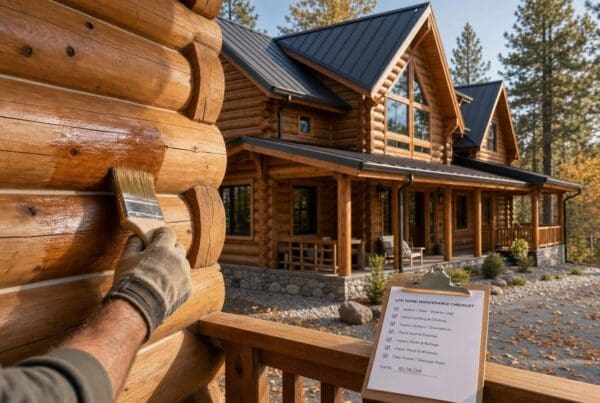
Maintaining a quality log home involves routine inspections and prompt attention to wear and tear. Experts recommend regular checks on both cedar log homes and pine log homes to identify any issues before they escalate into significant concerns.
Industry professionals stress the importance of a systematic approach that outlines essential maintenance tasks. A straightforward checklist can simplify upkeep and minimize repair costs by reminding contractors of key actions to undertake during each inspection:
Specialists advise that adhering to these guidelines not only preserves the natural beauty of log homes but also minimizes long-term repair expenses. Consistent, scheduled maintenance practices ensure that every cedar log home and pine log home performs at its best over time.
Conclusion
The analysis clarifies the unique attributes of cedar and pine log homes in terms of durability, energy efficiency, aesthetics, and maintenance. Cedar log homes provide enhanced longevity, improved thermal insulation, and minimal upkeep that support sustainable construction practices. Pine log homes deliver an economical approach with straightforward assembly and adaptable design options, appealing to a wide range of building projects. Stakeholders use these insights to make informed material choices that optimize project performance and long-term satisfaction.
For more details contact Big Twig Homes LLC. Email: info@bigtwighomes.com or fill out our contact form for more information.