Future of New Home Construction: Robotics, Integrated Panels
The integration of robotics in the construction sector is poised to revolutionize traditional building practices. By employing advanced robotic systems, builders can achieve faster construction times and higher precision in assembly, reducing the risk of errors that often occur in manual labor. As construction technologies advance, robotic systems are capable of handling repetitive tasks, allowing human workers to focus on more complex aspects of design and oversight.
Moreover, the incorporation of integrated panels, such as SIPs, enhances energy efficiency and structural integrity, further streamlining the construction process. These panels work in concert with robotic systems to minimize waste and ensure that projects meet sustainability standards without sacrificing quality. As this trend grows, it showcases the potential for a new era of construction where innovation and efficiency go hand in hand.
Developers Guide to ADUs & Transitional Housing – Big Twig Homes LLC.
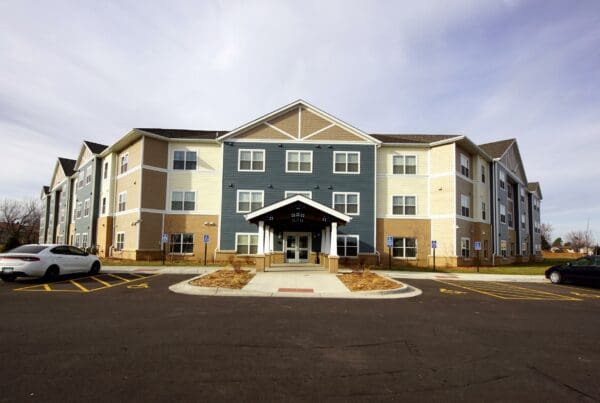
Accessory Dwelling Units (ADUs) are increasingly recognized as a viable solution to the housing crisis facing many communities. As urban areas become more densely populated, the demand for additional housing without significantly altering existing neighborhoods has surged. Developers are called upon to innovate and design ADUs that not only provide functional living spaces but also integrate seamlessly with the surrounding environment.
Furthermore, the creation of transitional housing supports vulnerable populations, including those facing homelessness or displacement. By investing in ADUs and similar projects, developers can play a pivotal role in addressing the housing shortage while contributing to social welfare. This trend highlights the opportunity for developers to engage in meaningful work that addresses immediate housing needs while enriching the communities they serve.
SIPs: A Comprehensive Guide
Structural Insulated Panels (SIPs) are emerging as a staple in modern construction due to their superior performance and efficiency. These panels consist of an insulating foam core sandwiched between two structural facings, allowing for better thermal performance and rapid assembly. This comprehensive approach not only saves on construction time but also reduces the overall energy consumption of buildings, making them environmentally friendly choices for builders and homeowners alike.
Moreover, the versatility of SIPs opens doors to various architectural styles and applications, from residential homes to commercial buildings. Their adaptability means they can be designed to meet specific climate and environmental challenges while still delivering superior structural strength. As awareness of sustainable building practices increases, SIPs will likely continue to gain traction as a preferred option for environmentally conscious builders and developers.