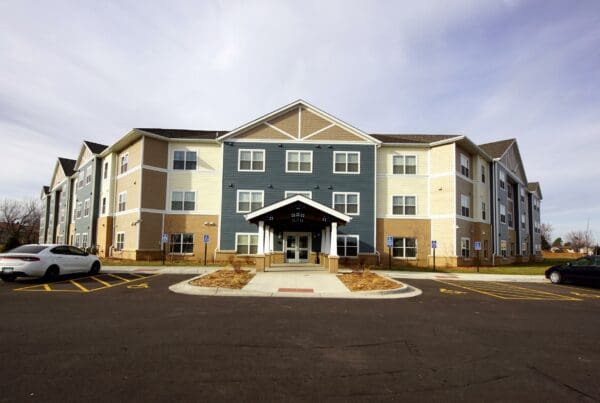
Structural Insulated Panels (SIPs) provide a range of benefits that make them an appealing choice for modern construction. One of the primary advantages is their excellent insulation properties, which significantly reduce energy consumption in homes and commercial buildings. This leads to lower utility bills and a reduced carbon footprint, making SIPs a sustainable option for any building project.
Additionally, SIPs are incredibly versatile and can be used in a variety of building types, from residential to agricultural structures. Their prefabricated nature allows for quicker assembly on-site, which not only saves time but also minimizes labor costs. As the industry moves towards more efficient building practices, SIPs stand out as a solution that meets both environmental needs and economic demands.
Design Flexibility with SIPs
One of the standout features of Structural Insulated Panels is their design flexibility. Architects and builders appreciate how SIPs can be tailored to fit a wide range of design specifications, from traditional to modern aesthetics. This adaptability allows homeowners and commercial developers to create unique buildings that stand out and meet their specific needs.
Moreover, the inherent strength of SIPs enables larger spans and fewer structural interruptions compared to traditional framing methods. This can lead to open floor plans and expansive living spaces, providing a more enjoyable and versatile experience within the building. Overall, the design flexibility of SIPs empowers clients to realize their architectural visions without compromising on performance or efficiency.