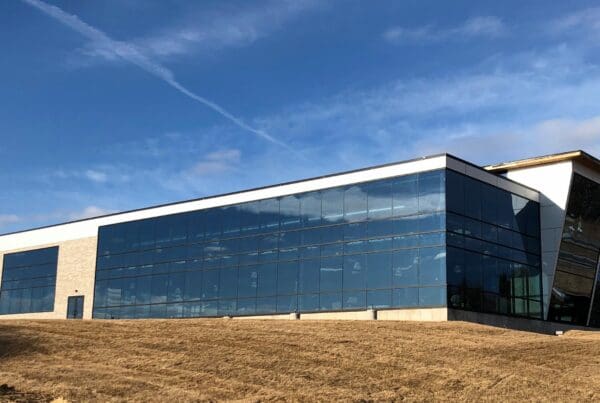
Understanding the Benefits of Structural Insulated Panels
Structural Insulated Panels (SIPs) are increasingly recognized for their numerous benefits in construction. One of the most significant advantages of SIPs is their ability to provide superior insulation, which leads to lower energy costs over time. The solid foam core between the two layers of structural board not only increases R-value but also reduces air leakage, making buildings more energy-efficient and comfortable for occupants.
Moreover, SIPs contribute to faster construction times compared to traditional building methods. These panels are prefabricated in a factory setting, allowing for quick assembly on-site, which can save both labor costs and time. The ease of installation combined with their durability means that homeowners can move into energy-efficient structures sooner, enhancing overall satisfaction with the construction process.
Innovative Uses of SIPs in Modern Architecture
Modern architecture has increasingly embraced the use of Structural Insulated Panels for their versatility and design possibilities. Architects and builders are able to create dynamic shapes and large open spaces that are not easily achievable with traditional materials. SIPs allow for creative visions to be realized without compromising on strength or performance, resulting in unique and aesthetically pleasing designs.
Furthermore, the use of SIPs is not limited to residential projects; their strength and energy efficiency make them ideal for commercial buildings as well. Innovative uses include creating energy-efficient retail spaces, sustainable office buildings, and even community facilities. This adaptability of SIPs plays a significant role in promoting sustainability throughout various sectors of construction, aligning perfectly with the growing emphasis on eco-friendly practices in the industry.
Challenges and Considerations in Using SIPs
While Structural Insulated Panels offer numerous benefits, there are challenges and considerations to keep in mind when opting for this construction method. One major concern is moisture management, as improper installation or lack of adequate ventilation can lead to mold growth and structural issues over time. It is crucial for builders and homeowners to understand the importance of a proper seal and moisture control measures in their SIP projects.
Additionally, the initial cost of SIPs can be higher than traditional framing materials, which might deter some budget-conscious builders. However, it is essential to consider the long-term savings associated with energy efficiency and reduced labor costs. By weighing these factors, homeowners and builders can make informed decisions regarding the use of SIPs, ensuring successful and sustainable construction outcomes ultimately.