```
Advantages of SIP Panels in Modern Construction
SIP panels, or Structural Insulated Panels, offer numerous advantages that make them a preferred choice in modern construction. One of the most significant benefits is their efficiency; SIPs can drastically reduce build times compared to traditional framing methods. The panels are manufactured off-site, allowing for quicker assembly on-site, ultimately leading to less labor investment and faster project completion.
Additionally, SIPs contribute to a reduction in material waste during the construction process. Because these panels are precision-engineered, there is less leftover material compared to conventional methods, which often generate considerable waste. This efficiency plays a significant role in making home construction more environmentally friendly, aligning with the increasing demand for sustainable building practices.
The Insulation Benefits of SIP Panels
The superior insulation properties of SIP panels cannot be overlooked when discussing their benefits. Constructed with a foam core sandwiched between two layers of structural material, SIPs offer a high R-value, indicating excellent thermal resistance. This superior insulation keeps homes warmer in the winter and cooler in the summer, which contributes significantly to energy savings on heating and cooling costs.
Moreover, the airtight nature of SIP panels minimizes drafts and air leaks, further enhancing their energy efficiency. By ensuring that homes maintain consistent temperatures, SIPs not only provide comfort but also reduce the reliance on heating and cooling systems. This, in turn, contributes to a lower carbon footprint, making SIPs an eco-conscious choice for home builders and owners alike.
Applications of SIP Panels in Home Design
SIP panels can be utilized in a variety of home designs, showcasing their versatility and adaptability across different architectural styles. From traditional log cabins to modern minimalist houses, SIPs can be tailored to fit a variety of design preferences while maintaining structural integrity. Their ease of customization allows architects and builders to innovate and create unique spaces that cater to the specific needs of homeowners.
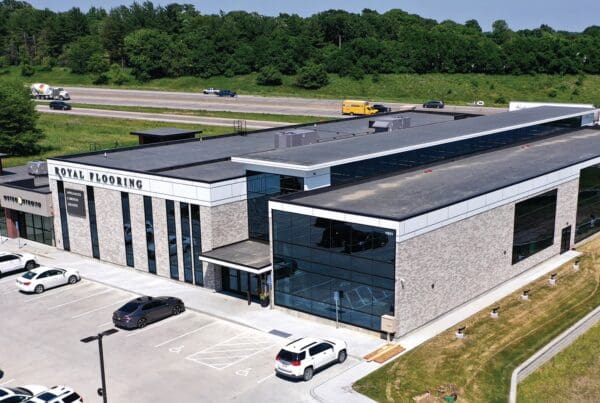
In addition, SIP panels can be employed in various types of buildings beyond homes, including commercial structures, schools, and recreational facilities. Their strength and efficiency make them suitable for projects that require swift assembly without sacrificing quality or durability. As the demand for efficient building methods rises, SIP panels are likely to gain widespread acceptance in various sectors of the construction industry.