Understanding Accessory Dwelling Units (ADUs)
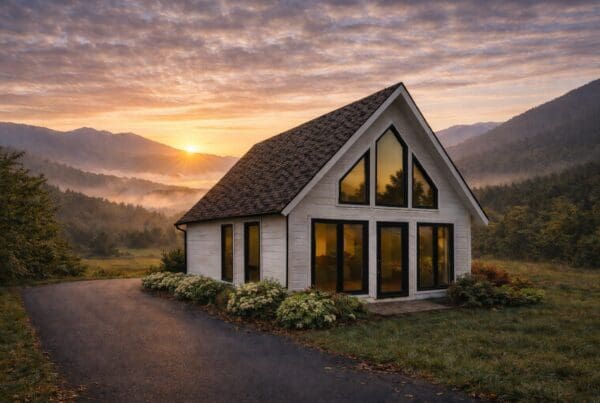
Accessory Dwelling Units (ADUs) are secondary housing units located on the same lot as a primary residence. They provide homeowners with flexible living options, whether for family members, guests, or rental income. ADUs can take various forms, including basement apartments, garage conversions, or standalone units, making them a versatile solution for housing needs.
In recent years, the popularity of ADUs has surged due to their affordability and ability to increase property value. Many municipalities are now encouraging ADU development through relaxed zoning laws and incentives, reflecting a growing recognition of their role in addressing housing shortages. For example, North Carolina offers specific guidelines and incentives to promote ADU construction, making it an attractive option for homeowners.
Benefits of Building an ADU
Building an ADU can offer numerous benefits to homeowners, including increased property value, additional rental income, and enhanced living flexibility. Homeowners can leverage ADUs to accommodate aging relatives or provide a private space for guests, all while maintaining their primary home's integrity.
Moreover, ADUs contribute positively to community dynamics by providing affordable housing options. They can help alleviate housing shortages in urban areas, allowing families to stay close together while also creating opportunities for rental income. This dual benefit makes ADUs a win-win for many homeowners looking to enhance their living situation.
Financing Options for ADUs
When considering the construction of an ADU, understanding the available financing options is crucial. Homeowners can explore various avenues, such as home equity loans, personal loans, or specialized ADU financing programs. Each option has its advantages and can be tailored to fit different financial situations and project scopes.
Additionally, some states offer grants and incentives specifically for ADU construction, which can significantly reduce upfront costs. For instance, North Carolina has programs that provide financial assistance for homeowners looking to build ADUs, making it a more accessible option for many. It’s essential to research and evaluate all potential financing methods to make an informed decision that aligns with your budget and goals.
Design Considerations for Your ADU
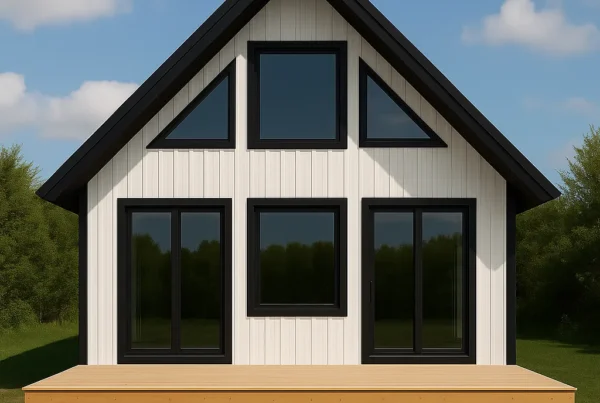
Designing an ADU involves careful consideration of both functionality and aesthetics. Homeowners should think about the layout, size, and style of the unit to ensure it complements the primary residence while meeting the needs of future occupants. Key design elements include maximizing space efficiency and ensuring adequate natural light.
Furthermore, incorporating sustainable building practices and materials can enhance the ADU’s appeal and reduce environmental impact. For example, using energy-efficient appliances, solar panels, and sustainable materials not only contributes to lower utility costs but also aligns with modern eco-friendly living trends. Engaging with an experienced architect or designer can help bring your vision to life while adhering to local building codes and regulations.