SIP Panels: The Future of Eco-Friendly and Efficient Home Construction
The construction industry is rapidly evolving, and Structural Insulated Panels (SIPs) are at the forefront of this transformation. These advanced building materials offer unmatched energy efficiency, a smaller environmental footprint, and faster construction timelines. SIPs are becoming the go-to choice for builders, architects, and homeowners seeking to create durable, high-performance, and eco-friendly buildings. In this comprehensive guide, we’ll explore what SIP panels are, their numerous benefits, and how they shape sustainable construction’s future. Whether you’re planning a new build, renovating, or exploring options for commercial projects, SIP panels can impact your project’s success.
What Are SIP Panels?
Structural Insulated Panels (SIPs) are prefabricated building materials with a rigid foam insulation core sandwiched between two structural facings, typically oriented strand board (OSB), but sometimes metal or plywood. The foam core is made from expanded polystyrene (EPS), extruded polystyrene (XPS), or Neopor foam, each known for its superior insulation properties. This innovative design results in a material that combines exceptional thermal performance with structural strength, making SIPs a modern and efficient alternative to traditional building methods.
Because SIPs are manufactured in controlled factory settings, they arrive at construction sites ready for assembly. This prefabrication process minimizes on-site waste, reduces construction timelines, and lowers overall costs—all while ensuring consistent quality and performance.
Why Choose SIP Panels for Your Home?
SIP panels represent the future of building for several reasons, offering benefits that far exceed those of conventional materials like wood framing and brick:
1. Exceptional Energy Efficiency
SIP panels provide a high level of insulation by reducing heat transfer and virtually eliminating air leaks. Homes built with SIPs are up to 50% more energy-efficient than those constructed with traditional methods. The U.S. Department of Energy estimates that SIP-built homes can reduce energy costs by 50-60%. This translates to significant savings on heating and cooling bills while maintaining a comfortable indoor environment year-round.
2. Faster Construction Times
Because SIPs are prefabricated, they require much less time to assemble on-site. This can reduce overall construction time by up to 40%. Builders benefit from lower labor costs and fewer delays caused by weather or other variables. For homeowners, this means moving into their dream homes faster.
3. Superior Strength and Durability
SIPs provide both insulation and structural integrity in a single product. They are engineered to withstand extreme weather conditions, including hurricanes, tornadoes, and earthquakes. SIP-built homes are also resistant to mold, pests, and rot, which means fewer long-term maintenance issues.
4. Environmentally Friendly
Traditional construction often generates significant waste during the framing and insulation process. In contrast, SIPs are made precisely, reducing on-site waste by up to 80%. Many manufacturers prioritize sustainability by using recycled foam cores and wood from responsibly managed forests, further enhancing the eco-friendly appeal of SIP panels.
How SIP Panels Save You Money
Although SIPs may have a higher upfront cost than conventional materials, their long-term savings make them a wise investment. Here’s how:
Lower Energy Bills: The airtight construction of SIPs significantly reduces heating and cooling needs, saving homeowners hundreds or even thousands of dollars annually.
Smaller HVAC Systems: SIP homes maintain consistent indoor temperatures, enabling the use of smaller, more efficient HVAC systems. This lowers installation costs and reduces ongoing energy expenses.
Reduced Maintenance Costs: SIPs resist common issues like mold, rot, and pest infestations, which means fewer repairs and lower maintenance costs over time.
Tax Credits and Incentives: Many local, state, and federal programs offer rebates or tax credits for energy-efficient construction. SIP homes often qualify for these financial incentives, further reducing overall costs.
SIP Panels in Action: Applications and Versatility
SIP panels are incredibly versatile and can be used in a wide variety of construction projects, including:
1. Custom Homes
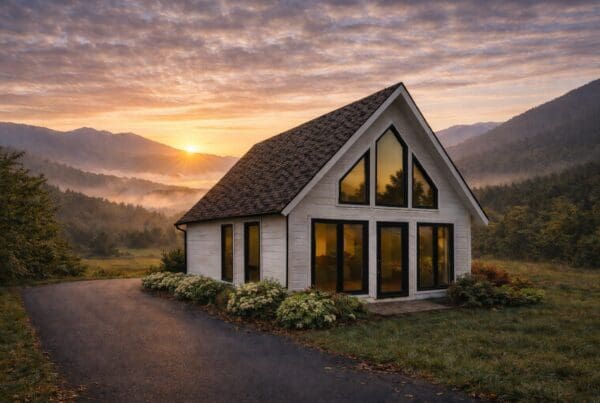
SIPs are ideal for building custom homes, as they provide energy efficiency, flexibility in design, and reduced construction time. Whether you’re designing a modern masterpiece or a cozy cabin, SIPs offer the versatility to bring any vision to life.
2. Multi-Family Housing
SIPs deliver cost savings through faster construction and lower energy consumption per unit for developers working on apartments, duplexes, or other multi-family housing projects. They are an excellent choice for affordable and sustainable housing initiatives.
3. Commercial Buildings
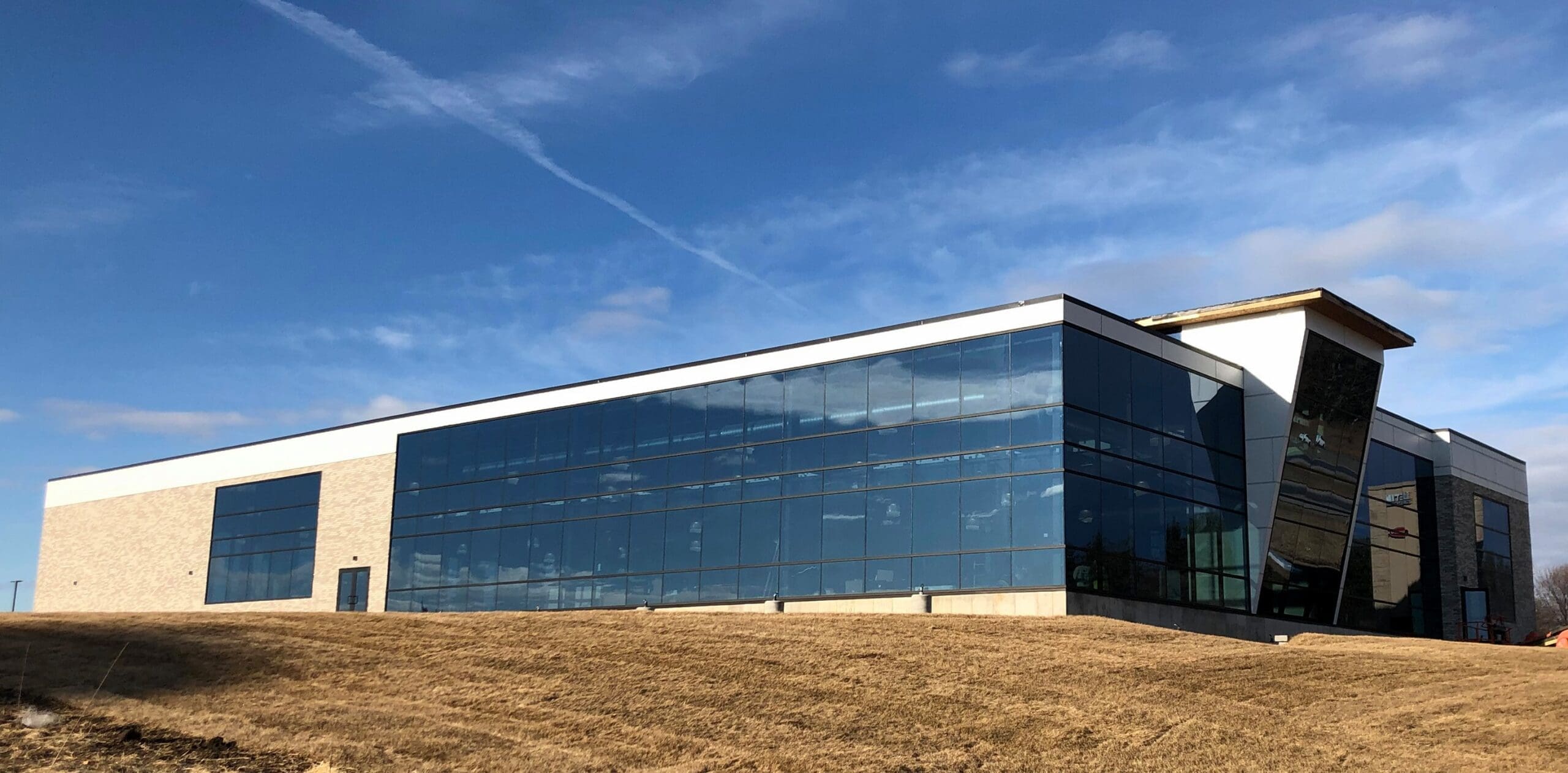
SIPs are increasingly popular in commercial construction, from schools and offices to retail spaces. Their insulation and durability help businesses lower operating costs while creating comfortable and efficient work environments.
4. Modular and Prefabricated Homes
SIPs are a staple in modular and prefabricated construction. Their quick assembly and lightweight design make them perfect for these applications, providing a sustainable and cost-effective building solution.
5. Emergency and Disaster Relief Housing
In disaster-prone areas, SIPs can be used to construct durable and safe emergency housing quickly. Their ability to withstand severe weather conditions makes them an invaluable resource for disaster recovery efforts.
6. Outdoor and Specialty Structures
SIPs aren’t just for homes and offices. They’re also used to build greenhouses, pool houses, workshops, and other outdoor structures. Their superior insulation ensures energy efficiency in any climate.
The Environmental Impact of SIP Panels
SIPs are a sustainable building solution that benefits the planet in several ways:
Lower Carbon Footprint: SIPs reduce energy consumption by up to 60%, helping to cut greenhouse gas emissions associated with heating and cooling.
Reduced Construction Waste: Precision manufacturing reduces on-site waste by up to 80%, conserving resources and reducing landfill contributions.
Sustainable Materials: Many SIP manufacturers use eco-friendly practices, such as sourcing wood from certified forests and incorporating recycled foam.
Improved Indoor Air Quality: The airtight construction of SIP homes prevents drafts and air leaks, reducing the infiltration of pollutants, allergens, and dust.
Big Twig Homes: Your SIP Experts
Big Twig Homes is a leader in sustainable and energy-efficient construction. It specializes in SIP panel homes, Buildings, and workforce housing. Big Twig Homes helps homeowners, developers, and commercial builders create high-performance buildings that stand the test of time. Its team combines expert craftsmanship with innovative materials to deliver projects that are not only eco-friendly but also cost-effective.
When you choose Big Twig Homes, you’re partnering with professionals who understand the value of SIP panels in creating durable, efficient, and beautiful spaces. Whether it’s a custom home, a commercial building, or a modular project, Big Twig Homes ensures every detail aligns with your vision and sustainability goals.
Big Twig Homes has been in the Log Home and SIP Panel business for over 30 years. We specialize in Cedar Log Homes and Structural Insulated Panel Homes and Buildings. Big Twig Homes Services all of The Southeastern United States, North Carolina, South Carolina, Georgia, and Tennessee with Log Home packages and Log Home Kits. We also Provide SIP Panel kits for Sip Homes and Sip buildings.
roof, foam, structural insulated panel, heat, building envelope, sustainability, wall, environmentally friendly, window, green building, oriented strand board, waste, climate, lumber, construction, timber framing, thermal insulation, floor, extreme weather, polystyrene, cost, polyurethane, wood, manufacturing, wind, factory, carbon footprint, indoor air quality, pollution, renewable energy, heat transfer, climate change, carbon, efficiency, passive house, mortgage, recycling, request a quote, homeowner, consumption, design, framing, sustainable living, drywall, space, water damage, tennessee, siding, affordable housing, architect, construction waste, soundproofing, greenhouse gas emissions, return on investment, snow, investment, energy, building material, infiltration, global warming potential, canada, house, envelope, building insulation, tax, energy conservation, tax credit, thermal bridge, fiberglass, leed, energy star, greenhouse gas, electricity, resource, sips sips, panelized, sipa, greenhouse, building code, national association of home builders, natural gas, oak ridge national laboratory, sustainable energy, raw material, ventilation, prefabrication, home construction, national green building standard, petroleum, blower door, mold, incentive, electrical wiring, steel, credit, duct, utility, inflation reduction act, landfill, plumbing, productivity, attic, ventilator, mildew, commercial, homeowners, construction time, electrical, shortage, wire, moisture, truss, engineered wood, termite, warranty, information, steel frame, air barrier, air changes per hour, data, concrete, accounting, beam, vapor barrier, general contractor, engineer, automation, humidity, software, money
Frequently Asked Questions
How do SIPS eco homes reduce energy consumption?
SIPs eco homes reduce energy consumption by utilizing advanced insulation technology, which minimizes heat loss and gain. This enhanced thermal performance leads to lower energy bills and a more comfortable living environment year-round.
What is the role of insulation in Sips energy saving?
The role of insulation in SIPs energy saving is crucial. SIPs use high-quality insulation to minimize heat transfer, enhancing energy efficiency and reducing heating and cooling costs, ultimately leading to significant long-term savings for homeowners.
How do SIPS improve thermal insulation in buildings?
SIPs enhance thermal insulation in buildings by integrating rigid foam insulation between two structural facings, resulting in a continuous thermal barrier. This construction minimizes thermal bridging, significantly reducing heat transfer and increasing energy efficiency.
How does Sips reduce energy consumption in buildings?
SIPs significantly reduce energy consumption in buildings by providing superior insulation and airtightness, minimizing heat transfer and air leaks. This leads to lower heating and cooling costs, enhancing overall energy efficiency in homes.
What are the benefits of building a SIPS eco home?
The benefits of building a SIPS eco home include enhanced energy efficiency, faster construction times, and lower overall costs. These advantages contribute to a more sustainable and comfortable living environment, making SIPS an excellent choice for eco-friendly home builders.
How does Sips energy saving benefit the environment?
The energy-saving benefits of SIPs significantly contribute to the environment by reducing energy consumption in homes. This leads to lower greenhouse gas emissions and a smaller carbon footprint, promoting sustainable living practices.
Are SIPS eco homes more expensive than traditional homes?
SIPs eco homes may have a higher upfront cost compared to traditional homes; however, they offer significant long-term savings through enhanced energy efficiency, faster build times, and lower maintenance costs, making them a worthwhile investment overall.
Do SIPS reduce labor costs for builders and contractors?
SIP panels significantly reduce labor costs for builders and contractors by streamlining the construction process. Their prefabricated nature allows for quicker assembly, minimizing on-site labor time and associated expenses.
How do SIPS benefit builders in terms of time efficiency?
SIPs significantly enhance time efficiency for builders by streamlining the construction process. Their prefabricated nature allows for quicker assembly, reducing overall build time and minimizing labor costs, ultimately accelerating project completion and enabling faster occupancy.
Are SIPS eco homes resistant to natural disasters?
SIP eco homes are designed to withstand natural disasters. Their strong structural integrity provides enhanced resistance to high winds, seismic activity, and impacts, making them a safe choice for resilient living in various environments.
What materials are used in SIPS construction?
SIPs construction utilizes two primary materials: oriented strand board (OSB) for the exterior layers and expanded polystyrene (EPS) or polyurethane foam for the core insulation. These components create a durable and energy-efficient building system.
How are SIPS eco homes constructed efficiently?
SIPS eco homes are constructed efficiently through the use of pre-fabricated Structural Insulated Panels that streamline the building process. These panels enhance energy efficiency and significantly reduce construction time, enabling quicker assembly on-site.
Can SIPS improve indoor air quality?
SIPs can improve indoor air quality by minimizing air leaks and creating a tightly sealed environment that reduces the entry of outdoor pollutants. This enhanced insulation promotes better temperature control and helps maintain a healthier living space.
What energy standards do SIPS eco homes meet?
SIPs eco homes meet various energy standards, including those set by Energy Star, the International Energy Conservation Code (IECC), and LEED certification. These standards ensure superior insulation and energy efficiency, promoting sustainable and eco-friendly living.
How do SIPS perform in extreme weather?
SIPs perform exceptionally well in extreme weather. Their solid structure and insulation capabilities provide superior resistance to wind, rain, and temperature fluctuations, ensuring energy efficiency and comfort in harsh conditions.
Are SIPS panels customizable for different designs?
SIP panels are highly customizable for different designs. They can be tailored to fit various architectural styles and building specifications, making them versatile for any construction project.
What maintenance is required for SIPS homes?
The maintenance required for SIPs homes is minimal. Regular inspections of the exterior, checking for water damage, and ensuring proper drainage are essential to maintain their integrity and energy efficiency.
How do SIPS impact home resale value?
The impact of SIPs on home resale value is significant. Homes built with SIPs tend to attract buyers due to their energy efficiency, lower utility costs, and sustainable features, often leading to a higher resale price compared to traditional construction methods.
What is the lifespan of SIPS structures?
The lifespan of SIPs (Structural Insulated Panels) structures is typically around 50 years or more, depending on factors such as maintenance, climate, and installation quality. These energy-efficient panels are designed for durability and long-term performance.
Can SIPS be integrated with renewable energy systems?
SIPs can indeed be integrated with renewable energy systems. Their energy efficiency supports the use of solar panels or wind turbines, enhancing overall sustainability and reducing energy costs for homeowners.
How do SIPS reduce heating and cooling costs?
SIPs reduce heating and cooling costs by providing superior insulation and airtightness. Their solid core design minimizes thermal bridging, allowing homes to maintain consistent temperatures and lowering energy consumption for heating and cooling systems.
What certifications do SIP panels typically have?
SIP panels typically have certifications such as ASTM (American Society for Testing and Materials), ICC-ES (International Code Council Evaluation Service), and Energy Star. These certifications ensure compliance with industry standards for quality, energy efficiency, and safety in construction.
Are SIPS suitable for commercial buildings?
SIPs are indeed suitable for commercial buildings. Their energy efficiency, quick installation, and structural strength make them an excellent choice for various commercial applications, enhancing both performance and sustainability in construction.
How are SIPS panels made sustainably?
SIPs panels are made sustainably by using renewable resources, such as oriented strand board (OSB) from responsibly managed forests, and incorporating high-performance insulation materials that minimize waste and reduce energy consumption throughout their lifecycle.
What are potential drawbacks of using SIPS?
The potential drawbacks of using SIPs include higher initial costs compared to traditional framing, the need for specialized construction knowledge, and concerns regarding moisture and pest resistance. Proper installation and maintenance are crucial to mitigate these issues.
How do SIPS affect water usage during construction?
SIPs reduce water usage during construction by requiring less water for site preparation and minimizing the need for wet trades, such as traditional masonry and plastering, leading to a more efficient and eco-friendly building process.
What is the installation process for SIPS?
The installation process for SIPs involves several key steps. First, the site is prepared and foundation laid, followed by the assembly of pre-cut SIP panels, which are then secured to ensure structural integrity and energy efficiency.
Are there regional building codes for SIPS?
Regional building codes for Structural Insulated Panels (SIPs) do exist and can vary by location. It's essential to consult local regulations to ensure compliance with specific requirements for construction and safety standards.
How do SIPS panels contribute to soundproofing?
SIPS panels contribute to soundproofing by providing a dense, layered structure that effectively absorbs and reduces noise transmission between spaces. This enhances overall acoustic comfort in homes built with these innovative panels.
Can SIPS be used in retrofit projects?
SIPs can indeed be used in retrofit projects. These panels provide an efficient and eco-friendly solution, allowing for improved energy performance and structural integrity in existing buildings while minimizing disruption during installation.
eco sip, sips benefits for builders, sips eco homes, sips energy saving, SIP home kits for sale in North Carolina, SIP commercial building packages in Georgia, Tennessee SIP home kits for sale, South Carolina SIP building kits for sale, Affordable SIP home kits in North Carolina, Best SIP home packages in Tennessee, SIP panel building kits in Georgia, Custom SIP home packages in South Carolina, Turnkey SIP home kits in North Carolina, DIY SIP home kits for sale in Tennessee, SIP home kits for sale in Asheville NC, SIP commercial building packages near Chattanooga TN, Affordable SIP home kits in Greenville SC, SIP building kits for sale in the Blue Ridge Mountains, Energy-efficient SIP home kits in North Carolina, SIP home kits in Savannah GA, SIP construction packages for sale in Tennessee, SIP homes for sale in western North Carolina, SIP commercial buildings near Atlanta GA, SIP home packages in the Great Smoky Mountains, Small SIP home kits for sale in Georgia, Large SIP commercial building packages in Tennessee, A-frame SIP home kits in North Carolina, Ranch-style SIP home kits for sale in South Carolina, Luxury SIP home kits in the Southeast, One-bedroom SIP home kits in North Carolina, Off-grid SIP home kits for sale in Georgia, Modern SIP home packages in Tennessee, SIP homes with solar integration in South Carolina, Net-zero SIP home kits in North Carolina, Cheap SIP home kits for sale in South Carolina, Budget-friendly SIP building packages in Tennessee, Cost of SIP home kits in North Carolina, Best deals on SIP home kits in Georgia, Financing options for SIP home kits in the Southeast, Discounted SIP home packages in Tennessee, SIP home shell kits under $50K in North Carolina, Best-priced SIP home kits in Georgia, Wholesale SIP building kits for sale in South Carolina, SIP home kits with free shipping in Tennessee, Pre-cut SIP home packages in North Carolina, SIP home kits with timber frame integration in Georgia, Commercial SIP panel building kits in Tennessee, Handcrafted SIP home kits in South Carolina, SIP home kits with hurricane-resistant design in North Carolina, SIP home kits with fire-resistant materials in Tennessee, Hybrid SIP home packages in Georgia, SIP buildings with steel framing in South Carolina, SIP home kits for passive house construction in North Carolina, Commercial SIP building kits with LEED certification in Georgia, SIP home kits for sale with turnkey construction in Tennessee., sips green home builders, custom sip homes, sip custom home, custom sip home builder, structural insulated panel custom home, eco friendly structural insulated panels, sustainable structural insulated panels, structural insulated panel green home builders, structural insulated panel kits green home builders, sip construction, sustainable insulated panels, sip panels georgia
Exceptional Energy Efficiency
One of the hallmark benefits of SIP panels is their exceptional energy efficiency. This is due to their unique construction, which creates an airtight building envelope that significantly reduces energy loss compared to traditional framing methods. With increased insulation properties, SIP homes maintain consistent indoor temperatures, leading to a reduced need for heating and cooling systems, which saves homeowners both energy and money.
Additionally, the superior thermal performance of SIPs can lead to lower energy bills and a smaller carbon footprint. As energy costs continue to rise, the financial and environmental incentives of choosing SIP panels become increasingly appealing. Homeowners can enjoy comfortable living environments year-round while contributing to a sustainable future by opting for SIP technology.
Faster Construction Times
Constructing a home with SIP panels can significantly speed up the building process compared to traditional methods. Since SIPs are prefabricated in a controlled factory environment, they can be manufactured and then quickly assembled on-site, reducing overall construction time. This efficiency not only benefits builders but also minimizes the disruption to homeowners and neighboring properties during construction.
Faster construction times can also translate into cost savings for homeowners, as labor expenses and potential delays due to weather conditions may be reduced. Furthermore, quicker build times mean that families can move into their new homes sooner, providing a smoother transition and allowing for a timely start to their new lives. The synergy of speed and efficiency is a vital component of the SIP architecture that attracts many builders and buyers alike.
Superior Strength and Durability
SIP panels possess remarkable strength and durability, making them ideal for building resilient structures. The combination of structural facings and an insulated core creates an incredibly strong building material; this strength allows SIP structures to withstand extreme weather conditions, including high winds and heavy snowfall. Homeowners can feel secure knowing that their investments are protected against natural disasters.
Moreover, SIPs are resistant to common issues such as warping, cracking, and splitting that can plague traditional framing methods. This quality leads to reduced maintenance and repair costs over time, as SIP-built homes require less upkeep. The long-lasting durability associated with SIP panels not only enhances peace of mind but also contributes to the overall value of a property.
Environmentally Friendly
SIP panels are recognized for their environmental benefits, positioning them as a smart choice for eco-conscious builders and homeowners. The construction process for SIPs generates significantly less waste compared to traditional building methods, with many manufacturers implementing sustainable practices to minimize their environmental footprint. Additionally, as SIP homes require less energy to heat and cool, they contribute to ongoing energy conservation, which is critical in the fight against climate change.
Furthermore, many SIP panels are made from recycled or renewable materials, enhancing their eco-friendly appeal. By choosing SIP panels, homeowners can play a crucial role in reducing carbon emissions and promoting a more sustainable future. This environmentally responsible approach not only reflects positively on homeowners but also sets a standard in the construction industry for future generations.
Energy-Efficient SIP Custom Home Builds | Big Twig Homes LLC.
SIP panels provide a versatile option for building custom homes, allowing for innovative designs without compromising on efficiency. Homeowners can take advantage of the flexibility SIPs offer, enabling the creation of unique architectural features and layouts that traditional methods may not accommodate as easily. This adaptability is one of the key reasons many people choose SIPs for their custom builds.
Additionally, the seamless integration of various design elements with SIP technology allows for more efficient use of space within the home. With the potential for open floor plans and higher ceilings, homeowners can achieve their desired aesthetic while maintaining the energy efficiency and durability that SIPs provide. Thus, building a custom home using SIPs not only fulfills personal design preferences but also enhances long-term performance and sustainability.
Multi-Family Housing
Multi-family housing is another area where SIP panels shine, offering an efficient solution for constructing apartment complexes and duplexes. The streamlined building process associated with SIPs allows developers to quickly assemble units, meeting the increasing demand for housing in urban areas. Additionally, the energy efficiency of SIPs provides long-term benefits for both property managers and tenants, making these units more attractive in the competitive real estate market.
By integrating SIP panels into multi-family housing designs, developers can allocate more resources towards enhancing communal spaces, amenities, and overall building features. This not only maximizes livability but also promotes a sense of community among residents. As the trend towards higher-density living continues, SIPs provide a practical and sustainable approach to multi-family construction that matches modern demands.
Commercial Buildings
The advantages of SIP panels extend into the commercial sector, offering businesses an efficient and eco-friendly construction option. Commercial buildings constructed with SIPs benefit from reduced energy costs and quicker build times, facilitating a faster return on investment. Additionally, the durability and strength of SIPs ensure that commercial properties are built to last, even under the abundant wear and tear that typically occurs in business environments.
Furthermore, employing SIP technology creates an inviting and comfortable atmosphere within commercial spaces, which can improve employee productivity and enhance the customer experience. With the increasing priority placed on sustainability in business practices, utilizing SIP panels sends a positive message about a company’s commitment to environmental responsibility. Thus, SIPs are emerging as a popular choice for a wide range of commercial building projects.
Modular and Prefabricated Homes
SIP panels serve as an ideal solution for modular and prefabricated homes, streamlining the navigation of the complexities typically associated with home building. This construction method allows for components to be constructed off-site, minimizing disruptions and speeding up the overall timeline. The combined benefits of SIPs and modular design lead to affordable and energy-efficient housing solutions that meet modern demands.
Additionally, homeowners can customize modular SIP homes to their specifications without sacrificing quality or speed. The precision manufacturing processes ensure that each panel meets stringent standards, resulting in consistent quality across builds. This dynamic pairing of innovation and efficiency represents the future of housing, offering flexibility in design and sustainable construction methods.
Emergency and Disaster Relief Housing
SIP panels can play a critical role in emergency and disaster relief housing solutions due to their rapid assembly and resilience. In the aftermath of natural disasters, the need for quick, safe, and efficient temporary living spaces becomes paramount. SIPs can be rapidly deployed and installed in various configurations, providing timely shelter for displaced individuals and families.
Furthermore, the strength and durability of SIPs make them suitable for environments frequently impacted by adverse weather conditions. By using SIP technology in emergency housing, relief organizations can provide safe and environmentally friendly shelters that can endure the tests posed by nature. This innovative approach not only addresses immediate needs but also supports long-term sustainability in disaster-stricken areas.
Outdoor and Specialty Structures
Beyond traditional home construction, SIP panels offer versatile solutions for outdoor and specialty structures, including greenhouses, workshops, and pool houses. Their excellent insulation properties make them ideal for maintaining stable temperatures in spaces that may be exposed to the elements. By leveraging SIPs for these structures, owners benefit from energy efficiency and reduced operating costs.
Moreover, SIP technology permits substantial customization for outdoor structures, allowing for tailored designs that meet specific functional needs. Whether it's a hobby shop, garden shed, or an entertainment space, SIPs provide a robust framework to create a variety of outdoor environments. This versatility highlights the expansive potential of SIP panels in enhancing both living and recreational spaces.
Contact Us
If you're interested in incorporating SIP panels into your construction project, we encourage you to reach out to Big Twig Homes for expert guidance and support. Our professional team is equipped with the knowledge and experience to help navigate the benefits of SIP technology, ensuring your project's success at every stage. We are committed to partnering with you to create a sustainable and efficient home that aligns with your vision and goals.
Contacting us is the first step towards building a greener future. Whether you need assistance with design, material selection, or overall planning, Big Twig Homes is here to assist you in maximizing the potential of your construction project. Let’s work together to turn your dreams into reality with the innovative benefits of SIP panels!
Menu
Our menu of services is designed to cater to your various needs through the journey of construction. From custom log homes to SIP panel solutions, we offer comprehensive packages tailored to each client's desires and specifications. Explore our offerings and discover the multitude of ways Big Twig Homes can help you realize your ideal living space.
Accessing our menu provides insight into the various construction options available, including pricing estimates, materials, and timelines. We understand that every project is unique; thus, our diverse range of services aims to fulfill your specific needs while adhering to high standards of quality and sustainability. Let Big Twig Homes be your partner in creating a home that reflects your style and values!
Featured In
Big Twig Homes is proud to have been featured in various reputable publications and platforms, showcasing our commitment to quality and sustainability in construction. Our innovative use of SIP technology has garnered attention from industry leaders and environmental advocates alike. This recognition serves as a testament to our dedication to providing exceptional service and solutions that meet modern demands.
Being featured not only strengthens our brand but also highlights our role in advancing eco-friendly building practices within the industry. By promoting sustainable construction methods like SIP panels, we aim to inspire more builders and homeowners to make environmentally conscious choices. Big Twig Homes continues to pave the way towards an enduring future, making homes that are both beautiful and sustainable.