Understanding the Benefits of SIP Construction
Structural Insulated Panels (SIPs) offer a multitude of benefits that make them an appealing choice for modern construction. One of the primary advantages is their exceptional energy efficiency, which significantly reduces greenhouse gas emissions and lowers utility bills for homeowners. Additionally, SIPs provide superior structural integrity and durability, which translates to longer-lasting homes that can withstand various environmental pressures.
Another significant benefit is the speed of construction associated with SIPs. As they are prefabricated, builders can assemble them quickly on-site, drastically reducing construction time compared to traditional methods. This not only allows for quicker move-in dates but also minimizes labor costs, making SIPs a cost-effective solution for both residential and commercial projects.
Innovative Design Possibilities with SIPs
The use of Structural Insulated Panels opens up a wide array of design possibilities that can enhance the aesthetic and functional appeal of a home. With their ability to create larger open spaces without the need for excessive load-bearing walls, homeowners can enjoy a more modern and spacious living environment. This flexibility in design enables architects and builders to think outside the box, leading to unique and personalized home designs.
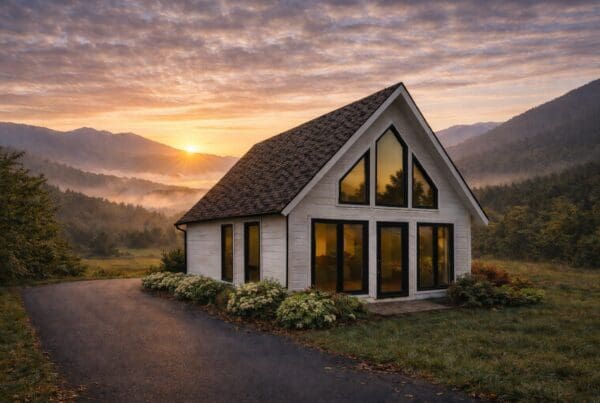
Furthermore, the insulation properties of SIPs allow for larger windows and other design features that may otherwise compromise energy efficiency. Homeowners can create an abundance of natural light while still maintaining comfort inside their homes. The versatility of SIP designs not only appeals to individual tastes but also integrates well with various architectural styles, from contemporary to traditional.
Environmental Impact of SIPs in Home Building
Choosing SIP construction significantly impacts the environment by promoting sustainable building practices. SIPs are often made from renewable materials, and their efficient insulation properties lead to a reduction in energy use over the lifespan of the building. Consequently, this contributes to a smaller carbon footprint, helping to address the pressing issue of climate change.