```
The Benefits of Auxiliary Dwelling Units (ADUs)
Auxiliary dwelling units (ADUs) offer numerous advantages for homeowners and communities alike. They provide additional living space without the need for extensive land development, making them a sustainable option for urban areas facing housing shortages. Moreover, ADUs can enhance property value, serving as an attractive feature for prospective buyers looking for multi-generational living arrangements or rental income opportunities.
Beyond financial benefits, ADUs promote community cohesion by allowing families to live closer together or enabling friends to share living spaces. They contribute to affordable housing solutions, offering low-cost rental alternatives for students, young professionals, or those experiencing housing insecurity. As cities continue to evolve and face demographic shifts, ADUs represent a flexible and practical approach to addressing these critical housing challenges.
Design Considerations for ADUs
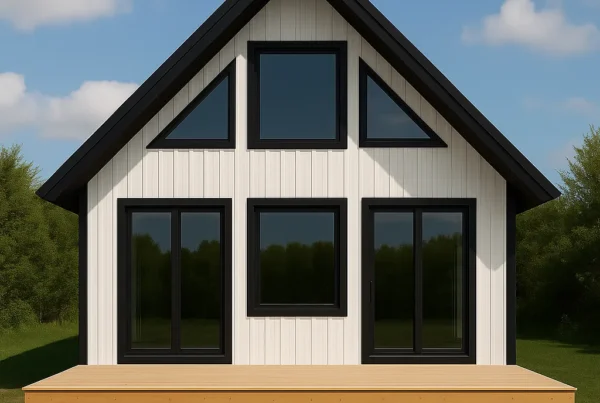
When designing auxiliary dwelling units, several factors come into play that can significantly impact their functionality and aesthetics. Layout is particularly crucial, as efficient use of space is necessary to create a comfortable living environment. Homeowners should also consider the architectural style of the main property to ensure the ADU complements the existing design, avoiding any stark contrasts that may detract from the neighborhood's character.
Additionally, sustainability features can enhance the appeal of ADUs. Incorporating energy-efficient appliances, high-quality insulation, and sustainable materials not only reduces environmental impact but can also lead to long-term cost savings for occupants. As interest in sustainable living grows, homeowners may find that these features align with broader market trends, making their ADUs even more desirable.
Regulations and Zoning for ADUs
Understanding the regulations and zoning requirements for auxiliary dwelling units is essential for homeowners and developers. Local governments often have specific guidelines regarding the size, height, and placement of ADUs that must be adhered to in order to obtain the necessary permits. Familiarizing oneself with these local regulations can streamline the approval process and ensure compliance with community standards.
Moreover, some cities may incentivize ADU construction through tax breaks or easing permit processes in response to housing shortages. Developers and potential homeowners should keep an eye on evolving legislation, as many municipalities are continuously revising their policies to encourage the development of ADUs. Staying informed about these changes can provide everyone involved with greater opportunities for successful projects.