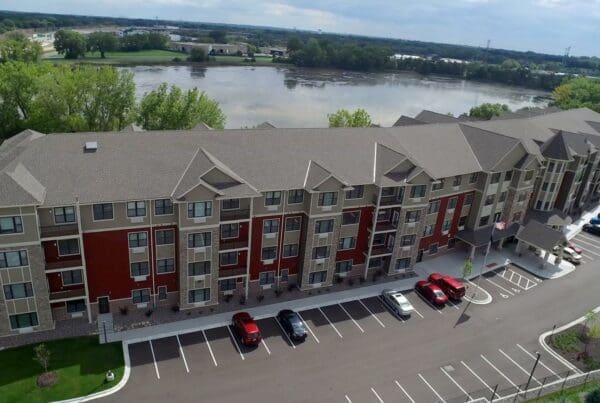
Understanding the Importance of Workforce Housing
Workforce housing plays a critical role in supporting local economies and ensuring that essential workers can afford to live in the communities they serve. With rising housing costs in many urban areas, workforce housing offers a viable solution to bridge the gap between income levels and housing affordability. By providing affordable living options, we can retain skilled employees in various industries, from healthcare to education, ultimately enhancing community stability and prosperity.
Moreover, the lack of adequate workforce housing can lead to increased commuting times, which negatively affects both the workers and their employers. When employees struggle to find affordable homes close to work, companies experience higher turnover rates and diminished productivity. Hence, addressing the workforce housing shortage is not merely a social issue; it’s an economic imperative that benefits everyone involved.
Innovative Design Solutions for Workforce Housing
Innovative design solutions are key to developing effective workforce housing projects that prioritize both functionality and livability. By leveraging modern construction techniques and sustainable materials, developers can create homes that meet the needs of residents while being cost-effective to build. Innovative designs can also incorporate elements that foster community engagement, such as shared spaces or communal gardens, enhancing the social fabric of neighborhoods.
Furthermore, such designs can be adaptable to various demographic needs, ensuring that workforce housing is accessible to a diverse population. This adaptability can be achieved through modular construction methods that allow for easy expansion or reconfiguration of living spaces. As communities evolve, these innovative approaches to housing development can better serve the ongoing needs of the workforce, ensuring that homes remain relevant and livable for years to come.