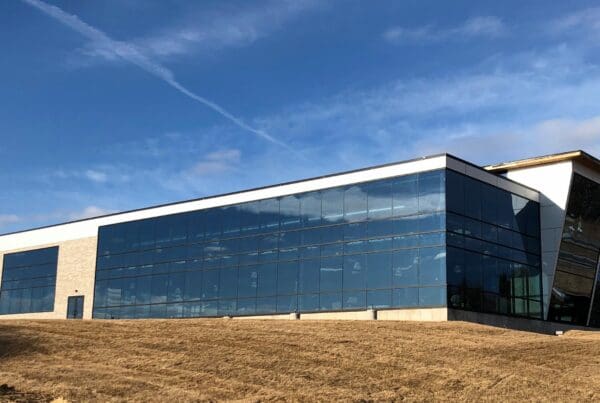
large tract home, Big Twig Homes material packages, framing material packages, panelized framing, sip panels framing packages, log homes, log home kits, log cabin kits, sips, building tract homes, luxury homes, luxury home packages
```
Understanding SIP Panels
SIP panels, or Structural Insulated Panels, are innovative building materials renowned for their superior insulation properties and energy efficiency. Comprised of a layer of foam insulation sandwiched between two structural facings, these panels create a strong, lightweight alternative to traditional building methods. This construction technique not only reduces the thermal bridging often seen in conventional framing, but it also leads to substantial energy savings over the lifespan of the building.
The adoption of SIP panels in home construction is rapidly increasing due to their high performance and environmental benefits. By minimizing the amount of lumber used, SIPs contribute to sustainable building practices and help decrease waste. Furthermore, the rapid installation of SIPs can significantly shorten construction timelines, making them an attractive option for builders and homeowners alike.
Advantages of Using SIP Panels
One of the most significant advantages of SIP panels is their energy efficiency. Homes built with SIPs can achieve superior energy performance ratings, leading to lower heating and cooling costs. This is particularly beneficial in regions with extreme weather conditions, as the insulation properties of SIPs can help maintain comfortable indoor temperatures year-round.
Another advantage of SIP panels is their structural integrity and durability. They are designed to withstand a variety of environmental stresses, from wind to seismic activity. This resilience not only enhances the safety of a structure but also supports long-term sustainability, as SIPs typically require less maintenance over time compared to traditional building materials.
Application of SIP Panels in Home Construction
SIP panels are versatile and can be used in various stages of home construction, including walls, roofs, and floors. This adaptability makes them a popular choice for diverse architectural designs, allowing builders to create everything from simple homes to complex custom designs. Additionally, the integration of SIP panels can simplify the construction process, resulting in fewer trades needed on site.