
Benefits of Using SIP Panels in Construction
SIP panels offer numerous advantages over traditional construction methods. Firstly, they provide excellent insulation properties, which lead to significant energy savings for homeowners. This energy efficiency not only lowers utility bills but also contributes to a reduced carbon footprint, making SIPs an environmentally friendly choice for modern construction.
Additionally, SIP panels are known for their ease of installation, which can dramatically decrease construction time. With fewer materials and simplified building processes, contractors can complete projects faster, which is increasingly important in today’s fast-paced construction environment. Furthermore, the structural strength of SIP panels enhances durability, offering long-lasting solutions for housing needs.
Innovative Applications of SIP Panels
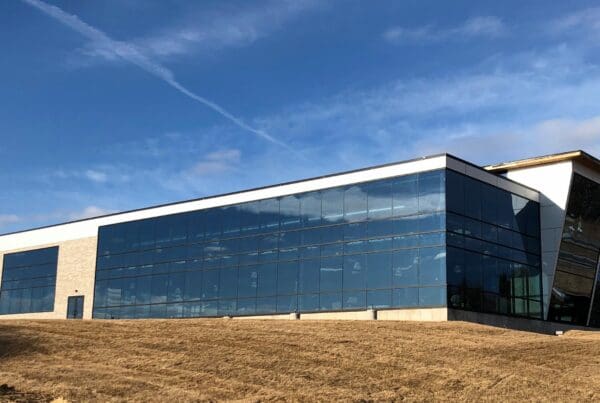
The versatility of SIP panels extends far beyond residential buildings. They can be employed in commercial structures, schools, and even recreational facilities, making them a popular choice among architects and builders. The adaptability of SIP technology allows for a variety of designs, from simple boxy shapes to more complex structures, accommodating diverse client needs.
Furthermore, SIP panels can be seamlessly integrated with renewable energy systems, such as solar panels, which elevates their sustainability. Buildings constructed with SIP technology can easily support energy-efficient designs, leading to the possibility of net-zero energy buildings. This innovative application showcases how adopting SIP panels can align with advancing environmental goals in the construction industry.
The Future of the Construction Industry
As the construction landscape evolves, the integration of technology and sustainable practices becomes increasingly vital. The advancements in SIP panels highlight a shift toward more efficient building materials that not only meet the demands of modern construction but also prioritize environmental impact. Future trends suggest a stronger emphasis on eco-friendly solutions, which aligns with consumer preferences for sustainable living options.
Moreover, the construction industry is expected to adopt further innovative technologies, such as 3D printing and modular building techniques, alongside SIP panels. These methods promise to enhance efficiency and reduce waste, ultimately facilitating the transition to smarter, more sustainable cities. In this context, SIP panels represent a significant stepping stone towards a greener and more efficient construction future.
