Choosing the Perfect Type of Home
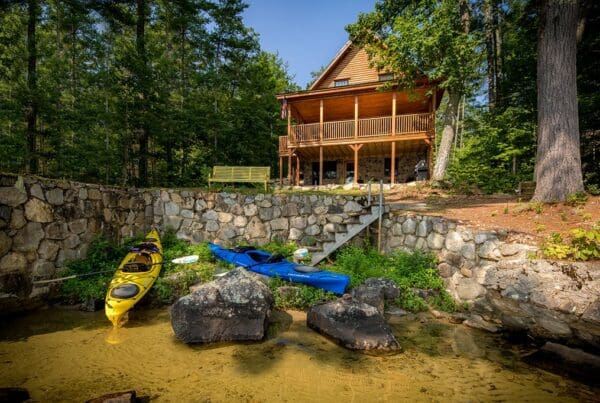
When it comes to selecting the ideal home, various types exist to cater to different lifestyles and preferences. From traditional log cabins to modern eco-friendly homes, making an informed choice is critical for achieving long-term satisfaction. Factors such as location, budget, and personal taste play a significant role in determining which type of home will best meet your needs.
Additionally, each type of home presents unique advantages and challenges. For instance, log homes offer a rustic charm and excellent insulation, while contemporary designs often incorporate cutting-edge technology and sustainability features. By weighing the pros and cons of each option carefully, potential homeowners can ensure they select a property that aligns with both their aesthetic desires and functional requirements.
Green Building: Planning to Build a New Home
Green building is more than just a trend; it's a commitment to sustainable living that resonates with many modern homeowners. Planning a new home with eco-friendly materials and energy-efficient designs not only lowers environmental impact but can also reduce long-term costs associated with utilities and maintenance. Homebuyers are increasingly realizing that investing in green construction methods provides both immediate and ongoing savings.
Moreover, with advancements in technology, homeowners now have access to innovative solutions that enhance efficiency and sustainability. From solar panels and green roofs to water-efficient appliances, builders are equipped to create homes that consume less energy and water. As you embark on your journey toward a new home, considering these green building strategies will empower you to make choices that benefit both your family and the planet.
The Benefits of SIPs in Construction
Structural Insulated Panels (SIPs) offer a compelling solution for modern construction, providing numerous advantages over traditional building methods. SIPs are known for their superior insulation properties, resulting in energy-efficient homes that can significantly lower heating and cooling costs. Additionally, the speed of installation reduces labor costs and overall construction time, allowing homeowners to enjoy their new space sooner.
Incorporating SIPs into the building process also enhances structural integrity, as these panels are designed to withstand severe weather conditions. This durability makes them an excellent choice for regions prone to heavy storms or fluctuating temperatures. As the demand for sustainable and resilient housing continues to rise, embracing SIP technology can aid builders and homeowners alike in creating lasting environments that align with contemporary expectations.