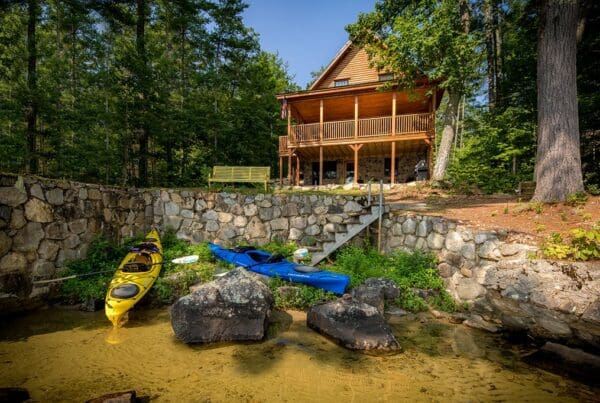
Your log home should reflect your lifestyle and serve as a comfortable living space for family and friends. Incorporating open-concept layouts can create a sense of spaciousness while promoting natural light and ventilation. Using strategically placed windows also enhances the ambiance, making each room inviting and warm, which is particularly important in log homes where wood elements dominate.
Additionally, consider the integration of outdoor living spaces into your design. These areas can blend seamlessly with your indoor spaces, promoting a natural flow and enhancing your connection with nature. Whether it’s a sprawling deck or a cozy patio, these extensions can become the perfect spots for relaxation or entertaining, making your log home not just a house, but a serene retreat.
The location of your log home is as crucial as the design itself. Factors such as accessibility, local climate, and proximity to amenities play a significant role in ensuring your home is both comfortable and convenient. Additionally, consider the views and natural surroundings, as a well-chosen lot can enhance the enjoyment of your log home for years to come.
Moreover, choosing a site that harmonizes with the landscape can allow for maximal outdoor enjoyment and privacy. For many, being nestled among trees or alongside a serene body of water is part of the dream. Ensure the land you select not only fits your aesthetic preferences but also aligns with local regulations and sustainable practices for building in the area.
Energy efficiency is a significant consideration when building a log home. Utilizing high-quality insulation materials, such as those made from natural cellulose or high-performance foam, can help maintain comfortable indoor temperatures and reduce energy costs. Other strategies, like installing energy-efficient windows and optimizing the home’s orientation, can further enhance this efficiency.
In addition to traditional methods, modern technologies like solar panels or geothermal heating systems can be integrated into the design of your log home. These options not only reduce your carbon footprint but can also lead to long-term savings on utility bills. By prioritizing energy efficiency, you ensure that your log home is not only beautiful and functional but also environmentally responsible.
Building a log home is a fulfilling endeavor, but it requires careful planning and consideration at each stage. From selecting the right logs to developing the design, each step involves key decisions that will impact the final result. It's essential to have a clear vision and collaborate with experienced builders who understand the unique challenges presented by log construction.
During the construction process, you’ll encounter various aspects, including site preparation, foundation work, and the actual log assembly. Engaging with a builder who can guide you through these stages will help streamline the process and ensure you achieve the desired outcome. Remember, a well-structured plan will lead to a smoother experience and ultimately a beautiful log home that you'll cherish for years.
Maintaining your log home is crucial to preserving its beauty and structural integrity over time. Regular inspections for issues such as rot, pest infestation, or moisture damage can help you catch problems early and avoid costly repairs. Additionally, periodic treatments with protective sealants can shield the wood from the elements and enhance its longevity.
Taking care of your log home also means investing time in the care of surrounding landscapes. Proper landscaping not only increases curb appeal but can also protect the foundation and drainage of your home from potential damage caused by water pooling. By adopting a proactive approach to both your home and its environment, you can ensure your sanctuary remains welcoming and functional for generations to come.