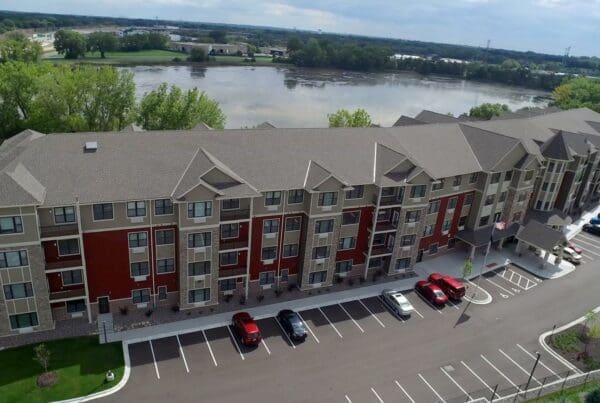
Understanding the Importance of Affordable Workforce Housing
Affordable workforce housing is crucial for maintaining a balanced economy and vibrant communities. As urban areas continue to grow, the demand for affordable living options increases, particularly for essential workers who contribute significantly to local economies. Ensuring that these individuals have access to quality housing not only supports their well-being but also enhances community stability and cohesion.
Moreover, when housing is affordable, it allows workers to allocate more of their income toward local goods and services. This economic mobility can lead to increased spending in the community, benefiting local businesses and creating jobs. Ultimately, affordable workforce housing serves as the backbone of thriving communities, enabling all residents to participate fully in civic life and local economic activities.
Benefits of Panelized Home Construction
Panelized home construction offers several advantages over traditional building methods, particularly in terms of efficiency and cost-effectiveness. This approach utilizes pre-fabricated panels that are manufactured off-site and assembled quickly on location, reducing construction time significantly. This not only helps streamline the building process but also minimizes labor costs, making homes more affordable for buyers.
Additionally, panelized construction typically results in homes that are better insulated and energy-efficient. The precision of manufacturing ensures tighter building envelopes, which can lead to lower heating and cooling costs for homeowners. Therefore, the long-term savings on utility bills can greatly enhance the affordability of owning a home constructed using panelized methods, making it an appealing option for many families looking for sustainable housing solutions.
Exploring Financial Incentives for Workforce Housing Projects
Various financial incentives are available to encourage the development of workforce housing solutions. Governments at different levels often provide grants, low-interest loans, and tax credits to developers who aim to build affordable housing. These incentives can significantly reduce the upfront costs associated with construction, making it feasible for builders to offer lower-priced options to market.
In addition to direct financial support, private financing and partnerships with nonprofits can further stimulate workforce housing projects. Collaborations between public and private sectors often lead to innovative funding models that can expand capacity and reach. By leveraging these resources, communities can address housing shortages effectively while promoting economic growth and stability in the workforce.